
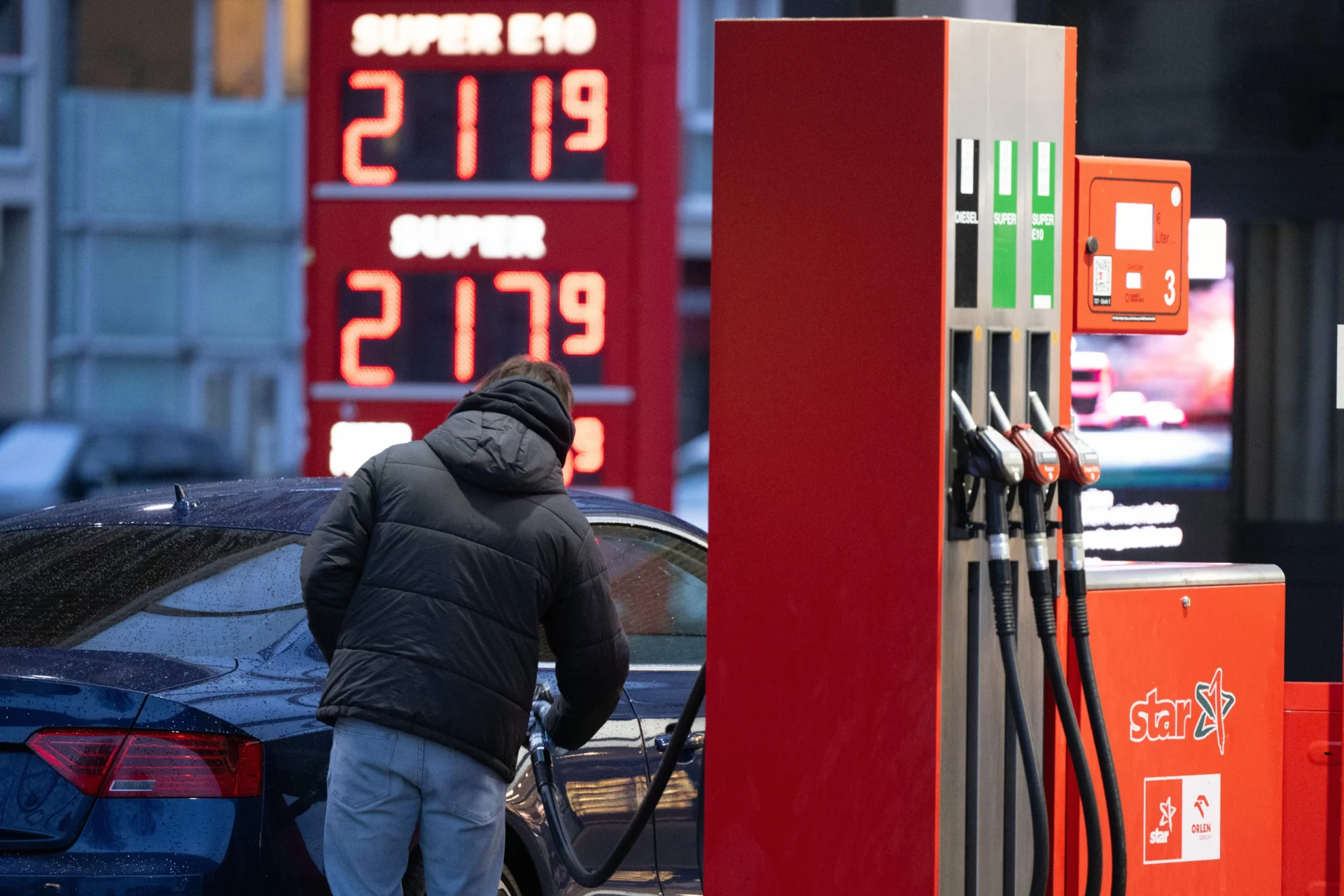
The Middle East has been a region of great turmoil and conflict for decades, and unfortunately, the recent events have only added to the chaos. The ongoing conflict in the region has not only caused immense suffering for the people living there but has also had a significant impact on the global economy. One of the most significant consequences of this conflict is the sharp increase in Brent crude oil prices, which have risen by more than 50 percent since the start of March.
The Middle East is home to some of the world’s largest oil-producing countries, including Saudi Arabia, Iraq, and Iran. These countries are responsible for producing a significant portion of the world’s oil supply, and any disruption in their production can have a ripple effect on the global oil market. Unfortunately, the ongoing conflict in the region has led to a disruption in the production and supply of oil, which has resulted in a sharp increase in prices.
The conflict in the Middle East has been going on for years, but the recent escalation has had a more significant impact on the oil market. The tensions between the United States and Iran have been at an all-time high, with both countries engaging in military strikes and retaliations. This has led to a fear of a potential disruption in the oil supply from the region, causing a surge in oil prices.
Moreover, the ongoing civil war in Syria and the conflict between Saudi Arabia and Yemen have also contributed to the rise in oil prices. The instability in these countries has led to a decrease in oil production, further exacerbating the situation. As a result, the Brent crude oil prices have reached their highest level since 2019, with experts predicting that they may continue to rise in the coming months.
The increase in oil prices has had a significant impact on the global economy, with many countries feeling the pinch. The rise in oil prices has led to an increase in transportation costs, which has affected the prices of goods and services. This, in turn, has led to inflation, making it more challenging for people to afford basic necessities. Moreover, the increase in oil prices has also affected the stock market, with many investors feeling uncertain about the future.
However, amidst all the chaos and uncertainty, there is a glimmer of hope. The recent peace talks between the United States and Iran have raised hopes of a potential resolution to the conflict. If these talks are successful, it could lead to a decrease in tensions and a stabilization of the oil market. This, in turn, could lead to a decrease in oil prices, providing much-needed relief to the global economy.
Furthermore, the rise in oil prices has also led to an increase in investment in renewable energy sources. With the world becoming more aware of the impact of fossil fuels on the environment, many countries are now looking towards alternative sources of energy. This shift towards renewable energy could lead to a decrease in the demand for oil, which could help stabilize the market in the long run.
In conclusion, the conflict in the Middle East has had a significant impact on the global economy, with the rise in Brent crude oil prices being one of its most significant consequences. However, amidst all the chaos, there is hope for a resolution to the conflict, which could lead to a stabilization of the oil market. Moreover, the increase in oil prices has also led to a shift towards renewable energy, which could have a positive impact on the environment. Let us hope for a peaceful resolution to the conflict and a brighter future for the region and the world.
