
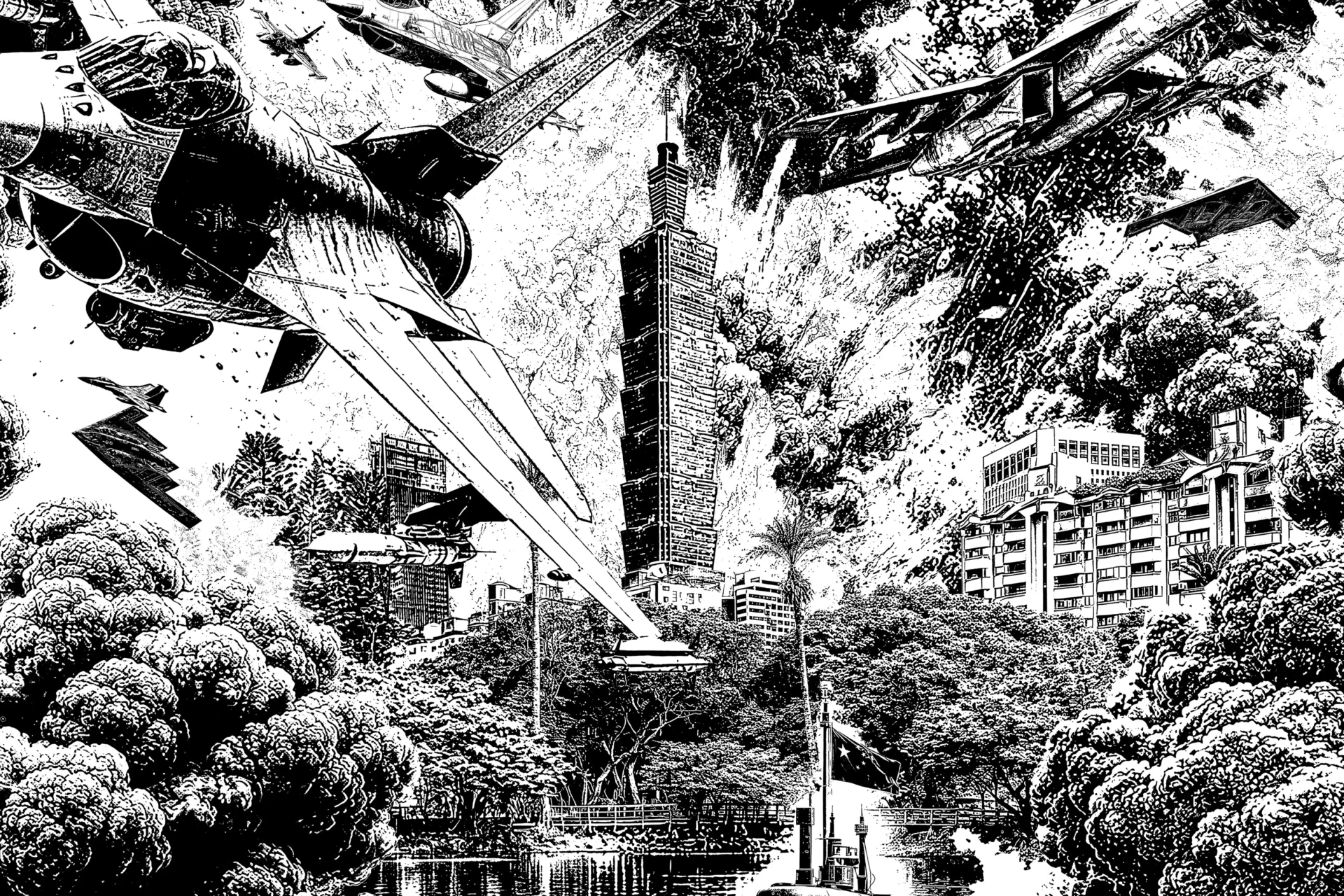
Washington’s Iran Offensive Challenges Assumptions on Taiwan Crisis
The recent escalation of tensions between the United States and Iran has sent shockwaves across the international community. As the two nations engage in a war of words and military actions, the world is left wondering what the future holds. However, amidst all the chaos, one thing has become clear – Washington’s aggressive stance towards Iran has challenged long-held assumptions about how a potential crisis in Taiwan would unfold.
For decades, experts have predicted that a crisis in Taiwan would unfold slowly, giving the international community ample time to intervene and prevent a full-blown conflict. However, with the recent events in the Middle East, it has become evident that this assumption may not hold true. The United States’ swift and decisive actions against Iran have shown that they are not afraid to take bold and aggressive steps to protect their interests.
This shift in Washington’s approach has raised concerns among many about how they would respond in the event of a crisis in Taiwan. Would they take a similar aggressive stance and risk a potential conflict with China? Or would they opt for a more cautious approach, as they have done in the past?
The answer to these questions is not clear, but what is certain is that the assumptions about a slow and controlled response from the US may no longer be valid. The recent events have shown that Washington is willing to take bold and decisive actions, even if it means risking a potential conflict.
Moreover, the US offensive against Iran has also challenged the belief that they would not go beyond economic and diplomatic measures to address a crisis in Taiwan. For years, it has been assumed that the US would not risk a military confrontation with China, especially over a small island like Taiwan. However, the recent events have shown that Washington is not afraid to use military force to protect their interests and allies.
This change in approach has sent a strong message to China and the rest of the world – the US is willing to take all necessary measures to protect its interests and allies, regardless of the potential consequences. This has also raised concerns about the potential impact on the already fragile relationship between the US and China.
Furthermore, the US offensive against Iran has also challenged the belief that a Taiwan crisis would stop short of the mainland. It has been assumed that in the event of a crisis, the US would focus on protecting Taiwan and would not engage in any actions that could escalate the situation further. However, the recent events have shown that Washington is not afraid to take bold and aggressive steps, even if it means risking a potential conflict with China.
This has raised concerns about the potential consequences of a conflict between the US and China, not just for the two nations but for the entire world. It is a reminder that in today’s interconnected world, any conflict between major powers can have far-reaching consequences.
In conclusion, the recent events in the Middle East have challenged long-held assumptions about how a potential crisis in Taiwan would unfold. Washington’s aggressive stance towards Iran has shown that they are willing to take bold and decisive actions, even if it means risking a potential conflict. This has raised concerns about the potential consequences of a crisis in Taiwan and the impact it could have on the already fragile relationship between the US and China. It is a reminder that in today’s world, we must be prepared for the unexpected and be ready to adapt to changing circumstances.
