
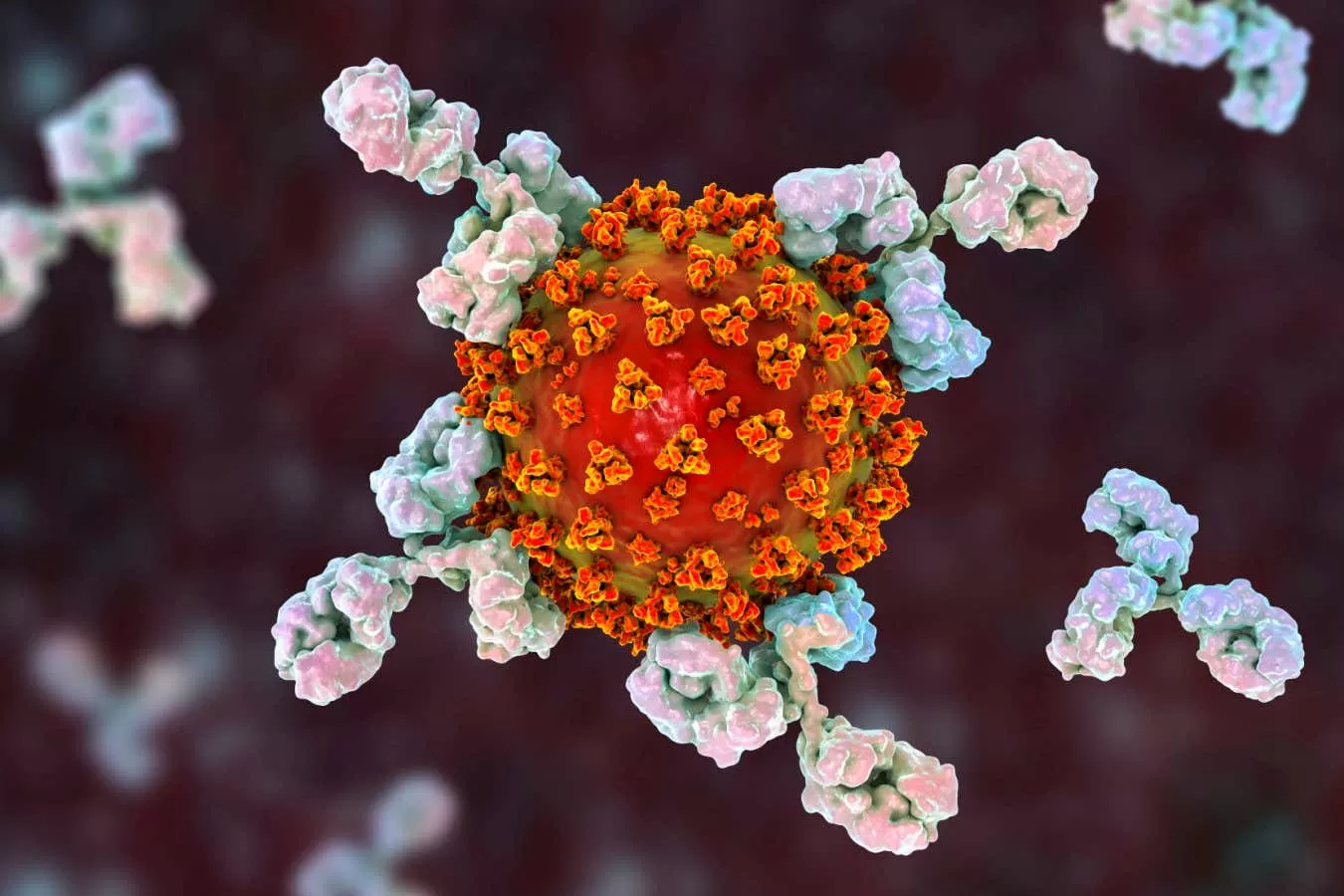
The COVID-19 pandemic has been an ongoing battle for over a year now, with millions of people around the world being affected by the virus. While most people experience mild or no symptoms, there are some who continue to suffer from the effects of the virus long after they have recovered. This condition, known as long COVID, has been a mystery to scientists and medical professionals, with no clear understanding of its causes or how to treat it. However, recent discoveries have shed light on a potential underlying cause of long COVID – the immune system going rogue and attacking healthy tissue.
The immune system is our body’s defense mechanism against foreign invaders, such as viruses and bacteria. It is a complex network of cells, tissues, and organs that work together to protect us from illness and infection. When the body is exposed to a virus, the immune system produces antibodies to fight it off. In most cases, the immune system does its job effectively, and we are able to recover from the illness. However, in some cases, the immune system can become overactive, leading to an autoimmune response where it starts attacking healthy cells and tissues in the body.
Recent studies have shown that this may be the case with long COVID. Researchers have found that in some patients, the immune system continues to produce antibodies long after the initial infection has cleared. These antibodies then start attacking healthy tissues, causing a range of symptoms that can persist for months. This explains why some people continue to experience symptoms such as fatigue, brain fog, and shortness of breath, even after testing negative for the virus.
This discovery has opened doors towards potential treatments for long COVID. By understanding that the immune system is the culprit behind the condition, researchers can now focus on finding ways to regulate and control its response. This could involve developing medications that target specific immune cells or using existing drugs that are used to treat autoimmune diseases. With the immune system being the root cause, it is hopeful that these treatments could provide relief for long COVID patients.
Furthermore, this discovery also highlights the importance of understanding the long-term effects of COVID-19 on the body. While the focus has been on preventing and treating the acute symptoms of the virus, the long-term effects have not received as much attention. The fact that the immune system can continue to cause harm even after the virus is no longer present is a crucial finding that could have implications for future pandemics as well.
The immune system is a complex and delicate system, and its response can vary from person to person. This could explain why some people experience long COVID while others do not. However, this discovery has given hope to those who have been suffering from the condition for months, with no relief in sight. With a better understanding of the underlying cause, researchers can now work towards developing effective treatments that could improve the quality of life for long COVID patients.
Moreover, this discovery also highlights the need for continued research and study of the virus and its effects. As the pandemic continues to evolve, it is essential to gather as much information as possible to better understand the virus and its impact on the body. This could not only help in finding treatments for long COVID but also in preventing and managing future pandemics.
In conclusion, the discovery that the immune system going rogue and attacking healthy tissue is behind some cases of long COVID is a significant breakthrough in our understanding of the condition. It has opened doors towards potential treatments and highlighted the importance of studying the long-term effects of the virus on the body. With continued research and collaboration, we can hope to find effective solutions for long COVID and better prepare ourselves for any future health crises.
