
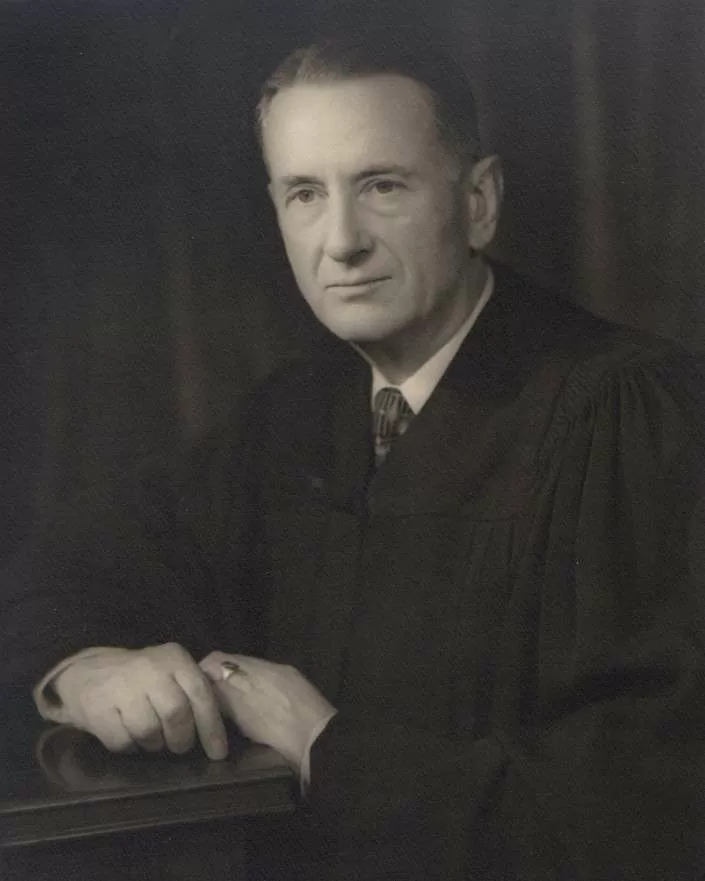
On March 31, 1962, the United States Supreme Court experienced a significant change as Justice Charles Whittaker announced his resignation from the bench. This decision marked the end of an era for the Court and left many wondering about the future of the highest judicial body in the country.
Justice Whittaker had been appointed to the Supreme Court by President Dwight D. Eisenhower in 1957. He brought with him a wealth of experience and a strong commitment to upholding the Constitution. During his tenure, he played a crucial role in shaping the Court’s decisions and was known for his thoughtful and fair approach to the law.
However, after serving for only five years, Justice Whittaker made the difficult decision to step down from his position. The reasons for his resignation were not immediately clear, but it was later revealed that he had been struggling with health issues and felt that he could no longer fulfill his duties effectively.
While his departure was unexpected, it was met with great respect and admiration from his colleagues and the public. Chief Justice Earl Warren praised Justice Whittaker as a “conscientious and dedicated jurist” and noted his contributions to the Court’s work. President John F. Kennedy also expressed his appreciation for Justice Whittaker’s service and wished him well in his future endeavors.
Justice Whittaker’s resignation left a vacant seat on the Supreme Court, and President Kennedy moved quickly to fill it. Just a few weeks later, he nominated Byron White to the position, and White was confirmed by the Senate in April of 1962. White would go on to serve on the Court for over 30 years and leave a lasting impact on American jurisprudence.
Looking back on Justice Whittaker’s resignation, it is clear that it marked a turning point for the Supreme Court. His departure signaled the end of an era and the beginning of a new one. It also highlighted the importance of having a strong and healthy judiciary to ensure the proper functioning of our government.
Despite the challenges he faced, Justice Whittaker’s legacy lives on through his contributions to the Court and his dedication to justice. His resignation may have been a loss for the Court, but it also served as a reminder of the importance of self-care and the need for a balance between personal well-being and professional responsibilities.
In the years since Justice Whittaker’s resignation, the Supreme Court has continued to evolve and adapt to the changing times. It has faced numerous challenges, but it has also remained a beacon of hope and a symbol of justice for all Americans.
Today, as we reflect on this significant moment in Supreme Court history, let us remember Justice Charles Whittaker and his commitment to upholding the rule of law. Let us also look towards the future with optimism and continue to strive for a fair and just society for all.
