
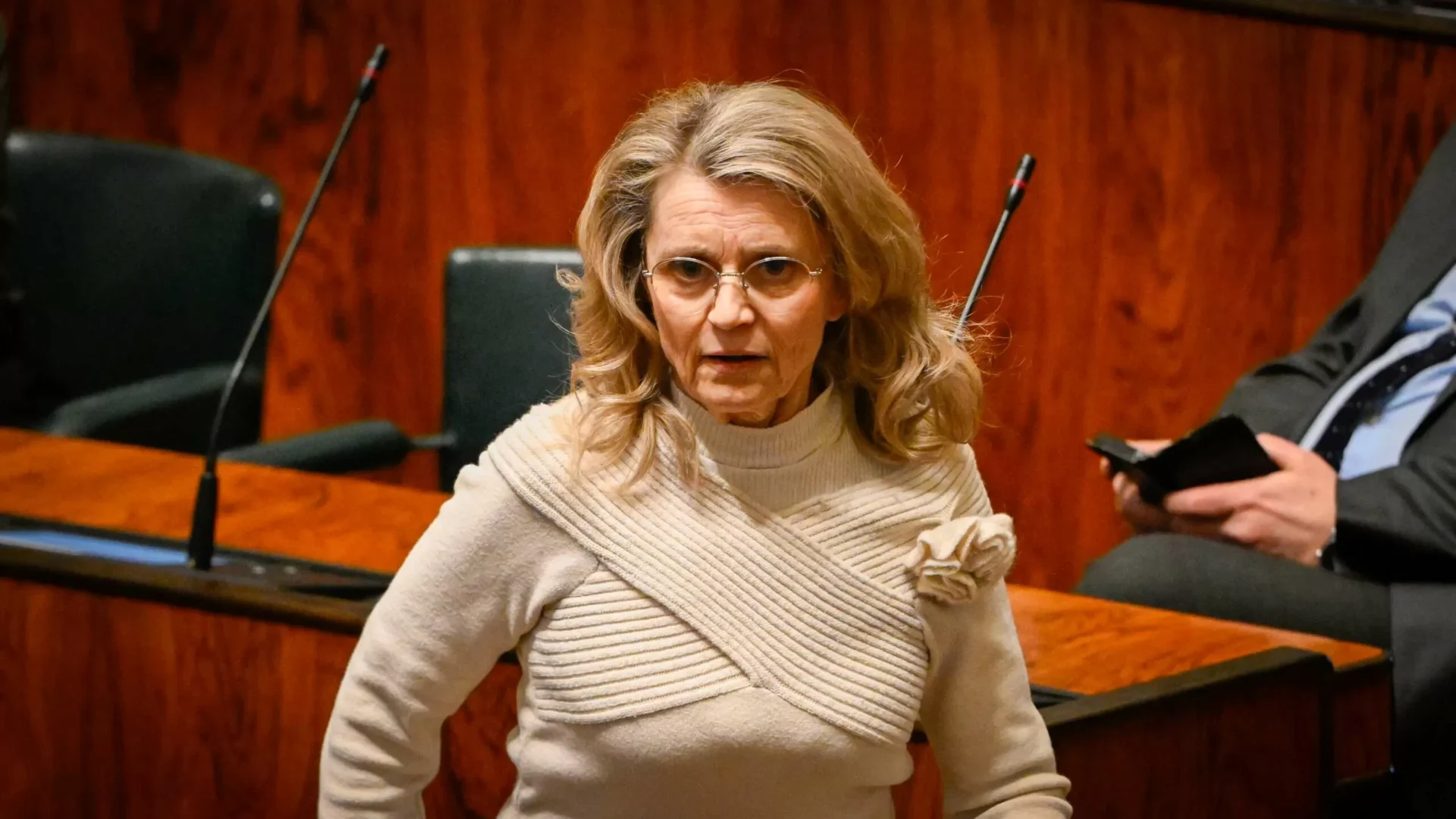
Päivi Räsänen, a member of the Finnish Parliament, has recently made headlines after being found guilty by Finland’s Supreme Court of inciting hatred. The controversial case has sparked debates about freedom of speech and the limits of political expression in modern society.
Räsänen, a former Minister of the Interior and a current member of the Christian Democratic Party, has been a vocal advocate for traditional Christian values and has often expressed her conservative views on issues such as same-sex marriage and abortion. In 2019, she shared a pamphlet on social media that included Bible verses and her personal views on homosexuality, which sparked outrage and led to multiple complaints being filed against her.
After a lengthy legal battle, the Supreme Court ruled that Räsänen’s comments were discriminatory and violated Finland’s hate speech laws. The court stated that her statements were not protected by freedom of religion or speech, as they were deemed to be inciting hatred towards a specific group of people.
This decision has been met with both support and criticism. Some argue that Räsänen’s comments were simply expressing her religious beliefs and should be protected under freedom of speech. Others believe that her words were harmful and could incite violence against the LGBTQ+ community.
However, regardless of one’s personal views on the matter, it is important to understand the context in which Räsänen’s comments were made. Finland is known for its progressive values and has been a leader in LGBTQ+ rights, legalizing same-sex marriage in 2017. In this context, Räsänen’s views are seen as outdated and out of touch with the majority of the population.
Furthermore, Räsänen’s comments were not made in a vacuum. In recent years, there has been a rise in hate crimes and discrimination against the LGBTQ+ community in Finland. The Supreme Court’s decision sends a strong message that such behavior will not be tolerated and that everyone, regardless of their position or beliefs, is accountable for their words and actions.
It is also worth noting that Räsänen’s case is not the first of its kind in Finland. In 2018, a member of the Finnish Parliament was convicted of hate speech for making derogatory comments about Muslims. This shows that the country takes hate speech seriously and is committed to protecting marginalized communities from discrimination and harm.
Some may argue that this ruling sets a dangerous precedent and limits freedom of speech. However, it is important to remember that freedom of speech is not absolute and comes with responsibilities. Hate speech, which incites violence and discrimination, is not protected under this right and should not be tolerated in any society.
In the aftermath of the Supreme Court’s decision, Räsänen has stated that she will continue to defend her beliefs and fight for freedom of speech. While it is important to have open and respectful discussions about differing opinions, it is crucial to do so without inciting hatred or discrimination towards any group of people.
In conclusion, Päivi Räsänen’s case has sparked important conversations about the limits of freedom of speech and the responsibility of public figures in promoting tolerance and respect. While her conviction may be seen as controversial by some, it sends a strong message that hate speech will not be tolerated in Finland. As a society, we must continue to strive towards inclusivity and acceptance, and reject any form of discrimination or hatred.
