
Increasing income taxes has long been a controversial topic in economic policy discussions. While it is often seen as a way to generate more revenue for the government, the reality is that it can have detrimental effects on both individuals and the economy as a whole. In fact, history has shown that increasing income taxes almost always results in less revenue and less economic activity.
One of the main arguments for increasing income taxes is that it will bring in more revenue for the government. However, this is not always the case. When taxes are increased, individuals and businesses often find ways to avoid paying them. This can be through tax shelters, loopholes, or simply reducing their income or production. As a result, the government ends up with less revenue than expected. Additionally, higher taxes can also lead to a decrease in consumer spending, as people have less disposable income to spend on goods and services. This further reduces the amount of revenue generated through sales taxes.
Moreover, high income taxes discourage entrepreneurship and investment. Entrepreneurs and investors are the backbone of a thriving economy, creating jobs and driving innovation. However, when taxes are increased, the risk and cost of starting a business or investing in new ventures also increases. This can discourage potential entrepreneurs and investors from taking risks, ultimately leading to a slowdown in economic activity.
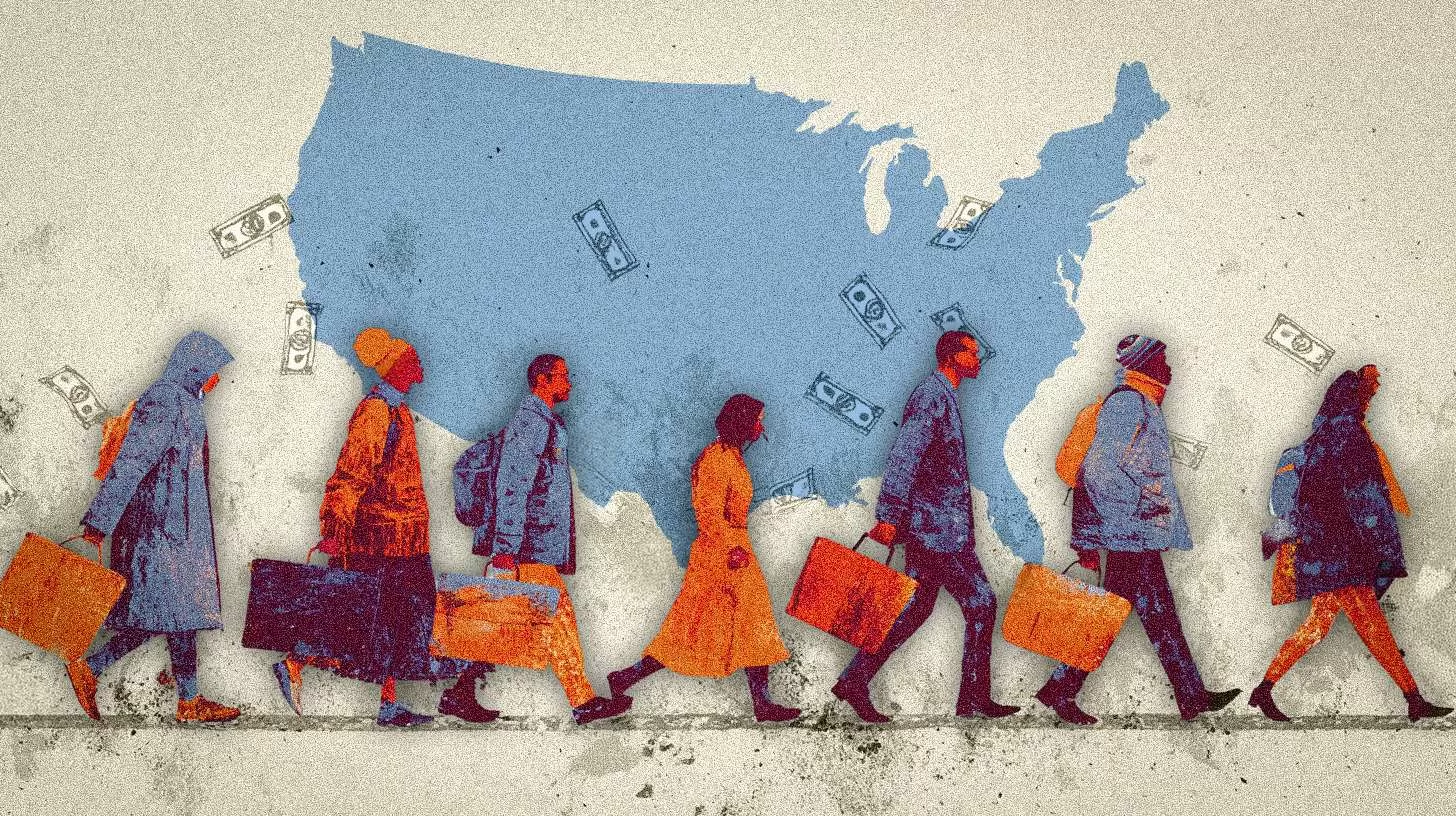
Another factor to consider is that high income taxes can lead to a brain drain. When taxes are too high, highly skilled and talented individuals may choose to move to countries with lower tax rates. This not only results in a loss of human capital for the country, but also a loss of potential tax revenue. Moreover, when businesses face high taxes, they may choose to relocate to countries with more favorable tax policies, resulting in a loss of jobs and economic activity.
In addition to these negative effects, increasing income taxes can also have a cascading effect on the economy. When businesses face higher taxes, they often pass on the cost to consumers in the form of higher prices. This can lead to inflation, making it more expensive for individuals to purchase goods and services. As a result, consumers have less disposable income, leading to a decrease in demand for products and services. This cycle of decreased demand and increased prices can have a significant impact on the overall economy.
Furthermore, high income taxes can also discourage individuals from working and earning more. When taxes are high, individuals may feel that the extra effort and time put into work is not worth the additional taxes they will have to pay. This can lead to a decrease in productivity and innovation, as individuals are not motivated to work harder or take on more challenging tasks. This ultimately leads to a decrease in economic activity and revenue.
It is also important to note that increasing income taxes can have a disproportionate effect on lower-income individuals. While the intention may be to generate more revenue from the wealthy, the reality is that the burden often falls on the middle and lower-income earners. This can create a sense of inequality and discourage individuals from striving for higher incomes.
In conclusion, increasing income taxes almost always results in less revenue and less economic activity. While it may seem like a quick solution to generate more revenue for the government, the long-term effects can be damaging to both individuals and the economy. Instead, policies should focus on promoting economic growth and creating a favorable environment for businesses and individuals to thrive. This can lead to a stronger economy and ultimately, more revenue for the government.
