
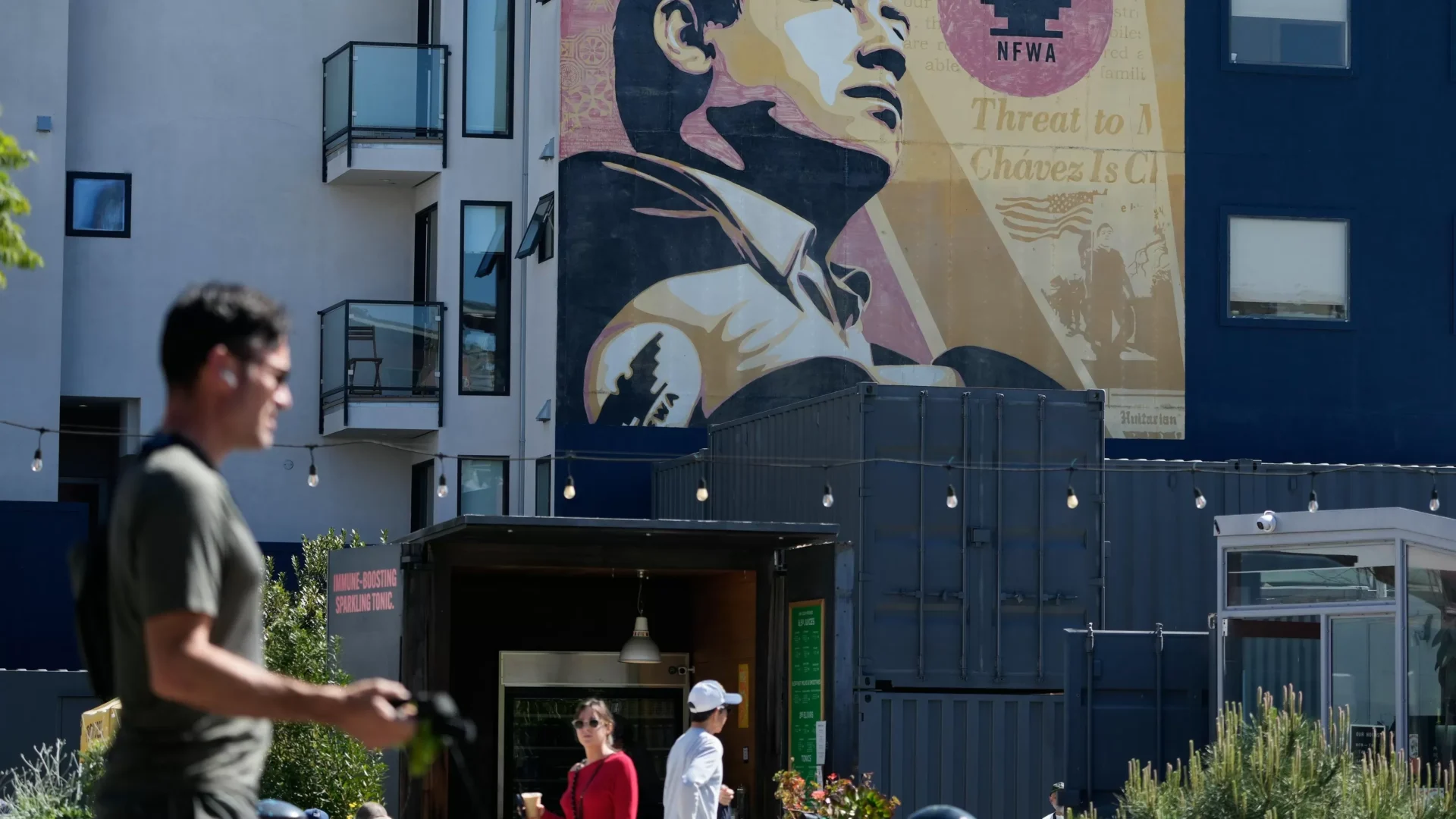
Allegations that César Chavez Sexually Abused Women and Girls are Reshaping How Many Communities Honor Him
César Chavez is widely known as a civil rights activist and labor leader who fought tirelessly for the rights of farm workers in the United States. His legacy has been celebrated and honored by many communities across the country, with schools, streets, and even a national holiday named after him. However, recent allegations of sexual abuse against Chavez have sparked a heated debate and are reshaping how many communities choose to honor him.
The allegations against Chavez first came to light in 2018 when his former aide, Paul Chavez, publicly acknowledged that his father had engaged in sexual relationships with several women. This admission was followed by a lawsuit filed by a former UFW organizer, who claimed that she was sexually assaulted by Chavez in the 1970s. Since then, more women have come forward with similar allegations, painting a disturbing picture of a man who was revered as a champion of justice and equality.
These allegations have caused a ripple effect in many communities that have long held Chavez in high regard. In California, where Chavez’s activism was centered, there have been calls to remove his name from schools and streets. In Arizona, where Chavez’s birthday is celebrated as a state holiday, there have been discussions about whether to continue honoring him in light of the allegations. And in Texas, where Chavez’s legacy is deeply intertwined with the Latino community, there is a growing divide on how to reconcile his contributions with the accusations against him.
The impact of these allegations is not limited to the United States. In Mexico, where Chavez’s parents were born, there has been a similar reevaluation of his legacy. The Mexican government has removed his name from a park and a street in Mexico City, and there have been calls to rename a school that was named after him. This has caused a stir among Mexican Americans, who see Chavez as a symbol of their heritage and are struggling to come to terms with the allegations against him.
The allegations against Chavez have also sparked a larger conversation about the #MeToo movement and the need to hold powerful men accountable for their actions. Many argue that Chavez’s legacy should not be erased, but rather, it should be reexamined in light of these allegations. They believe that it is important to acknowledge the harm he may have caused and to have an honest conversation about the complexities of his character.
On the other hand, there are those who vehemently defend Chavez and refuse to believe the allegations against him. They argue that these accusations are an attempt to tarnish his legacy and that he should be judged solely on his contributions to the labor movement. They also point out that Chavez is no longer alive to defend himself and that the allegations have not been proven in a court of law.
Regardless of where one stands on this issue, it is clear that the allegations against Chavez have sparked a reckoning in many communities. They have forced people to confront the uncomfortable truth that their heroes may not be perfect and that their legacies may be tainted by their actions. This is a difficult but necessary conversation to have, as it allows us to have a more nuanced understanding of history and the people who shape it.
In the midst of this controversy, it is important to remember that the fight for social justice and equality is ongoing. While Chavez’s contributions to the labor movement cannot be denied, it is also important to acknowledge the voices of the women who have come forward with their stories of abuse. Their experiences should not be dismissed or overshadowed by Chavez’s legacy.
Moving forward, it is crucial for communities to have open and honest discussions about how to honor Chavez’s legacy in light of these allegations. This may mean renaming schools and streets, or it may mean adding a more nuanced and balanced narrative to the way he is remembered. What is important is that we do not shy away from these difficult conversations and that we continue to strive for a more just and equal society.
In conclusion, the allegations of sexual abuse against César Chavez are reshaping how many communities honor him. While his contributions to the labor movement cannot be ignored, it is also important to acknowledge the harm he may have caused. This is a complex and sensitive issue, but it is one that must be addressed in order to have a more honest and complete understanding of history. Let us use this moment to have meaningful conversations and work towards a more just and equitable future.
