
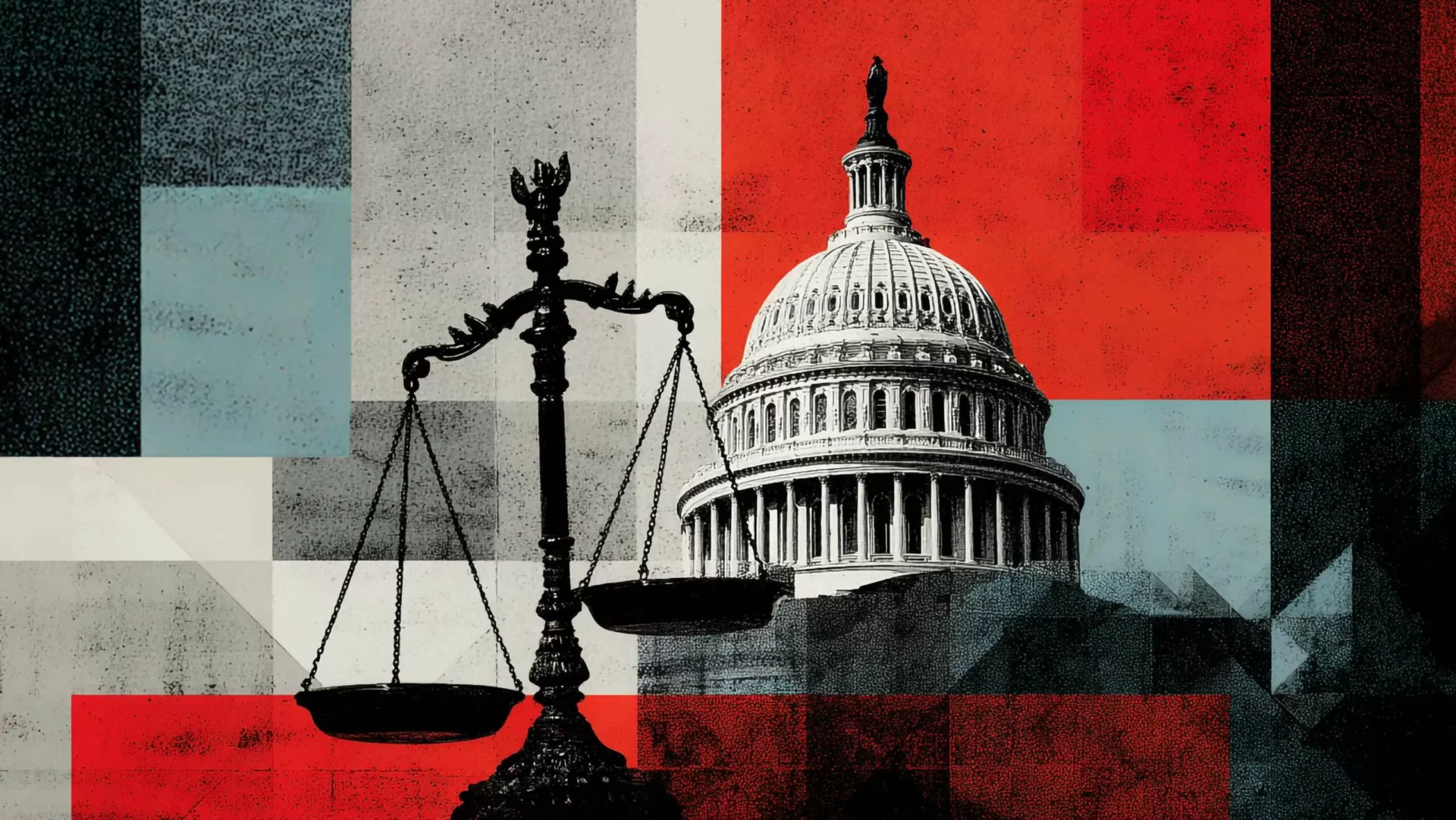
In today’s world, it is not uncommon for governments to intervene in various aspects of our lives. From policies and regulations to laws and enforcement, it seems that we rely on our governments to guide us and ensure the well-being of our societies. However, there is an ongoing debate about how much intervention is necessary or even beneficial. Some argue that governments should have a minimal role and let individuals and markets govern themselves, while others believe that government intervention is crucial for the betterment of society. In this context, it is important to consider the statement, ”Most matters enjoy too little moral agreement to make fertile ground for government intervention.” Is this statement true, and if so, what implications does it have for government intervention?
Firstly, it is essential to understand what is meant by ”moral agreement.” Moral agreement refers to a shared understanding and acceptance of certain moral values and principles within a society. These values and principles shape our beliefs, attitudes, and behavior, and help us determine what is right or wrong, just or unjust. They serve as a moral compass, guiding our decisions and actions.
Now, let us consider the statement in question. It suggests that there is a lack of moral agreement in most matters, making it difficult for governments to intervene effectively. This argument holds some truth. We live in diverse societies, where people have different beliefs, values, and cultures. As a result, there is often a lack of consensus on what is morally right or wrong. For instance, some may argue that euthanasia is morally acceptable, while others may see it as a violation of the sanctity of life. Similarly, debates around issues such as abortion, same-sex marriage, and assisted suicide are often fueled by conflicting moral beliefs. In such cases, it becomes challenging for governments to intervene decisively as they risk alienating or offending certain sections of society.
Moreover, moral agreement is not a static concept. It evolves over time and varies across different societies and cultures. What may be considered morally acceptable in one society may not be so in another. This further complicates the process of government intervention as they need to take into account the moral values of different groups within their society. For instance, many Western countries have legalized same-sex marriage, while it remains illegal in many other parts of the world. This shows how moral agreement, or the lack thereof, can influence government policies and intervention.
But does this mean that governments should refrain from intervening in matters that lack moral agreement? Not necessarily. While it is true that there is often a lack of moral consensus, there are also certain issues on which there is a general agreement. For instance, most societies agree that murder, theft, and other forms of violence are morally wrong and punishable by law. In such cases, government intervention is necessary to maintain law and order and protect the well-being of society. Similarly, matters concerning public health, education, and environmental protection also enjoy a high level of moral agreement and require government intervention for the greater good.
Furthermore, even in cases where there is a lack of moral agreement, governments can play a crucial role in facilitating discussions and finding common ground. They can create platforms for dialogue and engage with different groups to understand their perspectives and concerns. This can help bridge the gap between conflicting moral beliefs and lead to more effective and inclusive government intervention.
Another aspect to consider is the role of government in shaping moral values and promoting moral agreement. Governments have the power to influence societal values and norms through policies, laws, and education. For instance, laws against discrimination and hate speech can promote a more inclusive and tolerant society, fostering moral agreement. Similarly, investment in education and promoting moral values in schools can help shape the moral compass of the next generation, leading to a more cohesive and morally aligned society.
In conclusion, it is true that there is often a lack of moral agreement in many matters, making it difficult for governments to intervene effectively. However, this does not mean that governments should refrain from intervention altogether. Rather, it highlights the need for a nuanced approach, where governments consider the level of moral agreement and actively work towards promoting moral consensus. Governments must also be mindful of their role in shaping moral values and promoting inclusivity in society. Only then can government intervention truly be effective and beneficial for the well-being of society.
