
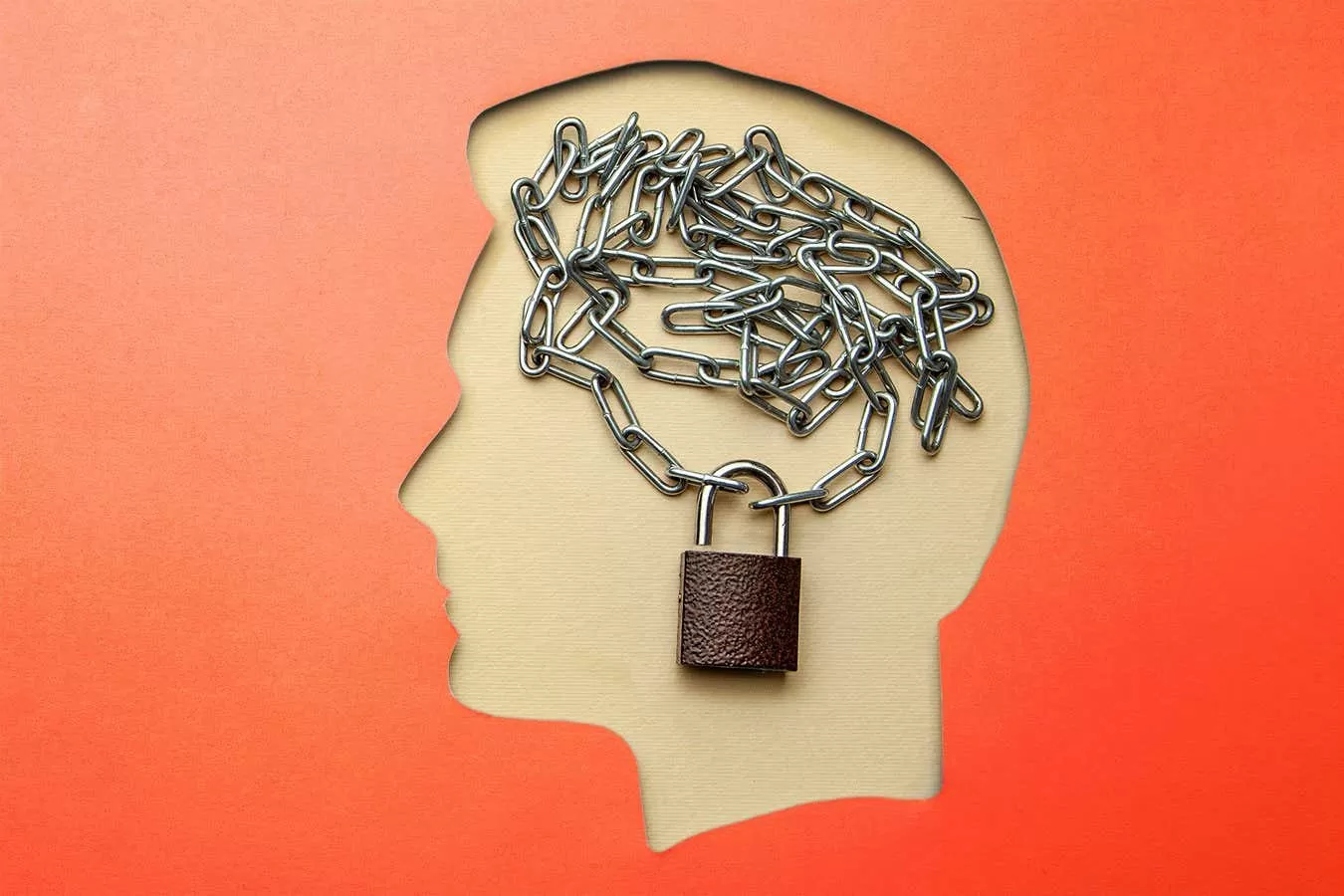
As humans, we all share a common experience of the world around us. We see the same colors, hear the same sounds, and feel the same emotions. Or do we?
The question of whether we all perceive the world in the same way has been a subject of philosophical and scientific debate for centuries. But as our understanding of the brain and consciousness grows, we may finally be getting closer to the answer.
Recent advances in neuroscience and psychology have shed light on the complex relationship between our inner experiences and the physical processes in our brains. And with the help of advanced technology, researchers are now mapping how these experiences relate to one another, leading us towards a deeper understanding of consciousness.
One of the most intriguing questions in this field is whether we all see colors in the same way. For example, when we see the color red, do we all experience it in the same way? Or is our perception of red influenced by our individual biology, past experiences, and cultural background?
On the surface, it may seem like a simple question to answer. After all, we can all point to an object and agree that it is red. But the truth is, we can never really know if our experience of red is the same as someone else’s. We can only assume that it is based on our shared language and cultural norms.
This is where the field of neuroscience comes in. By studying the physical processes in the brain, researchers are able to gain insight into how our inner experiences are created. And recent studies have shown that there is indeed individual variation in how we perceive colors.
One study published in Current Biology found that people’s perception of colors can be influenced by their language. For example, Russian speakers, who have two distinct words for light and dark blue, are able to distinguish between these shades faster and more accurately than English speakers who have only one word for blue.
Another study, published in the Journal of Neuroscience, used brain imaging to show that our perception of colors is not just influenced by language, but also by our individual brain activity. The researchers found that individuals with high levels of activity in the visual cortex were more likely to have a more vivid experience of colors compared to those with lower activity levels.
These findings suggest that our individual biology and brain activity play a significant role in how we perceive colors, and by extension, other aspects of our inner experiences.
But what about more complex experiences, such as emotions? Can we say that we all feel joy and sadness in the same way? Again, the answer is not so simple.
Emotions are complex and multi-faceted experiences, and their subjective nature makes it difficult to study them objectively. However, neuroscientists and psychologists have made significant progress in understanding the neural processes involved in emotions.
One study, published in the journal Nature, used brain imaging to map the neural networks that are activated when we experience different emotions. The researchers found that while there were some common areas of the brain involved in processing emotions, there were also distinct patterns for each emotion.
This suggests that while we may all experience the same basic emotions, such as joy and sadness, the way our brains process and interpret these emotions may be unique to each individual.
But why is understanding our inner experiences and how they relate to one another so important? The answer lies in the elusive concept of consciousness.
Consciousness is often described as the state of being aware of one’s thoughts, feelings, and surroundings. But what gives rise to this experience of awareness has been a mystery for centuries.
By studying the relationship between our inner experiences and the physical processes in the brain, researchers hope to gain a better understanding of how consciousness arises. This can have significant implications for fields such as artificial intelligence and mental health.
For example, understanding how our individual biology and experiences shape our perception of the world can help us design more personalized treatments for mental health disorders. It can also aid in the development of more advanced artificial intelligence systems that can mimic the complexity of human perception.
In conclusion, the question of whether we all see the same red or feel joy and sadness alike has fascinated philosophers and scientists for centuries. And while we may never know for sure, the progress being made in neuroscience and psychology is bringing us closer to understanding how our inner experiences relate to one another and give rise to consciousness. By mapping these connections, we may finally unlock the mysteries of the human mind and gain a deeper understanding of what it means to be conscious.
