
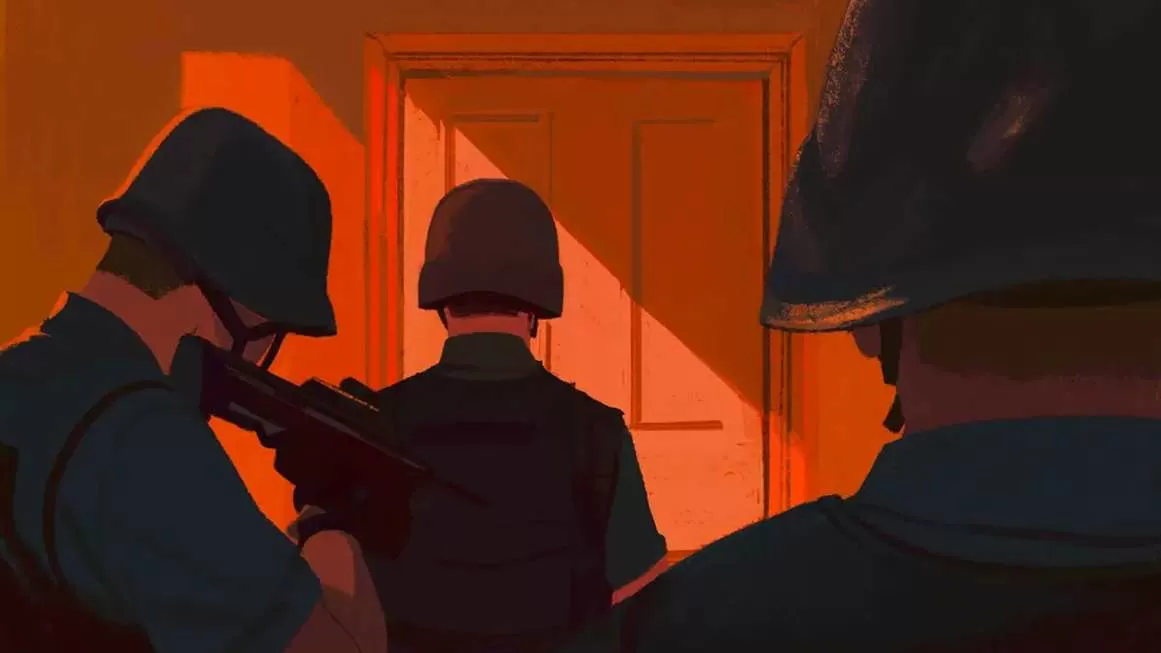
Collateral Damage, directed by Jehane Noujaim and produced by Karim Amer, is a powerful documentary that sheds light on the devastating consequences of drug enforcement policies. It tells the stories of individuals and communities who have been caught in the crossfire of the so-called “war on drugs”. From Mexico to the United States, this film exposes the truth behind the failed and harmful approach to drug control.
The term “collateral damage” is often used in war to describe the unintended harm caused to innocent civilians. However, in the context of drug enforcement, it takes on a whole new meaning. The film shows us that the casualties of this war are not just the drug kingpins and their associates, but also the families, children, and entire communities who are caught in the crosshairs.
One of the most heart-wrenching stories in the film is that of the Ayotzinapa 43, a group of students who were forcibly disappeared in Mexico in 2014. They were on their way to a protest when they were attacked by the police, allegedly under orders from a local drug cartel. The film follows the grieving parents of these students as they search for answers and justice. It is a painful reminder of the human cost of the failed drug policies in Mexico, where violence and corruption are rampant.
But the impact of drug enforcement policies is not limited to Mexico. The film also highlights the story of Bryan, a young man from Oklahoma who was arrested for possession of a small amount of drugs. Despite being a first-time offender, he was sentenced to 17 years in prison under mandatory minimum sentencing laws. His mother, Cindy, became an advocate for drug policy reform and fought tirelessly for her son’s release. This powerful story shows us the devastating effects of harsh and unjust drug laws on individuals and their families.
Collateral Damage also exposes the racial disparities in drug enforcement. In the United States, people of color are disproportionately targeted and incarcerated for drug offenses. The film introduces us to Cory, a young African American man who was sentenced to life in prison for a non-violent drug offense. Through his story, we see the systemic racism and injustice in the criminal justice system, where people of color are more likely to receive harsher punishments for the same crimes as their white counterparts.
The film not only highlights the personal tragedies caused by drug enforcement policies but also challenges the effectiveness of these policies in reducing drug use and trafficking. In fact, it shows how these policies have fueled the growth of powerful and violent drug cartels, leading to even more harm and destruction. As one interviewee in the film says, “The war on drugs is a war on people.”
Collateral Damage also explores alternative approaches to drug control, such as harm reduction and decriminalization. These strategies focus on treating drug use as a public health issue rather than a criminal one. The film takes us to Portugal, where all drugs have been decriminalized since 2001. We hear from individuals who have benefited from this approach and see how it has reduced drug-related harms and improved the lives of many.
The film is a call to action for policymakers and society as a whole to re-evaluate our current approach to drug control. It challenges us to see the humanity in those who use drugs and to consider the devastating impact of our actions on their lives. It also calls for an end to the stigmatization and criminalization of drug users and advocates for a more compassionate and evidence-based approach to drug policy.
In conclusion, Collateral Damage is a powerful and thought-provoking documentary that exposes the failures and harms of the current drug enforcement policies. Through the personal stories of those affected, it shows us the urgent need for change. It is a wake-up call for all of us to question the effectiveness and morality of the “war on drugs” and to demand a more humane and just approach to drug control. This film is a must-watch for anyone who cares about human rights, social justice, and the well-being of our communities.
