
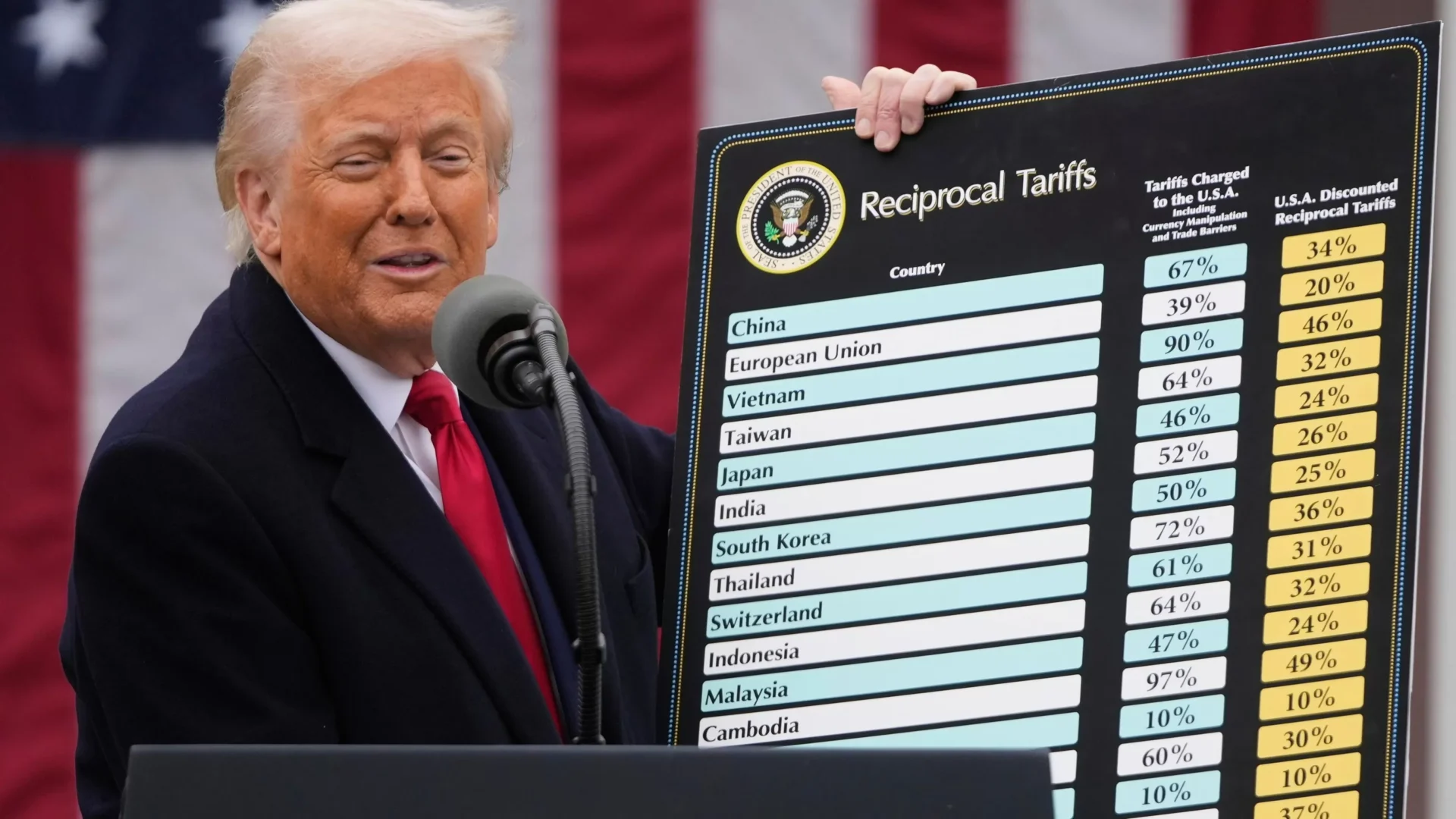
Democrats across the United States are gearing up for the upcoming gubernatorial elections, and there is one key issue that is taking center stage – tariffs. In a tumultuous political climate, with tariffs being imposed left and right, Democratic candidates are making it a priority to address this issue in their campaigns. From the east coast to the west coast, candidates are incorporating the effects of tariffs into their political message as they strive to win the hearts and minds of voters.
Tariffs have been a hot topic in recent months, especially due to the current administration’s strategy of implementing them in an attempt to boost the economy. These taxes on imported goods have sparked debates and concerns among politicians, businesses, and consumers alike. The potential consequences of tariffs, such as rising prices for goods and possible job losses, have put Democratic candidates at the forefront of addressing this issue.
One of the reasons for this strong stance by Democratic candidates is the belief that the current administration’s approach to tariffs is not working in the best interest of the American people. They argue that tariffs are causing more harm than good and that there are better alternatives to support the economy and protect American jobs. By making tariffs a central element of their political message, Democrats are able to offer an alternative solution while providing a clear distinction from their Republican opponents.
Governor Gretchen Whitmer of Michigan, a Democrat seeking re-election, has been vocal about the effects of tariffs on her state’s economy. Michigan is heavily reliant on the auto industry, and tariffs on imported steel and aluminum have put a strain on this sector, according to Whitmer. She has been advocating for a more strategic approach to trade policies that would support the state’s auto industry while also protecting American workers.
Similarly, in Illinois, Democratic candidate for governor JB Pritzker has been highlighting the impact of tariffs on the state’s agriculture industry. With the trade war between the US and China escalating, farmers in Illinois have been hit hard by retaliatory tariffs on their exports. Pritzker has been voicing his concerns and proposing solutions to support farmers and protect the state’s economy.
In Ohio, Democratic candidate for governor Richard Cordray has been addressing the negative effects of tariffs on the state’s manufacturing industry. The state has a strong manufacturing sector, and tariffs on imported goods have caused price increases for raw materials, leading to concerns of job losses. Cordray has been advocating for a more comprehensive trade strategy that would support American manufacturers and protect the jobs of hard-working Ohioans.
It is not just Midwestern states that are seeing Democratic candidates making tariffs a central element of their political message. On the east coast, in Massachusetts, Democratic candidate for governor Jay Gonzalez has been vocal about the effects of tariffs on the state’s technology and innovation sector. With tariffs on imported technology components, businesses in Massachusetts are facing the possibility of increased costs and loss of competitiveness. Gonzalez has been advocating for a more strategic and targeted approach to trade policies that would support innovation and job growth in the state.
In the west, Democratic candidates in states like Nevada and Colorado are also making tariffs a key issue in their campaigns. In Nevada, candidate for governor Steve Sisolak has been addressing the potential impacts of tariffs on the state’s tourism and hospitality industry. With tariffs on imported goods that are vital to the industry, Sisolak has been advocating for a more balanced approach to trade policies that would not harm Nevada’s economy.
In Colorado, Democratic candidate Jared Polis has been highlighting the effect of tariffs on the state’s outdoor recreation and tourism industry. With tariffs on outdoor recreation gear and equipment, Polis has been advocating for a more strategic approach to trade policies that would not put a strain on the state’s booming outdoor industry.
The Democratic candidates running for governor across the country have made it clear that, if elected, they will prioritize finding alternative ways to support the economy without resorting to tariffs. Instead, they are proposing solutions that focus on fair trade, investing in American industries, and protecting American jobs. This approach has resonated with voters, who are looking for leadership that will put their best interests first.
In conclusion, tariffs have become a central element of the political message for Democratic candidates running for governor across the nation. By addressing the negative effects that tariffs have on different industries and proposing alternative solutions, they are offering voters a real choice in this year’s elections. With the November elections fast approaching, it remains to be seen if the Democratic candidates’ strong stance against tariffs will sway voters and lead them to victory.
