
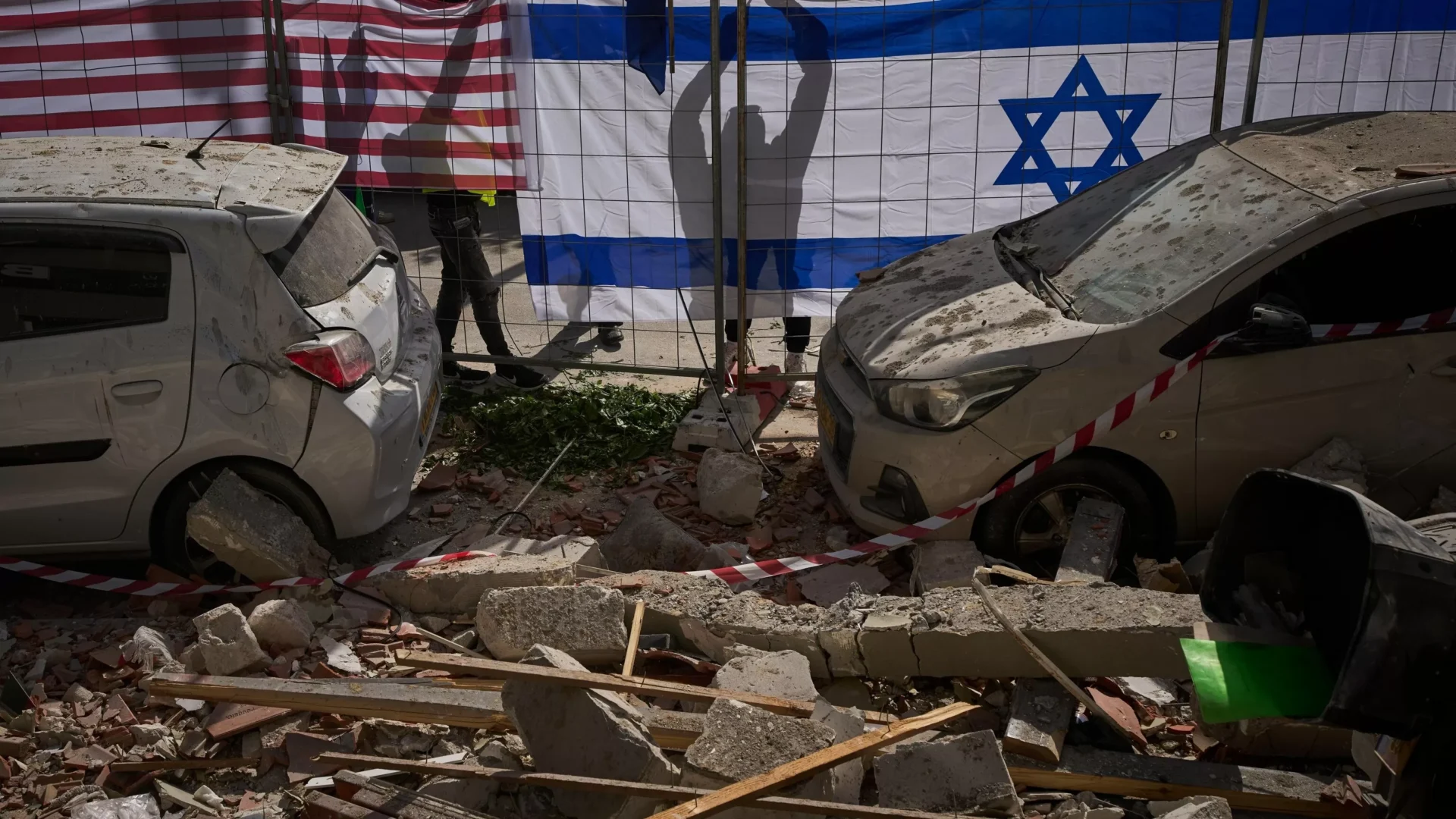
Iran has been making headlines once again as it intensifies its attacks on its Gulf Arab neighbors’ energy infrastructure. This comes as a response to an Israeli attack on its main natural gas field, which has caused significant damage and disruption to Iran’s energy production.
The tensions between Iran and Israel have been escalating in recent years, with both countries engaging in a series of attacks and counterattacks. However, the latest attack on Iran’s natural gas field has sparked a new wave of aggression from the Iranian side.
The attack on the natural gas field, located in the Persian Gulf, has caused a major blow to Iran’s economy, as the country heavily relies on its energy exports. The damage to the infrastructure has resulted in a significant decrease in Iran’s natural gas production, leading to a loss of revenue for the country.
In response, Iran has launched a series of attacks on its Gulf Arab neighbors’ energy infrastructure, targeting oil and gas facilities. These attacks have caused disruptions in the production and transportation of energy resources, leading to a rise in oil prices and affecting the global energy market.
Iran has justified its actions by stating that it is only defending itself against the aggression of its enemies. The country has accused Israel of trying to sabotage its economy and destabilize the region. Iran’s leaders have also warned that they will continue to retaliate against any further attacks on its energy infrastructure.
The intensification of attacks on its Gulf Arab neighbors’ energy infrastructure has raised concerns among the international community. The United Nations has called for an immediate de-escalation of tensions and urged all parties to engage in dialogue to resolve the issue peacefully.
The attacks have also caused a strain in the relations between Iran and its Gulf Arab neighbors, who have traditionally been allies. The countries in the region have expressed their concerns over the attacks and have called for a peaceful resolution to the conflict.
The situation in the Gulf region is already volatile, with ongoing conflicts and political tensions. The attacks on energy infrastructure have only added fuel to the fire, further destabilizing the region and threatening the global energy supply.
It is crucial for all parties involved to exercise restraint and find a diplomatic solution to the issue. The continuous attacks on energy infrastructure will only lead to further damage and instability, which will ultimately harm all countries in the region.
Iran must also consider the consequences of its actions and the impact it will have on its own economy. The country’s economy is already struggling due to international sanctions, and the attacks on its energy infrastructure will only worsen the situation.
The international community must also play a role in de-escalating the tensions and finding a peaceful resolution. The United Nations and other global organizations should facilitate talks between Iran and its Gulf Arab neighbors to find a solution that benefits all parties involved.
In conclusion, the intensification of attacks on its Gulf Arab neighbors’ energy infrastructure by Iran is a cause for concern. The country must find a way to address its grievances without resorting to violence and causing further damage to the region. The international community must also step in and help find a peaceful resolution to the conflict before it escalates further. It is only through dialogue and cooperation that a lasting solution can be achieved, and stability can be restored in the Gulf region.
