
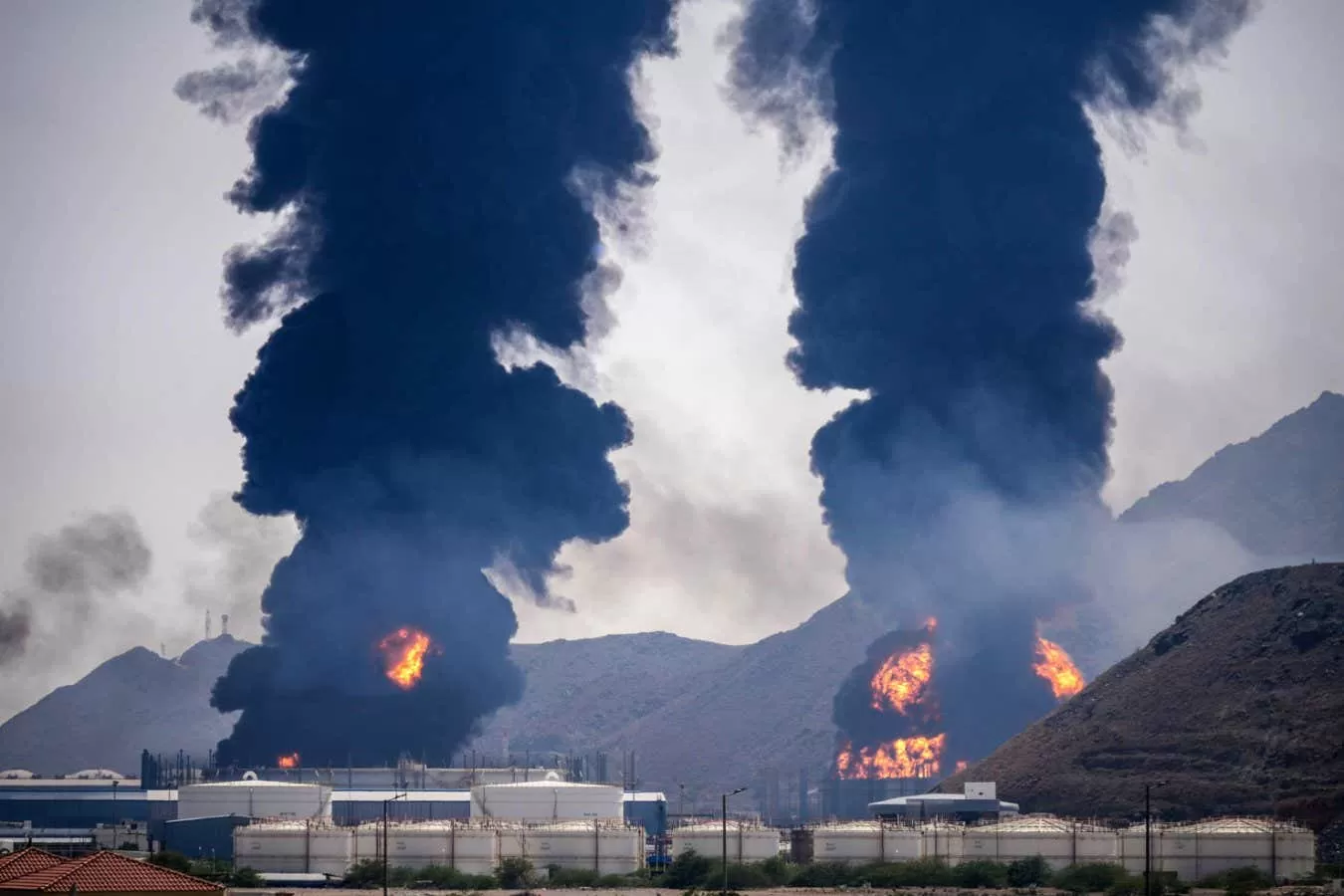
The recent disruption to shipping traffic through the Strait of Hormuz has caused quite a stir in the global energy market. As one of the world’s most important oil and natural gas transit routes, any disruption in the Strait can have a significant impact on prices and supply. And that’s exactly what we’re seeing now – a spike in oil and gas prices that could have far-reaching consequences.
The Strait of Hormuz is a narrow waterway located between Iran and the Arabian Peninsula, connecting the Persian Gulf to the Gulf of Oman and the Arabian Sea. It is a vital shipping route for oil and natural gas, with an estimated 20% of the world’s oil passing through it. However, tensions in the region have escalated in recent months, leading to attacks on oil tankers and a British oil tanker being seized by Iran in retaliation for the seizure of an Iranian oil tanker by British authorities.
These incidents have caused disruptions to shipping traffic in the Strait, raising concerns about the safety and security of this crucial waterway. As a result, oil and natural gas prices have seen a sharp increase, with the potential for even higher prices if the situation escalates further.
While this spike in prices may cause some short-term challenges for countries dependent on oil and gas imports, it could also lead to long-term benefits for the environment and the global push towards renewable energy. As prices for fossil fuels rise, countries may be incentivized to accelerate their transition to renewable energy sources and electric vehicles.
Renewable energy, such as solar and wind power, has been steadily gaining ground in recent years as governments and businesses look for more sustainable alternatives to traditional fossil fuels. However, the cost of renewable energy has been a major barrier to its widespread adoption. With the spike in oil and gas prices, the scales may tip in favor of renewable energy as it becomes a more cost-effective option.
The increased demand for electric vehicles may also be a positive outcome of the disruption in the Strait of Hormuz. Electric cars have been gaining popularity in recent years, but their high upfront costs have been a hindrance to their widespread adoption. With the rising prices of gasoline and diesel, electric cars may become a more attractive and affordable option. This could lead to a significant reduction in carbon emissions and a cleaner, greener future for the planet.
Furthermore, countries that have been heavily reliant on oil and gas imports may see this disruption as a wake-up call to reduce their dependence on these finite resources. Investing in renewable energy and electric vehicles could help these countries become more self-sufficient and reduce their vulnerability to price fluctuations in the global energy market.
In addition to the potential benefits for renewable energy, the disruption in the Strait of Hormuz also highlights the need for greater investment in alternative shipping routes and energy infrastructure. Diversifying shipping routes and developing alternative energy sources can help mitigate the impact of any future disruptions in the Strait.
The recent events in the Strait of Hormuz serve as a reminder of the fragility of our dependence on traditional fossil fuels. While it may cause some short-term challenges, the spike in oil and gas prices could ultimately lead to positive changes in the global energy landscape. By spurring countries to accelerate the rollout of renewable energy and electric vehicles, we can move towards a more sustainable and cleaner future for generations to come. It’s time for us to seize this opportunity and make the necessary changes for a better tomorrow.
