
As President Donald Trump’s trade war with China continues to escalate, there is a growing body of evidence that the tariffs he said would help American factories are actually having detrimental effects on their growth and success. Despite his promises to revive American manufacturing, these tariffs are squashing many of the very same factories he vowed to protect.
Since taking office, President Trump has repeatedly stated that imposing tariffs on imported goods, especially those from China, would bring back manufacturing jobs to the United States and boost the economy. However, the reality is proving to be quite different. Tariffs, which are essentially taxes on imported goods, have led to higher costs for American businesses, disrupted global supply chains, and caused uncertainty for investors and consumers alike.
In fact, a recent study conducted by economists at the Federal Reserve, the University of Chicago, and the International Monetary Fund found that these tariffs have led to higher prices for consumers, reduced productivity, and lower overall economic growth. And while some American factories have benefited from the tariffs, the negative effects on the overall economy far outweigh any potential gains.
One of the industries hit hardest by these tariffs is the American agriculture sector. China, a major buyer of American soybeans, has responded to the tariffs by imposing their own retaliatory tariffs on US agricultural products. This has resulted in a drastic decrease in demand for American crops and has left many farmers struggling to make ends meet.
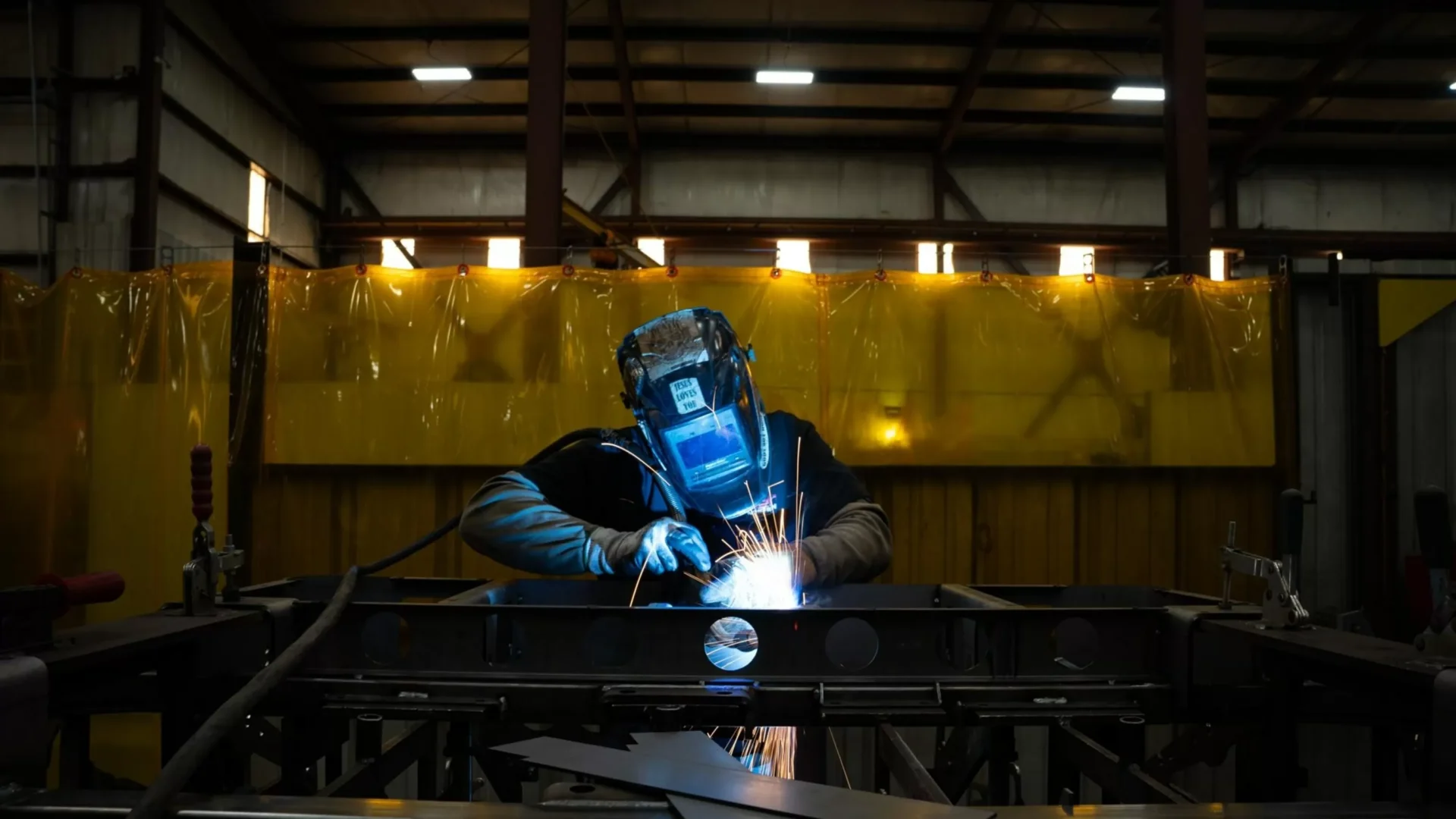
The manufacturing sector has also been deeply affected by the tariffs. Many American factories rely on imported raw materials and components to produce their goods, and the increased costs of these imports have forced them to raise prices or cut back production. This has not only hurt their bottom line, but has also made it more difficult for American companies to compete globally.
Furthermore, the tariffs have created a climate of uncertainty among investors and businesses. With no clear end to the trade war in sight, many companies have been hesitant to make long-term investments or expand their operations. This has resulted in a slowdown in economic growth and job creation, directly contradicting the president’s promises of a booming economy.
Despite these negative consequences, President Trump continues to defend his trade policies, arguing that they are necessary in order to protect American jobs and industries. However, many experts and economists disagree, pointing to the data that shows the harmful effects of these tariffs.
In addition, the trade war with China has also strained relationships with key allies such as Canada, Mexico, and the European Union. These countries have also implemented retaliatory tariffs, further damaging American businesses and creating tension in important trade partnerships.
It is clear that the tariffs imposed by President Trump are not achieving their intended goals. Instead, they are causing more harm than good to the American economy. As the trade war continues to escalate, it is our domestic businesses and industries that are being crushed under the weight of these ill-advised policies.
It is time for the administration to take a step back and reassess their approach to trade. Instead of engaging in harmful tariffs, we should focus on developing fair and mutually beneficial trade agreements that will benefit both American businesses and our trade partners. This includes addressing issues such as intellectual property theft and unfair trade practices without resorting to damaging tariffs.
The future of American manufacturing and the economy as a whole hangs in the balance. It is crucial that we prioritize long-term economic growth and stability over short-term political wins. We must urge our leaders to consider the data and make informed decisions that will benefit our country in the long run. Only then can we truly make America great again.
