
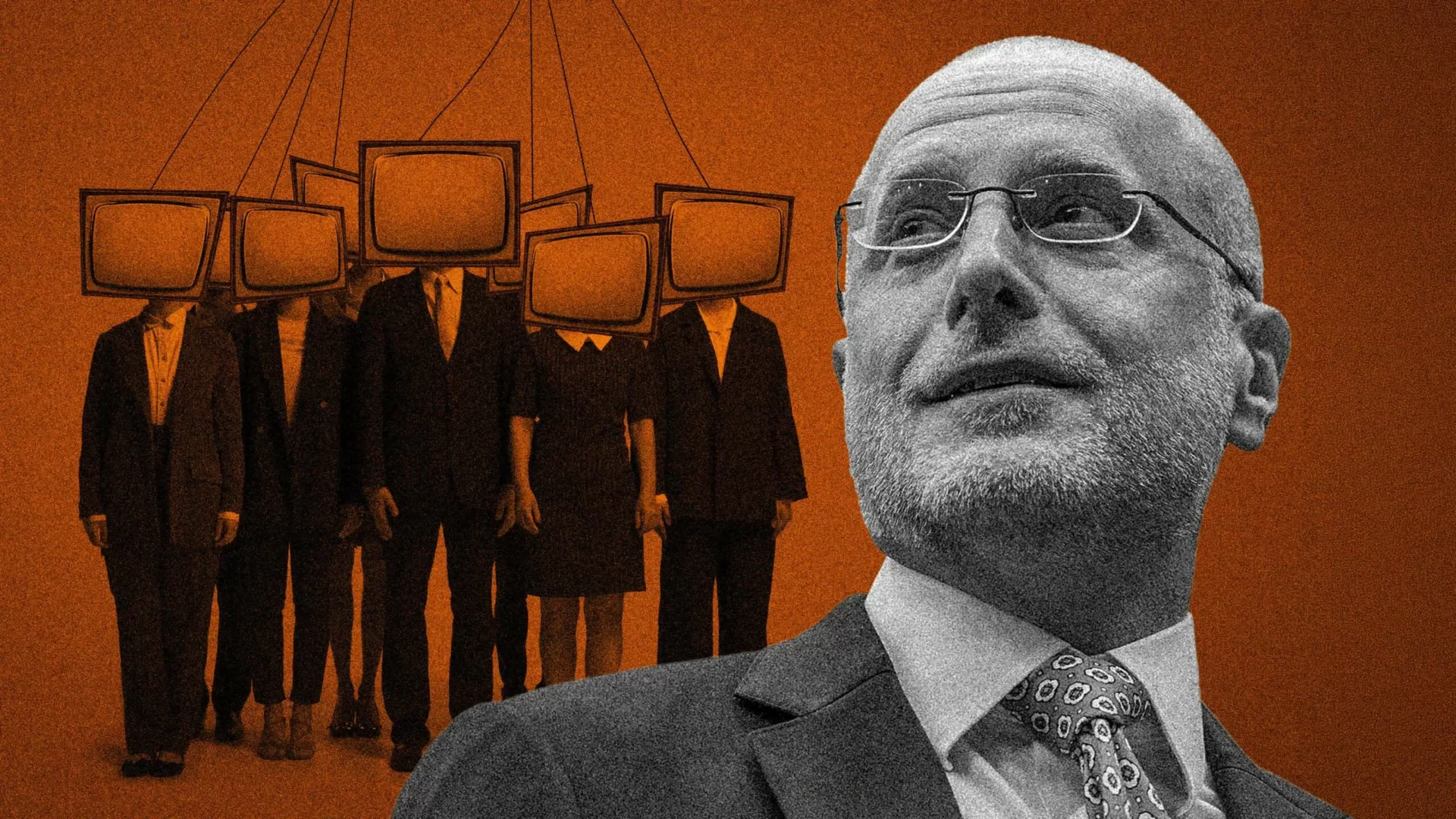
The First Amendment of the United States Constitution is a cornerstone of our democracy, guaranteeing the freedom of speech, press, religion, and assembly. These fundamental rights are essential for a healthy and functioning society, allowing for the expression of diverse opinions and the free flow of information. However, there has been recent controversy surrounding the role of the Federal Communications Commission (FCC) chairman in regulating news coverage. Some argue that the FCC chairman has the power to police news coverage, while others believe that such actions would be a violation of the First Amendment. In this article, we will explore why the First Amendment does not allow the FCC chairman to police news coverage.
First and foremost, it is important to understand the role of the FCC in relation to news coverage. The FCC is an independent federal agency responsible for regulating interstate and international communications by radio, television, wire, satellite, and cable. Its main goal is to ensure that these communication channels are open, fair, and accessible to all Americans. However, the FCC does not have the authority to regulate the content of these communications, including news coverage. This responsibility falls under the purview of the First Amendment, which explicitly states that “Congress shall make no law…abridging the freedom of speech, or of the press.”
The First Amendment is a vital protection for journalists and news organizations, as it guarantees their right to report the news without fear of government interference or censorship. This is essential for a free and independent press, which is crucial to holding those in power accountable and keeping the public informed. By attempting to police news coverage, the FCC chairman would be infringing upon the rights of journalists and news organizations, and ultimately, the public’s right to know.
Furthermore, the idea of the FCC chairman policing news coverage goes against the principles of a democratic society. In a democracy, the government should not have the power to control what information its citizens have access to. This would create a dangerous precedent, where the government could manipulate the flow of information and shape the public’s perception of events. This is not only a violation of the First Amendment, but it also goes against the core values of democracy.
Moreover, the FCC chairman does not have the expertise or authority to determine what is considered “accurate” or “fair” in news coverage. The responsibility of ensuring accurate and fair reporting falls on the media outlets themselves, as well as the public’s ability to critically evaluate information. It is not the role of the government to dictate what is and isn’t true in news coverage.
Additionally, the argument for the FCC chairman to police news coverage is often based on the premise of promoting “balance” in reporting. However, this concept of balance is subjective and can vary greatly depending on one’s political beliefs. By attempting to regulate balance, the FCC chairman would be imposing a biased view on news coverage, which goes against the idea of a free and diverse press.
In conclusion, the First Amendment is a crucial safeguard for the freedom of speech and press in the United States. It guarantees that the government cannot interfere with the content of news coverage, and any attempt to do so would be a violation of this fundamental right. The FCC chairman does not have the authority or expertise to police news coverage, and it is not their role to determine what is considered “accurate” or “fair” in reporting. As citizens of a democratic society, we must protect and uphold the principles of the First Amendment, and ensure that the free flow of information is not compromised.
