
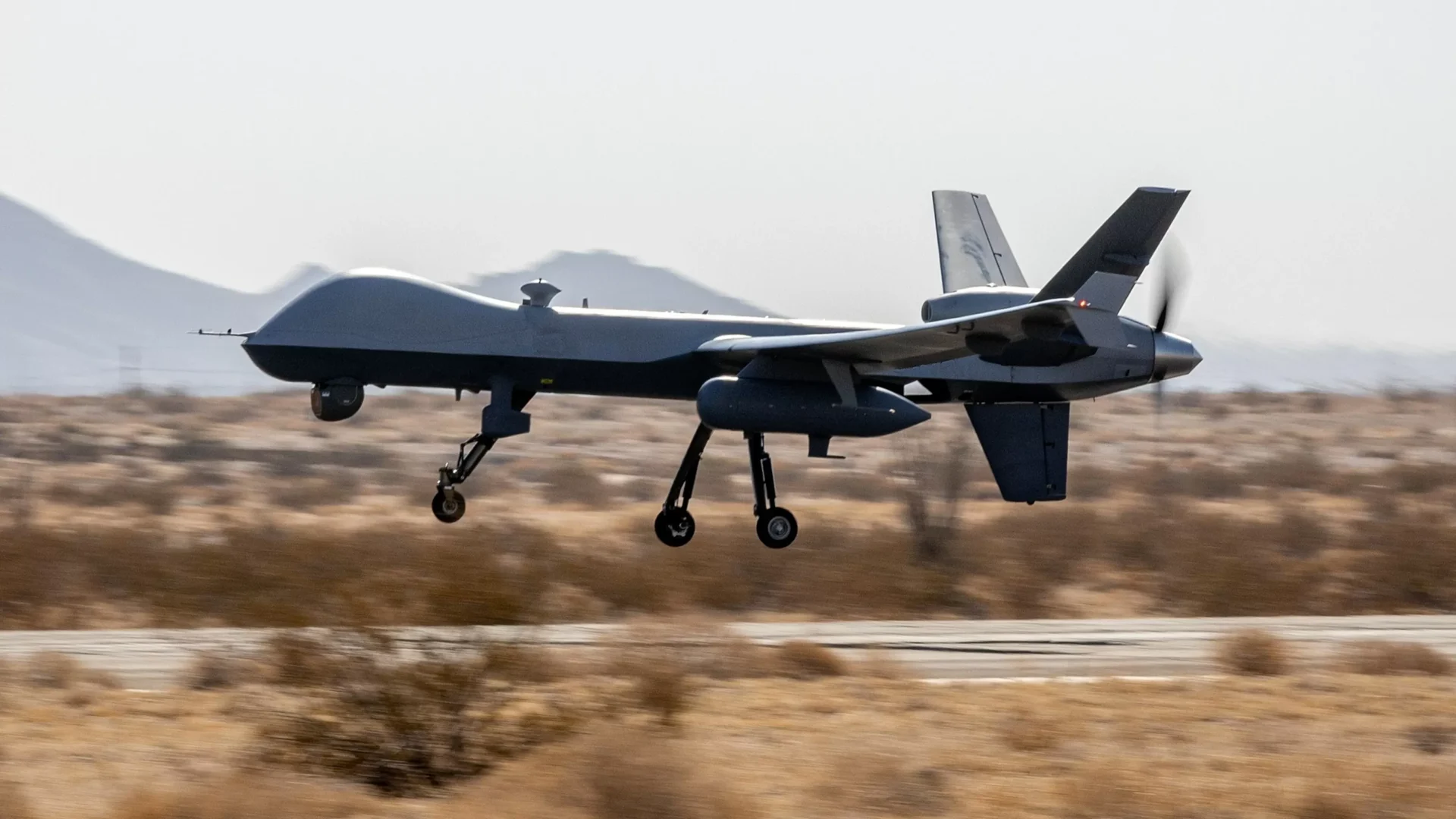
In recent years, the use of unmanned drones in military operations has become increasingly prevalent. These advanced aircrafts, controlled remotely by trained operators, have been hailed as a game-changing technology in modern warfare. However, recent reports have revealed a concerning trend – more than a dozen MQ-9 Reaper drones have been lost in combat as part of operations against Iran.
According to two U.S. officials who spoke to ABC News, these unmanned drones have been lost in various incidents over the past few years. While the exact number of losses remains classified, it is believed to be more than a dozen. This revelation has raised questions about the effectiveness and safety of using drones in combat, especially in the ongoing tensions between the United States and Iran.
The MQ-9 Reaper drone, also known as the Predator B, is a remotely piloted aircraft primarily used for surveillance and strike missions. It is equipped with advanced sensors and weapons systems, making it a valuable asset in gathering intelligence and conducting precision strikes. However, these capabilities also make it a prime target for enemy forces.
The loss of these drones is a significant blow to the U.S. military, both in terms of financial cost and strategic impact. Each MQ-9 Reaper drone costs approximately $16 million, and the loss of more than a dozen of them is a considerable financial burden. Moreover, these drones are crucial in gathering intelligence and conducting targeted strikes, and their absence can hinder military operations.
The U.S. military has not officially confirmed the number of losses, but it has acknowledged that some drones have been lost in combat. In a statement to ABC News, a spokesperson for the U.S. Central Command stated, “We have lost a small number of unmanned aerial systems in various operations against Iran.” The spokesperson also emphasized that the U.S. military takes every precaution to minimize the risk of losing these valuable assets.
The loss of these drones highlights the challenges and risks involved in using unmanned aircraft in combat. While they offer many advantages, including reduced risk to human lives, they are not invincible. They can be shot down by enemy fire, experience technical malfunctions, or face other unforeseen circumstances. As with any advanced technology, there is always a risk of failure.
However, despite these losses, the U.S. military remains committed to using drones in combat operations. They continue to invest in research and development to improve the capabilities and safety of these aircraft. In fact, the U.S. Air Force recently announced plans to upgrade the MQ-9 Reaper with new sensors and weapons systems, making it even more effective on the battlefield.
Moreover, the use of drones has proven to be a valuable tool in modern warfare. They have played a crucial role in gathering intelligence and conducting targeted strikes against high-value targets, including terrorist leaders. Their ability to fly for extended periods and conduct precision strikes with minimal collateral damage has made them a preferred choice for military operations.
In conclusion, the loss of more than a dozen MQ-9 Reaper drones in combat operations against Iran is a concerning development. However, it should not overshadow the significant contributions these unmanned aircraft have made in modern warfare. The U.S. military remains committed to using drones and continues to improve their capabilities and safety. As technology advances, we can expect to see even more advanced and effective drones on the battlefield, further enhancing the military’s capabilities.
