
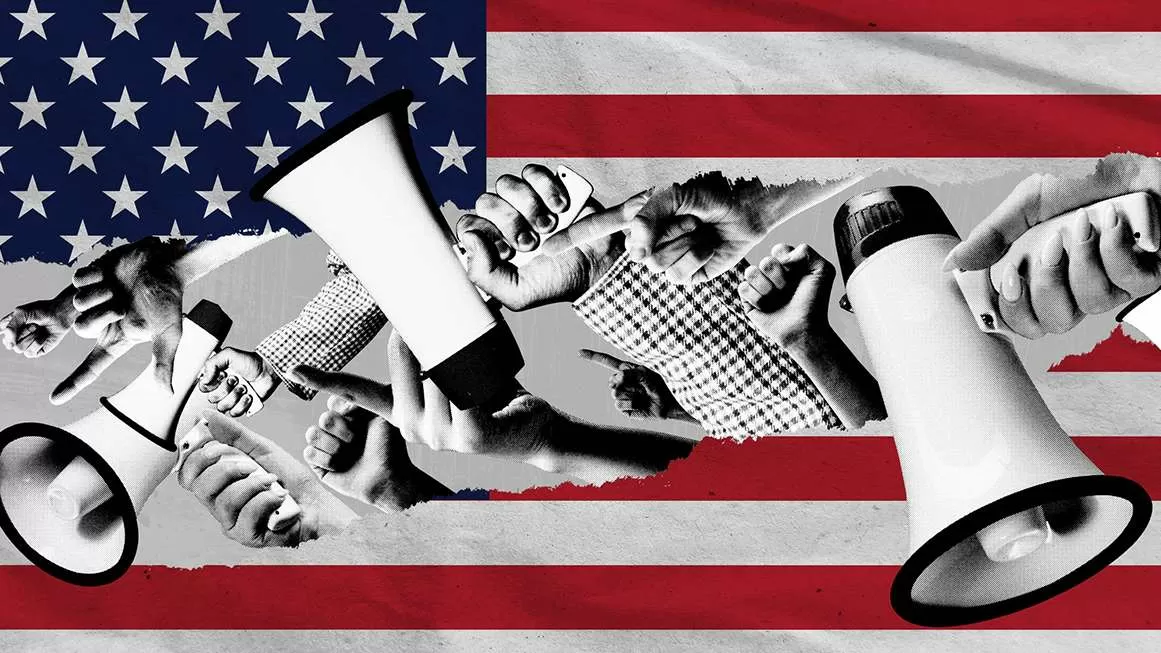
Freedom of speech and of press are fundamental rights that are essential for a democratic society. These rights allow individuals to express their opinions, ideas, and beliefs without fear of censorship or punishment. In the United States, these rights are protected by the First Amendment of the Constitution, which states that “Congress shall make no law…abridging the freedom of speech, or of the press.” However, there has been a long-standing debate about whether these rights should also be extended to non-citizens, particularly aliens residing in the country.
In 1945, the Supreme Court made a landmark ruling that affirmed the right to freedom of speech and of press for aliens residing in the United States. This decision was a significant step towards ensuring that all individuals, regardless of their citizenship status, are able to exercise their fundamental rights. Let us delve deeper into this ruling and understand its implications.
The case in question was Bridges v. Wixon, where Harry Bridges, an Australian-born labor leader and a resident alien, was facing deportation for allegedly being a member of the Communist Party. Bridges argued that his deportation would violate his First Amendment rights, as he would be unable to exercise his freedom of speech and of press in his home country. The Supreme Court, in a 5-4 decision, ruled in favor of Bridges, stating that “freedom of speech and of press is accorded aliens residing in this country.”
This ruling was a significant victory for Bridges and all aliens residing in the United States. It recognized that the First Amendment rights are not limited to citizens but are extended to all individuals within the country’s borders. The Court also acknowledged that the right to freedom of speech and of press is not limited to spoken or written words but also includes the right to express oneself through actions and associations.
The decision in Bridges v. Wixon was a crucial moment in the history of the United States, as it reaffirmed the country’s commitment to protecting the fundamental rights of all individuals. It also set a precedent for future cases involving the rights of non-citizens. The ruling recognized that aliens residing in the country are entitled to the same rights and protections as citizens, and their status should not be a barrier to exercising these rights.
The Supreme Court’s decision in Bridges v. Wixon also had a significant impact on the country’s immigration policies. It sent a clear message that the government cannot use an individual’s citizenship status as a basis for denying them their fundamental rights. This ruling has been cited in numerous cases involving the rights of non-citizens, including the recent travel ban imposed by the Trump administration, which was deemed unconstitutional by lower courts.
The right to freedom of speech and of press is crucial for a democratic society. It allows individuals to voice their opinions, challenge authority, and hold the government accountable. By extending these rights to aliens residing in the country, the Supreme Court has ensured that all individuals have a voice and can participate in the democratic process.
However, despite this landmark ruling, there have been instances where the rights of non-citizens have been violated. The government has used national security concerns as a justification for limiting the rights of aliens, particularly in the aftermath of the 9/11 attacks. This has led to the erosion of civil liberties and the targeting of certain communities based on their nationality or religion.
It is essential to remember that the right to freedom of speech and of press is not absolute and can be limited in certain circumstances, such as inciting violence or spreading hate speech. However, these limitations should be applied equally to all individuals, regardless of their citizenship status.
In conclusion, the Supreme Court’s ruling in Bridges v. Wixon was a significant victory for the rights of non-citizens in the United States. It reaffirmed the country’s commitment to protecting the fundamental rights of all individuals and set a precedent for future cases involving the rights of aliens. As a nation built on the principles of freedom and democracy, it is crucial that we continue to uphold these values and ensure that all individuals, regardless of their background, are able to exercise their rights and contribute to the vibrant tapestry of our society.
