
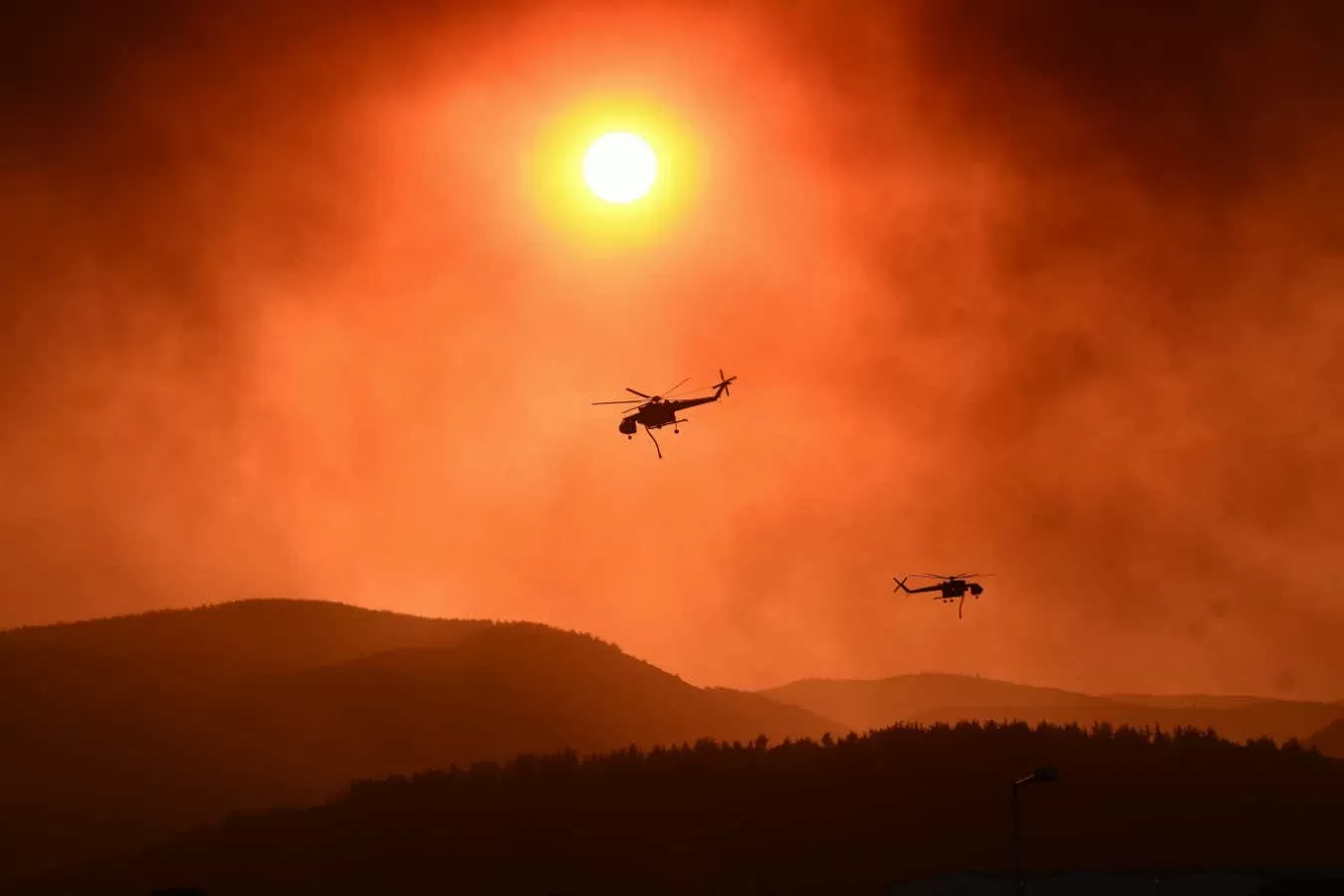
Amidst extreme heat waves, record-breaking temperatures, and deadly natural disasters, the debate surrounding the cause of these catastrophic events has intensified. On one side, scientists argue that human-made climate change is primarily responsible for the escalating heat in recent years. On the other side, there are those who believe that natural fluctuations in the Earth’s climate are to blame. This ongoing disagreement among scientists has stirred discussions and debates about the urgency of tackling climate change and its potential impact on future generations.
It is no secret that the Earth’s climate has been changing for millions of years, with natural fluctuations occurring due to factors such as solar radiation, volcanic activity, and ocean currents. However, in the past century, the rate of these climate changes has accelerated at an alarming rate. According to the Intergovernmental Panel on Climate Change (IPCC), the Earth’s average temperature has risen by 1°C since the Industrial Revolution, and this is mainly attributed to human activities such as burning fossil fuels, deforestation, and industrial processes. These human-driven activities have significantly increased the levels of greenhouse gases in the atmosphere, trapping heat and causing the Earth’s temperature to rise.
On the other hand, some scientists argue that natural fluctuations in the Earth’s climate are the main cause of the recent extreme heat levels. They argue that cyclical variations in the Earth’s orbit or solar activity can cause fluctuations in global temperature that significantly impact our climate. These scientists point to the fact that the Earth has experienced changes in temperature in the past without human intervention, such as the Medieval Warm Period (900-1200 AD) and the Little Ice Age (1400-1800 AD).
Both sides have valid arguments, but the question remains – which one is more responsible for the current heat wave? To answer this, we need to understand the difference between weather and climate. Weather refers to the short-term atmospheric conditions such as temperature, humidity, and precipitation, while climate is the long-term average of these weather patterns over a period of time. Therefore, while weather fluctuations can be attributed to natural causes, climate change is a long-term trend that requires a global perspective.
Climate scientists use sophisticated computer models and data from various sources to analyze the Earth’s climate and its changes. According to these models, the Earth’s temperature is rising at an unprecedented rate, and this cannot be explained by natural fluctuations alone. In the past decade, we have seen extreme weather events such as heatwaves, wildfires, hurricanes, and floods occurring more frequently and with greater intensity. These events have been linked to the rising temperatures caused by human activities.
Moreover, the impact of human-made climate change is not limited to extreme heat events. It also includes factors such as rising sea levels, changes in precipitation patterns, and the acidification of the oceans – all of which have significant consequences for our planet and its inhabitants. The effects of climate change are not only confined to the natural world but also have widespread social and economic implications. Poorer and vulnerable communities are disproportionately affected, as they lack the resources and infrastructure to adapt to the changing environment.
However, the debate on whether human-made climate change or natural fluctuations are to blame should not overshadow the urgent need for action. Regardless of the cause, the effects of extreme heat are devastating and require immediate attention. The Earth’s temperature is expected to rise by an average of 1.5°C by 2050, and the consequences of inaction are grave. Therefore, it is imperative that we take proactive measures to mitigate the causes of climate change, reduce our carbon footprint, and adapt to the changing climate. This will require collective effort and commitment from governments, corporations, and individuals.
In recent years, we have seen positive steps taken towards addressing climate change. The Paris Agreement, signed by nearly 200 countries, aims to limit the global temperature rise to below 2°C by reducing greenhouse gas emissions. More and more countries are adopting renewable energy sources and implementing policies to reduce carbon emissions. However, more needs to be done, and it is crucial that we continue to strive towards a sustainable future.
In conclusion, the increasing heat levels in recent years are a result of a combination of human-made climate change and natural fluctuations. While scientists may disagree on the extent of each factor, the fact remains that the Earth’s climate is changing, and urgent action needs to be taken. It is time for the debate to shift from the causes of climate change to finding solutions and taking concrete steps to protect our planet and
