
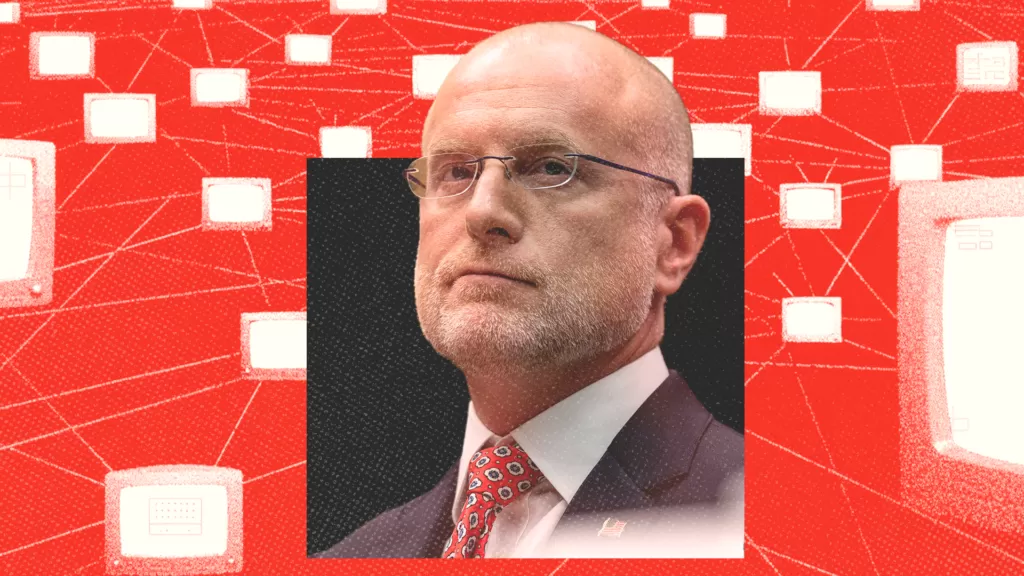
The Federal Communications Commission (FCC) is a regulatory agency responsible for overseeing the communications industry in the United States. As the head of this agency, the FCC Chairman plays a crucial role in shaping policies and regulations that affect millions of Americans. However, recent decisions by the current FCC Chairman have raised concerns and sparked debates about the reasoning behind them.
In particular, the reasoning behind the FCC Chairman’s decisions regarding net neutrality and media ownership regulations has been heavily criticized. Many experts and stakeholders in the industry have pointed out flaws in the Chairman’s logic, claiming that it is faulty and could have detrimental effects on consumers and the market.
One of the main reasons for this criticism is the lack of concrete evidence to support the FCC Chairman’s decisions. Net neutrality, which is the principle that all internet traffic should be treated equally, has been a hotly debated issue for years. However, the current FCC Chairman’s proposal to repeal net neutrality rules was based on theoretical arguments and lacked real-world data to back it up.
This lack of evidence has raised concerns among consumer groups who fear that without net neutrality, internet service providers (ISPs) will have the power to control and manipulate the flow of online content. This could result in slower internet speeds, higher costs for consumers, and limited access to certain websites and services. The FCC Chairman’s reasoning for repealing net neutrality has been called into question, as it seems to favor the interests of ISPs over the rights and needs of consumers.
Similarly, the FCC Chairman’s decision to loosen media ownership regulations has also been met with criticism. These regulations were put in place to ensure a diverse and competitive media landscape, with limits on how many media outlets one company can own in a particular market. However, the current FCC Chairman has argued that these regulations are outdated and hinder the growth of media companies.
Critics of this decision argue that the FCC Chairman’s reasoning is flawed, as it fails to consider the potential negative impact on smaller, independent media outlets. Without regulations to prevent media consolidation, larger companies could dominate the market, limiting the variety of voices and perspectives available to the public. This could also lead to bias in reporting, as media companies with a particular agenda could control what information is being disseminated to the public.
Furthermore, the current FCC Chairman’s justifications for loosening media ownership regulations have been called into question due to his close ties with large media corporations. This raises concerns about potential conflicts of interest and whether the Chairman’s decisions are truly in the best interest of the public.
In addition to these specific decisions, the overall approach of the FCC Chairman has been criticized for being too industry-friendly. Many argue that the Chairman’s focus on deregulation and reducing the role of the FCC in overseeing the industry goes against the agency’s mission of protecting consumers and promoting a fair and competitive market.
Moreover, the FCC Chairman’s reasoning for these policies seems to disregard the public’s opinions and concerns. For example, the proposal to repeal net neutrality received a record-breaking number of comments from the public, the majority of which were in favor of keeping the rules in place. However, the Chairman’s decision to ignore these comments and move forward with the repeal has raised questions about his true motivations and priorities.
In conclusion, the FCC Chairman’s reasoning behind recent decisions has been called into question and deemed faulty by many experts and stakeholders. The lack of concrete evidence, potential conflicts of interest, and disregard for public opinion have raised concerns about whether the Chairman’s policies are truly in the best interest of the American people. As the head of an agency responsible for protecting consumers and promoting a fair and open market, it is crucial for the FCC Chairman to have sound reasoning and evidence to support his decisions. It is time for the Chairman to reconsider his approach and prioritize the needs and rights of the public over the interests of large corporations.
