
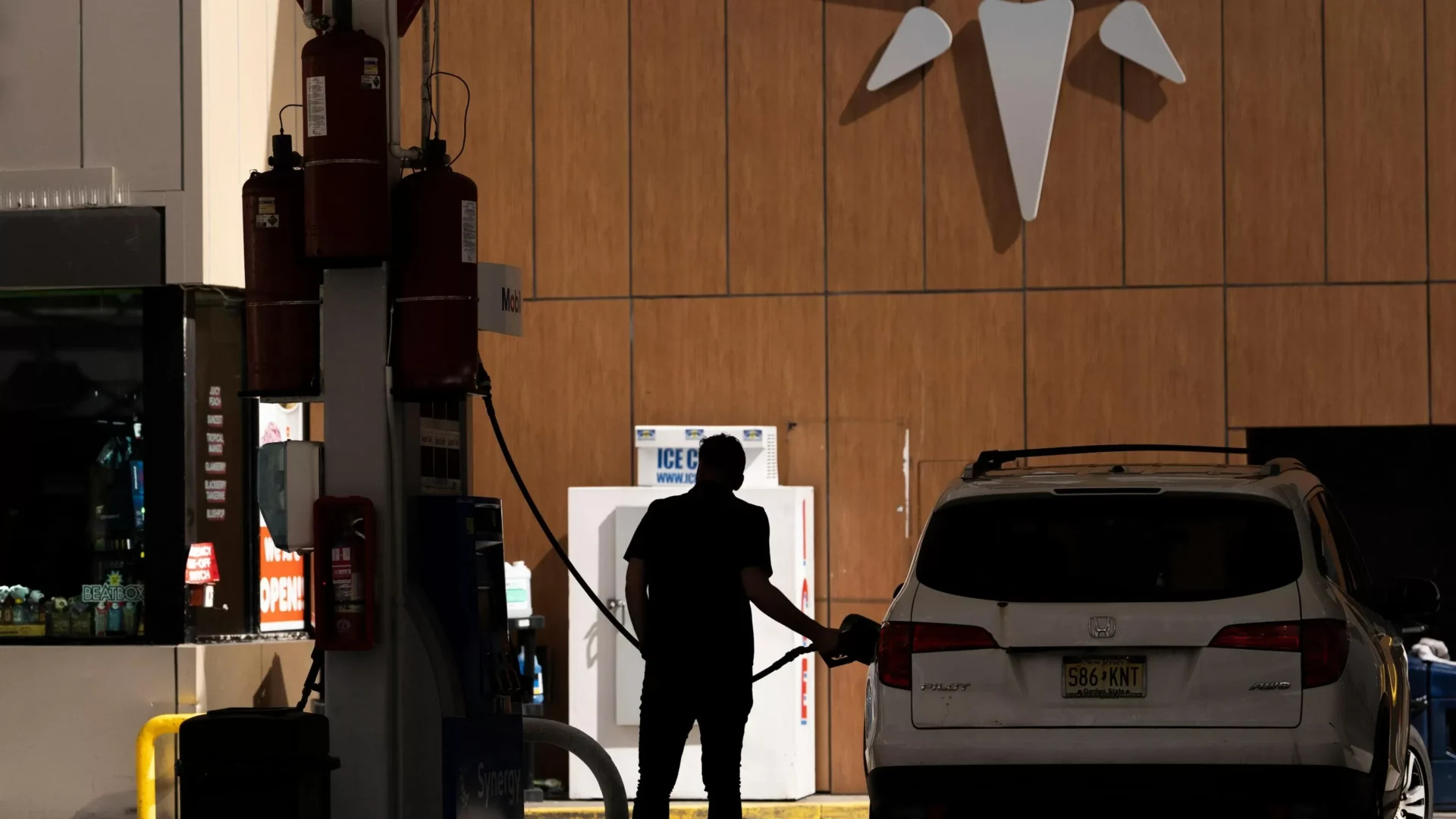
Gas prices have always been a hot topic of discussion among drivers and consumers alike. Every time we see the prices at the pump rise, we can’t help but feel a sense of frustration and worry. It seems like every time we go to fill up our tanks, we are paying more and more. And with the constant increase in gas prices, it’s no wonder that drivers are feeling the pain at the pump.
The fluctuation in gas prices is not a new phenomenon. It’s a cycle that we have seen time and time again. But what exactly causes these prices to rise? There are several factors that contribute to the increase in gas prices. One of the main factors is the global demand for oil. As developing countries continue to grow, the demand for oil also increases, putting a strain on the limited supply. This, in turn, drives up the prices.
Furthermore, political instability in oil-producing countries can also have a significant impact on gas prices. Any disruption in the production or distribution of oil can lead to a rise in prices. For example, when the United States imposed sanctions on Iran, it caused a decline in their oil production, resulting in a rise in gas prices globally.
But why does the increase in gas prices add to drivers’ pain at the pump? The answer is simple – because it directly affects our wallets. As gas prices rise, it becomes more expensive to fill up our tanks, leaving us with less money for other essential expenses. This can be especially challenging for low-income families who heavily rely on their vehicles for transportation.
Not only do higher gas prices affect our wallets, but they also have a ripple effect on the economy. As transportation costs increase, businesses are forced to raise the prices of their goods and services to cover their expenses. This, in turn, can lead to inflation and a decrease in consumer spending. As a result, the economy can suffer, affecting everyone in the long run.
So what can we, as drivers, do to alleviate the pain at the pump? The first and most obvious solution is to reduce our gas consumption. We can do this by carpooling, using public transportation, or even opting for more fuel-efficient vehicles. Apart from saving money on gas, these alternatives also benefit the environment, making it a win-win situation.
Another solution is to stay informed and plan ahead. Keep an eye on gas prices in your area and try to fill up when the prices are lower. With the advancement of technology, there are also many apps and websites that can help you find the cheapest gas prices in your vicinity.
Moreover, we can also look into alternative fuel options. Many countries are now investing in renewable energy sources such as electric and hybrid cars. These vehicles not only reduce our dependence on oil but also save us money in the long run. As technology continues to advance, we can expect to see more affordable and eco-friendly options in the market.
Despite the pain at the pump, there is always a silver lining. Higher gas prices can motivate us to be more conscious of our gas consumption and encourage us to explore alternative options. It can also push us towards more sustainable practices, benefiting both ourselves and the environment.
In conclusion, the increase in gas prices may add to our pain at the pump, but it is a reminder that we need to be more mindful of our consumption and explore alternative options. It is also a wake-up call for governments and industries to invest in renewable energy sources and reduce our dependence on oil. Together, we can work towards a more sustainable and affordable future for all.
