
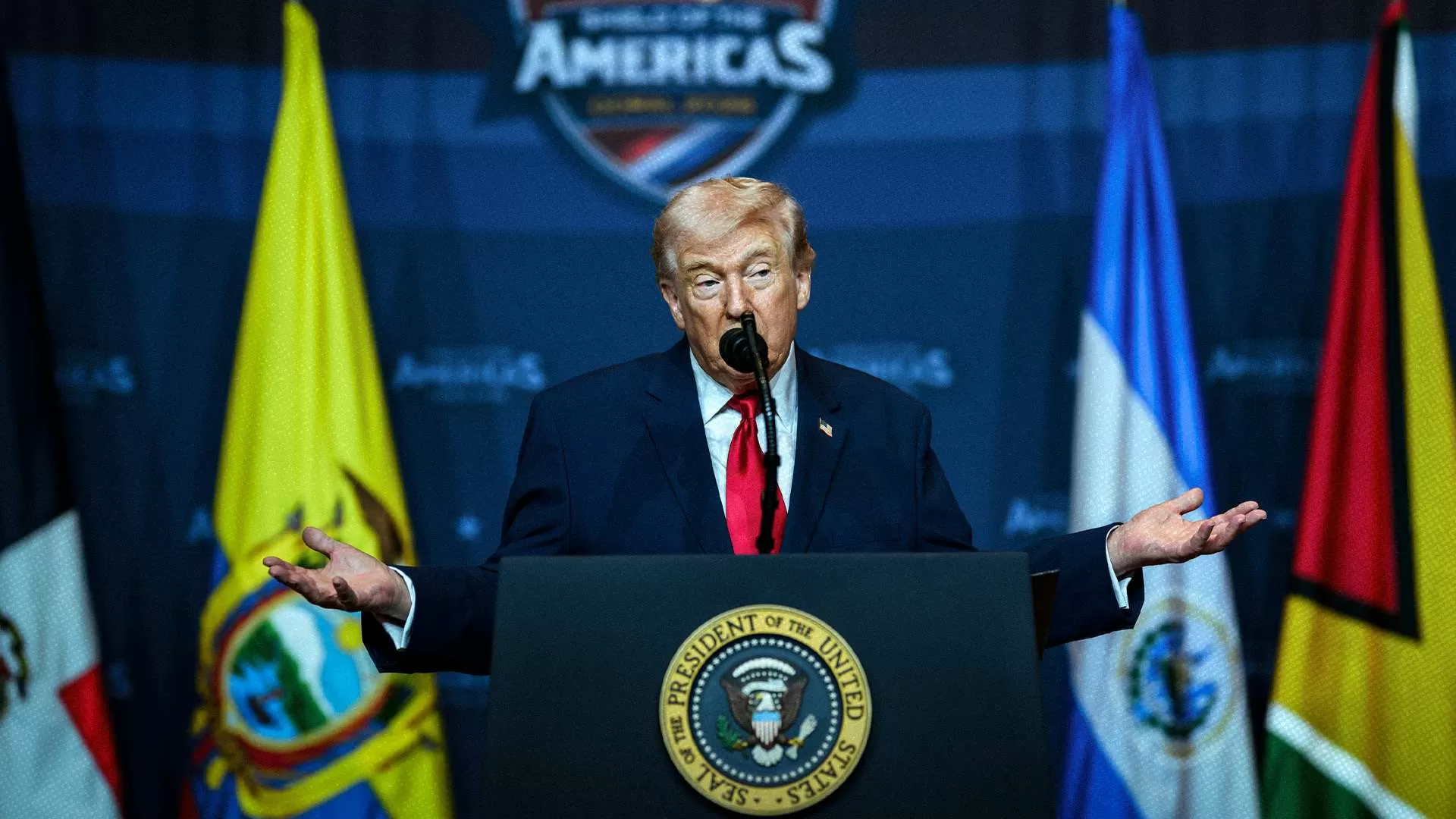
The Trump administration’s plan to end drug cartels in Latin America has been making headlines recently. It promises to eliminate one of the biggest threats to the region, but upon closer examination, it is clear that this plan is nothing more than an interventionist boondoggle.
Drug cartels have been a long-standing issue in Latin America, causing immense damage to the region’s economy and society. However, despite numerous efforts by previous administrations to tackle this problem, the issue persists. And now, the Trump administration is proposing yet another interventionist approach, which is bound to fail.
The primary focus of the Trump administration’s plan is to increase military presence in the region. This involves deploying more troops, increasing military aid, and potentially mobilizing the National Guard. This approach has been tried and tested before, and it has never yielded any significant results. In fact, history has shown that military intervention often leads to further violence and instability in the region.
Moreover, the plan also includes cutting off foreign aid to countries that do not cooperate in the fight against drug cartels. This tactic is not only counterproductive but also goes against the principles of diplomacy. It is essential to understand that the root cause of drug cartels lies in the socio-economic and political issues of these countries. By cutting off aid, the administration will only exacerbate these issues and push the affected countries further into chaos.
Furthermore, the Trump administration’s plan also fails to address the demand for drugs in the United States. As long as there is a demand, drug cartels will continue to thrive. Instead of focusing solely on supply-side strategies, the administration should also address the demand-side of the issue by investing in drug prevention and treatment programs within the country.
The plan also lacks a comprehensive and coordinated approach among the countries involved. Latin American countries have different political, social, and economic structures, and a one-size-fits-all approach will not work. There needs to be a collaborative effort among these countries, with a focus on addressing the underlying issues that give rise to drug cartels.
Another concerning aspect of this plan is the lack of consideration for the human rights of the citizens in the affected countries. History has shown that military intervention often leads to human rights abuses, and the Trump administration’s plan is no different. In the pursuit of eliminating drug cartels, innocent civilians will inevitably become collateral damage.
It is also worth mentioning that this plan is not a new idea. Previous administrations, including the Reagan administration, have attempted similar approaches with little success. The war on drugs has been ongoing for decades, and it is evident that a militaristic approach is not the solution.
So why does the Trump administration continue to push for this interventionist boondoggle? Some experts believe that this could be a ploy to distract from domestic issues and boost the President’s image. Others argue that it could be a strategic move to gain control over the region and its resources.
Whatever the reason may be, it is clear that this plan is not the answer to ending drug cartels in Latin America. It is a short-sighted, militaristic approach that will only exacerbate the issues in the region. Instead, there needs to be a shift towards a comprehensive, collaborative, and long-term strategy that addresses the root causes of the problem.
In conclusion, the Trump administration’s plan to end drug cartels in Latin America is nothing but an interventionist boondoggle. It lacks a comprehensive approach, ignores the demand-side of the issue, and puts the lives of innocent civilians at risk. It is time for the administration to acknowledge that military intervention is not the solution and work towards a more effective and sustainable approach. Only then can we hope to see an end to the drug cartel problem in Latin America.
