
The Strait of Hormuz, located between Iran and Oman, is a narrow waterway that connects the Persian Gulf to the Arabian Sea. This seemingly unremarkable stretch of water plays a crucial role in the global economy, as it is responsible for the transportation of roughly a fifth of the world’s oil supply. This fact alone highlights the immense significance of the Strait of Hormuz and the impact it has on our daily lives.
The Strait of Hormuz is only 21 miles wide at its narrowest point, making it one of the world’s most strategically important chokepoints. It is the only sea passage from the Persian Gulf to the open ocean, making it a vital route for the transportation of oil from the Middle East to the rest of the world. The strait is also a major shipping route for other commodities such as natural gas, making it a crucial lifeline for many countries.
The importance of the Strait of Hormuz cannot be overstated. It is estimated that around 21 million barrels of oil pass through the strait every day, accounting for roughly 20% of the world’s oil supply. This makes it the most critical chokepoint for oil transportation in the world. Any disruption to the flow of oil through the strait could have a significant impact on the global economy, leading to a rise in oil prices and affecting the cost of goods and services around the world.
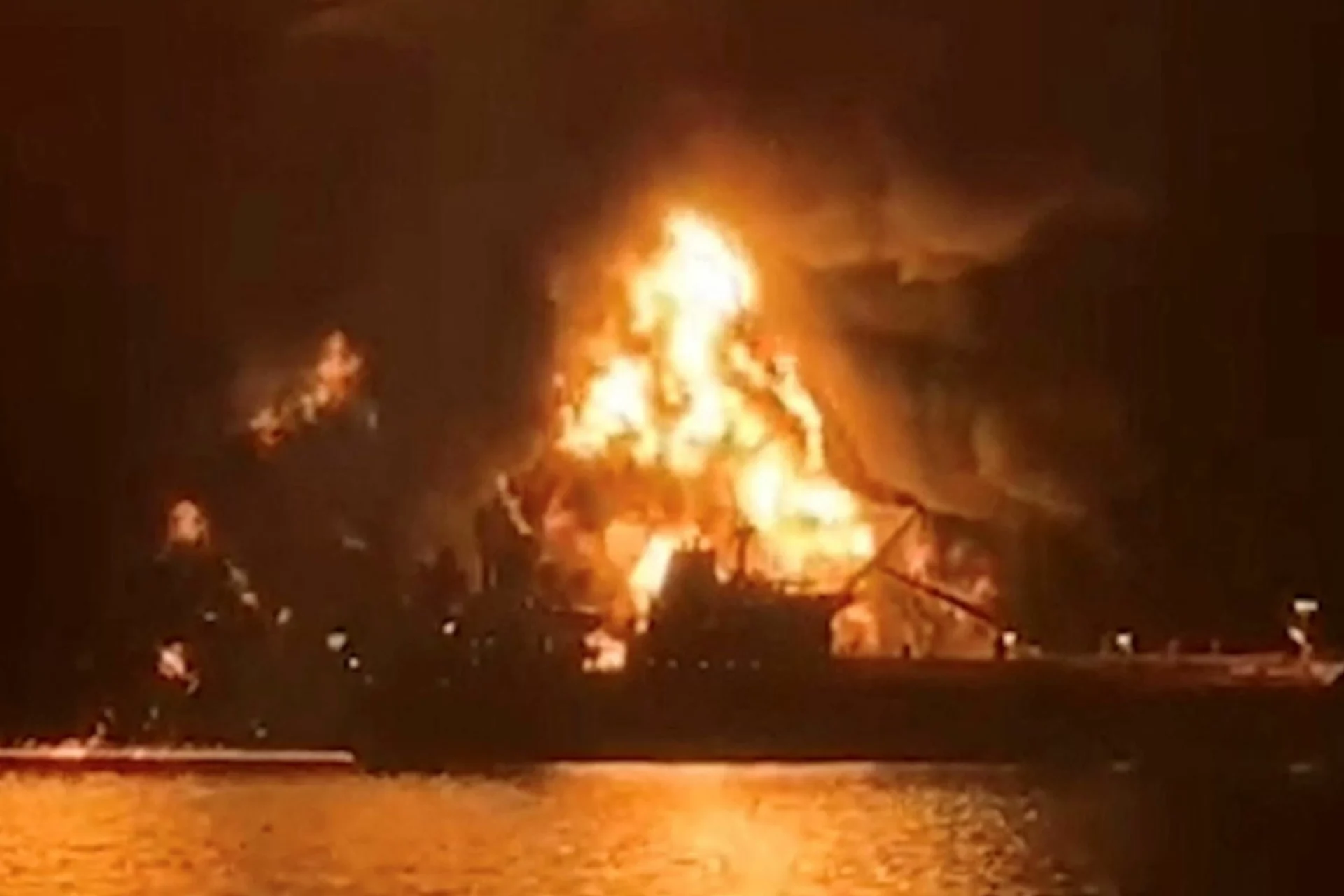
The strait’s strategic location has also made it a focal point for political tension and conflict. The ongoing political instability in the region, particularly between Iran and the United States, has raised concerns about the safety and security of the strait. In recent years, there have been several incidents of attacks on oil tankers passing through the strait, further highlighting the vulnerability of this crucial waterway.
Despite these challenges, the Strait of Hormuz continues to play a vital role in the global economy. Its strategic location has made it a hub for international trade, connecting the Middle East to Asia, Europe, and beyond. The strait’s importance has also led to the development of infrastructure and facilities to support the transportation of oil and other commodities, creating jobs and boosting the local economy.
The Strait of Hormuz is not only significant for its role in the global economy but also for its environmental impact. The waterway is home to a diverse ecosystem, including coral reefs, marine life, and migratory birds. Any disruption to the flow of oil through the strait could have catastrophic consequences for this delicate ecosystem, affecting the livelihoods of local communities and the environment as a whole.
In recent years, there have been efforts to reduce the world’s dependence on oil and find alternative sources of energy. However, the reality is that oil continues to be a crucial component of the global economy, and the Strait of Hormuz remains a critical route for its transportation. As such, it is essential to ensure the safety and security of this vital waterway to maintain the stability of the global economy.
In conclusion, the Strait of Hormuz plays a crucial role in the global economy, with approximately a fifth of the world’s oil supply passing through its narrow waters. Its strategic location and importance have made it a focal point for political tension, but efforts must be made to ensure its safety and security. As we continue to rely on oil for our daily needs, the Strait of Hormuz will remain a vital lifeline, and its significance cannot be overlooked.
