
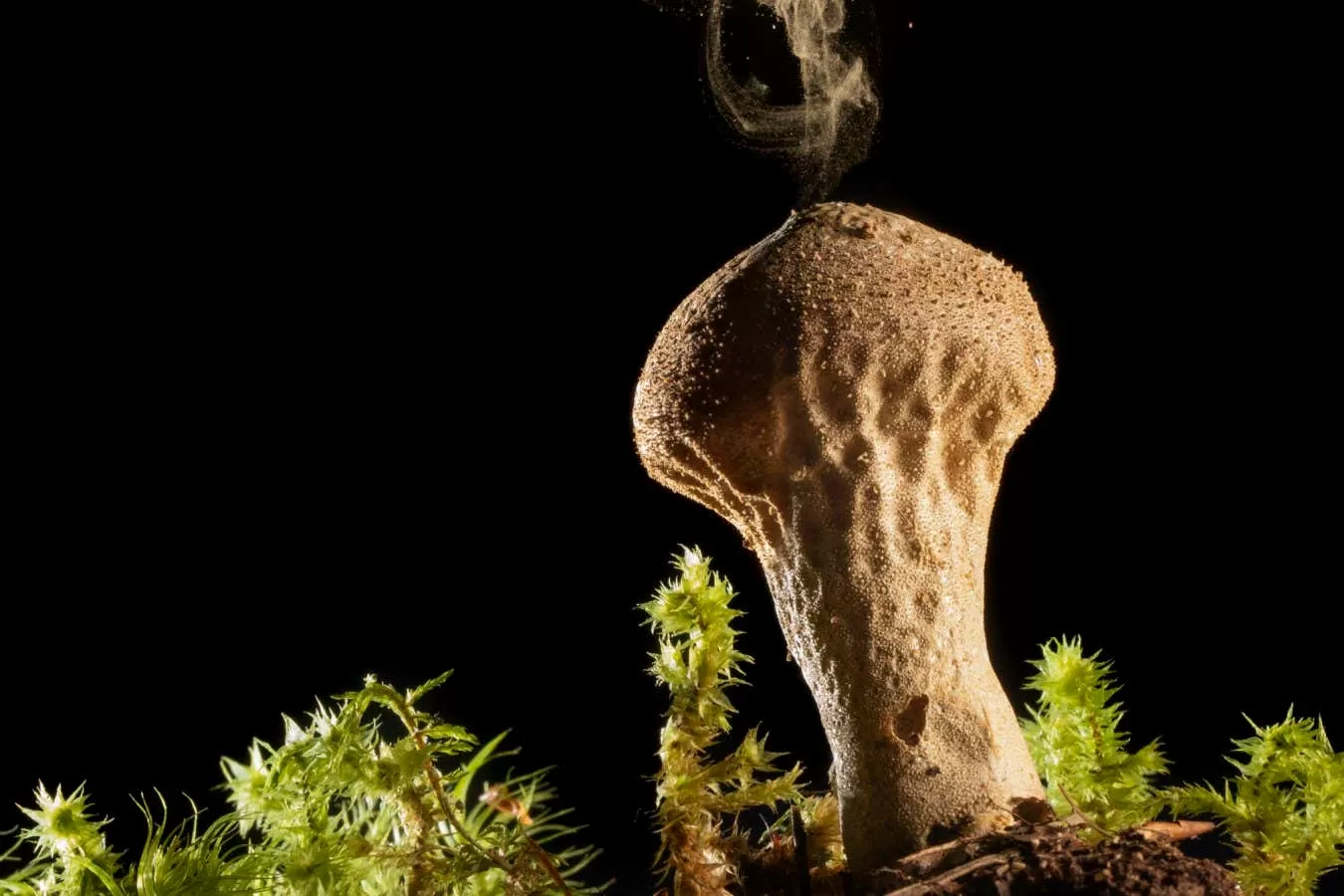
Mushrooms have been a part of human history for thousands of years, but it wasn’t until recently that their true importance was discovered by archaeologists. These seemingly humble fungi have played a pivotal role in shaping civilizations throughout the ages, and their impact cannot be underestimated.
For centuries, mushrooms have been used by ancient humans for various purposes. From food and medicine to religious rituals and cultural practices, these versatile organisms have been an integral part of human life. However, it wasn’t until the last few decades that archaeologists began to uncover the true significance of mushrooms in human history.
One of the earliest and most well-known uses of mushrooms was as a food source. In ancient cultures such as those in Egypt, Greece, and Rome, mushrooms were considered a delicacy and were often reserved for the ruling elite. They were also used in traditional medicine, with evidence of their medicinal properties found in ancient texts from China and India.
But it wasn’t just their culinary and medicinal uses that made mushrooms important in ancient societies. Archaeological evidence has shown that mushrooms were also used in religious ceremonies and rituals. In some cultures, they were believed to have mystical and spiritual properties, and were used in shamanic practices to induce altered states of consciousness. This further highlights the significance of mushrooms in shaping human beliefs and cultural practices.
In addition to their cultural and spiritual importance, mushrooms also played a crucial role in agriculture and trade. In ancient China, mushrooms were cultivated and traded as a valuable commodity, and were even used as a form of currency. The Aztecs in Central America also cultivated and consumed mushrooms, and they were considered a symbol of wealth and prosperity.
But perhaps the most surprising discovery made by archaeologists is the role of mushrooms in the development of early human societies. Recent studies have shown that mushrooms played a crucial role in the evolution of human intelligence. The consumption of mushrooms, which are rich in nutrients and vitamins, is believed to have contributed to the growth of the human brain and the development of cognitive abilities.
Furthermore, mushrooms have been found to have a symbiotic relationship with plants, providing essential nutrients and aiding in their growth. This discovery has shed light on the agricultural practices of ancient civilizations and how they were able to sustain their populations.
The use of mushrooms in ancient societies also had a significant impact on the environment. As humans began to cultivate and consume mushrooms, they inadvertently helped in the dispersal of spores, contributing to the growth and spread of these organisms. This, in turn, had a positive effect on the ecosystem, promoting biodiversity and enhancing soil fertility.
The recent discoveries made by archaeologists have highlighted the pivotal role of mushrooms in shaping human civilization. From their use in food, medicine, and cultural practices to their impact on agriculture, trade, and the environment, mushrooms have been an integral part of human history.
In conclusion, mushrooms have been a vital part of human life for thousands of years, and their importance cannot be underestimated. The recent findings by archaeologists have shed new light on the significant role these fungi played in shaping ancient civilizations. As we continue to uncover more about their uses and benefits, it is clear that mushrooms will continue to play a pivotal role in our lives, both in the past and in the future.
