
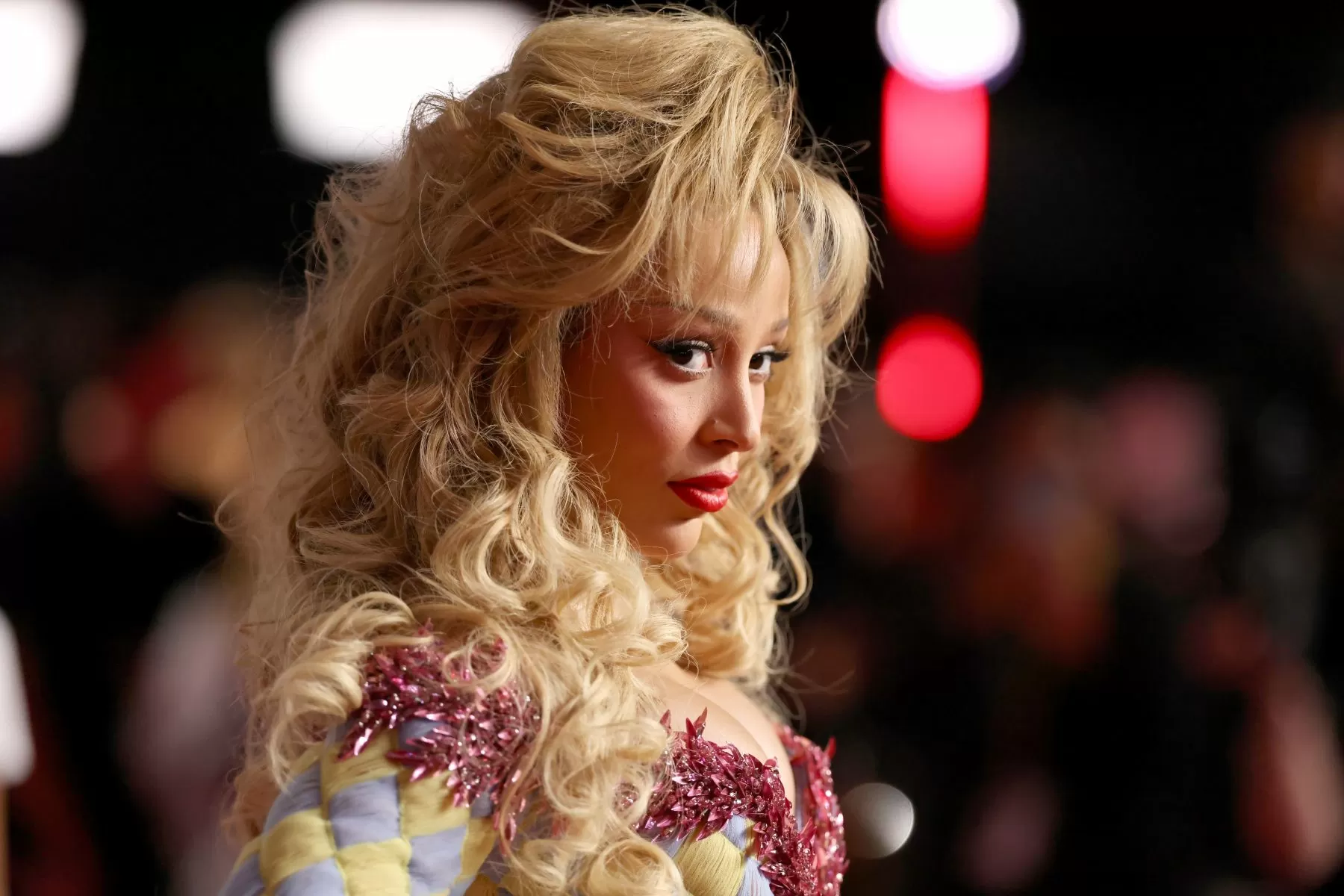
“Hey, by the way, opera is 400 years old, ballet is 500 years old,” she said in a since-deleted TikTok. These words may seem simple, but they hold a powerful truth. Opera and ballet, two of the oldest and most beloved forms of performing arts, have been enchanting audiences for centuries. And yet, their magic and allure continue to captivate us to this day.
It is often said that music is the universal language, but opera takes that notion to a whole new level. With its combination of music, drama, and dance, opera has the power to transport us to different worlds and evoke a range of emotions. It is a timeless art form that transcends language barriers, cultural differences, and even time itself.
The origins of opera can be traced back to Italy in the late 16th century, making it over 400 years old. The term opera, which means “work” in Italian, was first used to describe the combination of music and drama in the late 16th century. However, it wasn’t until the early 17th century that opera became an established art form with its own distinct style and structure.
The first known opera, “Dafne” by Jacopo Peri, was performed in Florence in 1598. It was followed by Claudio Monteverdi’s “Orfeo” in 1607, which is considered the first great opera. From then on, opera spread throughout Europe, gaining popularity and evolving into different styles such as Italian opera, French opera, and German opera.
One of the most notable composers in the history of opera is Wolfgang Amadeus Mozart. His operas, including “The Marriage of Figaro,” “Don Giovanni,” and “The Magic Flute,” are still widely performed and celebrated today. Mozart’s genius and mastery of music elevated opera to new heights and solidified its place in the history of performing arts.
The beauty of opera lies not only in its music but also in its ability to tell stories in a grand and theatrical manner. It requires a team of talented individuals, including singers, musicians, stage directors, set designers, and costume designers, to bring a production to life. Together, they create a visual and auditory spectacle that lingers in the hearts and minds of the audience long after the final curtain call.
Ballet, on the other hand, is a form of dance that has been enchanting audiences for over 500 years. It originated in the Italian Renaissance courts of the 15th and 16th centuries and quickly spread throughout Europe. It was during the 17th century that ballet as we know it today began to take shape in France, with the establishment of the Académie Royale de Danse in 1661.
Like opera, ballet is a collaborative art form that combines music, dance, and storytelling. It requires not only technical skill but also grace, strength, and emotion from the dancers. The dancers’ movements, along with the music and stage design, create a mesmerizing and captivating experience for the audience.
Over the years, ballet has evolved into different forms and styles, each with its own unique techniques and choreography. The classical ballet style, which originated in the 19th century, is still widely performed and revered today. However, modern ballet, which incorporates different movements and styles, has also gained popularity in recent years.
One of the most famous and influential ballets of all time is “Swan Lake” by Pyotr Ilyich Tchaikovsky. Premiering in 1877, it tells the story of a princess who is turned into a swan by an evil sorcerer’s curse. The music, choreography, and stunning costumes and sets make “Swan Lake” a timeless classic that continues to fascinate audiences worldwide.
In a world where trends come and go, opera and ballet have stood the test of time. They have survived wars, revolutions, and the ever-changing landscape of the performing arts. And yet, they continue to be cherished and celebrated by audiences around the world.
In a since-deleted TikTok video, a young woman reminded us of the long and rich history of opera and ballet. And her words serve as a powerful reminder of the enduring beauty and significance of these art forms. So, the next time you attend an opera or ballet performance, take a moment to appreciate the centuries of dedication, talent, and passion that have gone into
