
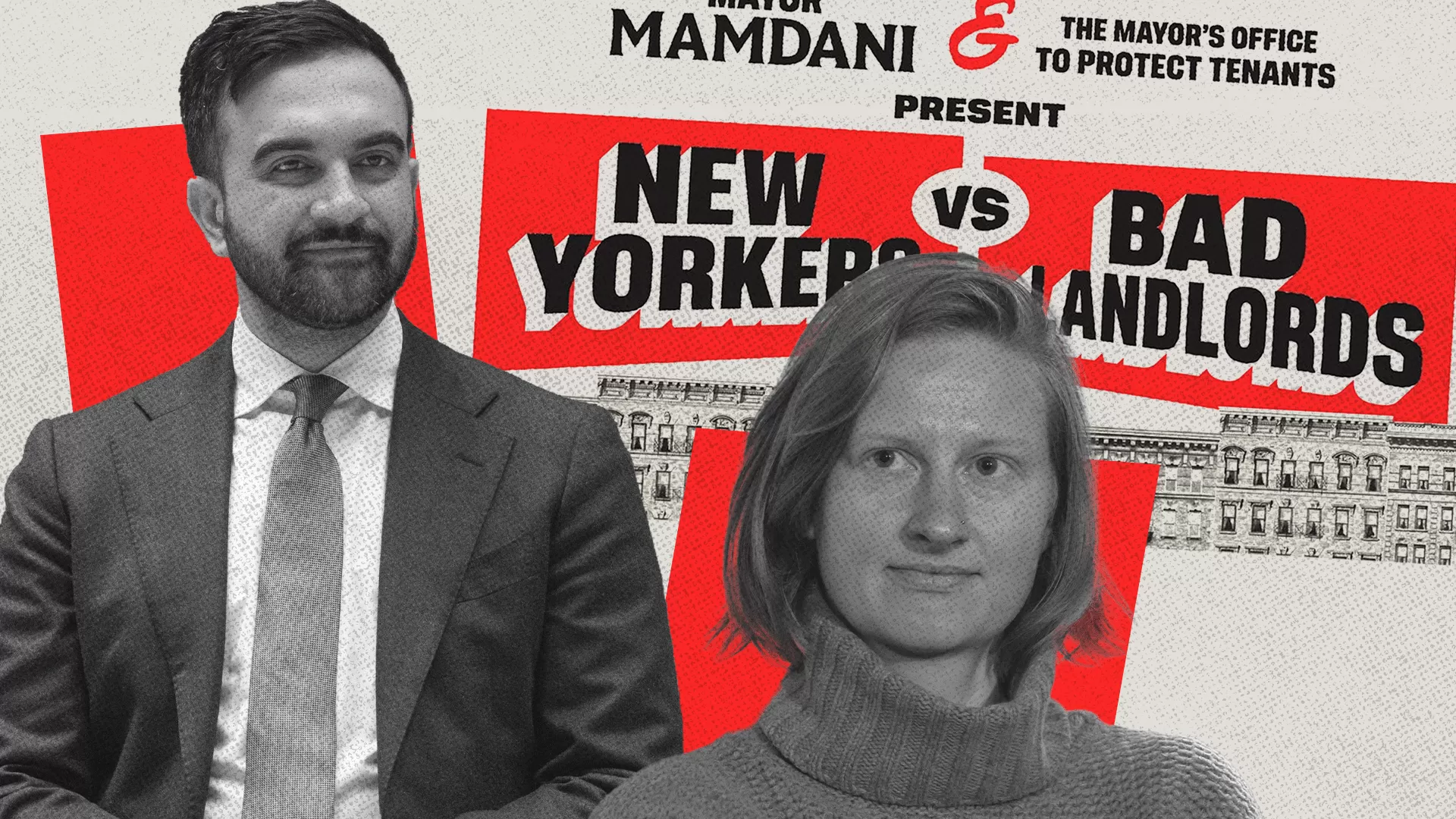
In recent years, it seems that demonizing landlords has become a popular pastime on social media. From viral tweets to scathing memes, it seems that everyone has something to say about the perceived greed and heartlessness of those who own rental properties. While it may make for good social media content, the reality is that demonizing landlords does nothing to address the root causes of why housing in New York City is so expensive.
First and foremost, it is important to acknowledge that housing in New York City is indeed expensive. As someone who has lived in the city for years, I can attest to the high cost of rent and the challenges of finding an affordable place to live. However, it is important to look beyond the surface and understand the reasons behind this high cost.
One of the main factors driving up the cost of housing in New York City is the complex web of regulations that landlords must navigate. From building codes to rent control laws, New York has some of the most stringent regulations in the country when it comes to housing. While these regulations may have been put in place with good intentions, they often have unintended consequences that end up hurting both landlords and tenants.
For example, rent control laws may seem like a great way to protect tenants from rising rents, but they actually discourage landlords from making necessary repairs and improvements to their properties. After all, if they are unable to raise the rent to cover the costs, why would they invest in the upkeep of their properties? This can lead to a cycle of deteriorating housing conditions, ultimately hurting the tenants who are supposed to benefit from the regulations.
Moreover, the high cost of complying with these regulations is often passed on to tenants in the form of higher rent. Landlords are running a business, and like any other business, they need to cover their expenses and make a profit. When faced with high taxes, fees, and compliance costs, it is only natural that they would pass those costs on to the tenants. This is not a sign of greed, but rather a basic economic principle.
So why do we continue to demonize landlords instead of addressing the real issue at hand? Part of the reason may lie in the fact that it is easier to blame a single group of people rather than taking a hard look at the complex system that is causing the problem. It is also easy to forget that landlords are not some faceless entity, but rather individuals who have invested their hard-earned money into properties and are trying to make a living.
Of course, there are certainly bad landlords out there who do take advantage of their tenants and engage in unethical practices. However, it is unfair to paint all landlords with the same brush and ignore the majority who are just trying to run a business and provide a service.
So what can we do to address the high cost of housing in New York City? One solution would be to take a more balanced approach to regulations. We need to find a way to protect tenants while also allowing landlords to operate their businesses without excessive burdens. This could include streamlining the regulatory process, providing tax incentives for landlords who invest in their properties, and finding alternative ways to protect tenants from rising rents.
We also need to acknowledge that the solution to this problem does not lie solely with landlords. As members of society, we all have a role to play in creating affordable housing. This could mean advocating for policy changes, supporting initiatives to increase affordable housing options, or even just being a good tenant and taking care of the property we are renting.
In conclusion, demonizing landlords may make for good social media content, but it does nothing to address the complex regulations that are driving up the cost of housing in New York City. Instead of casting blame, let us work together to find solutions that benefit both landlords and tenants. Only then can we truly tackle the issue of expensive housing and create a more equitable and thriving city for all.
