
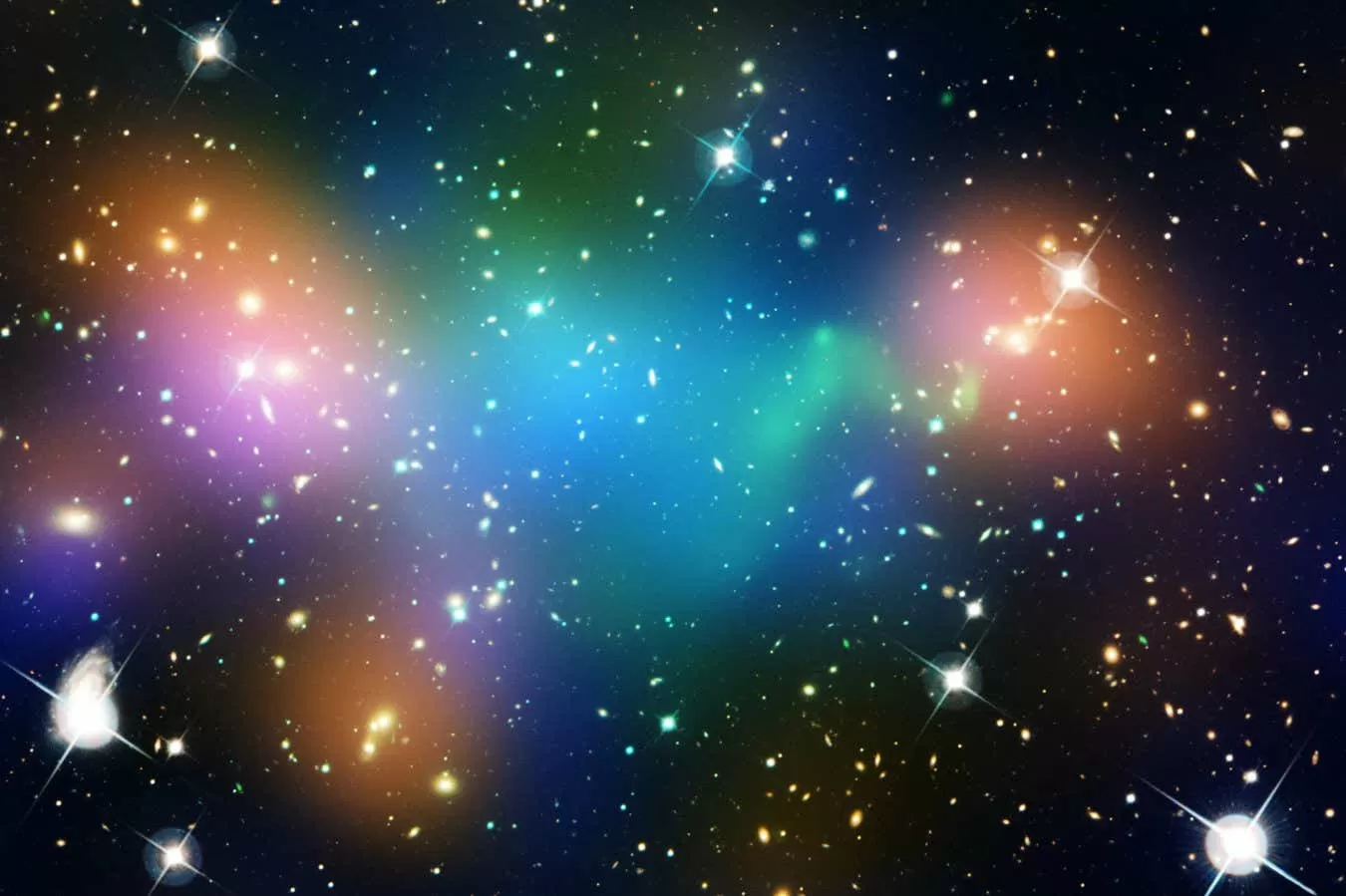
Whether you call it a vibe shift or a paradigm shift, one thing is certain: physicists must be ready to challenge their fundamental understanding of the universe without fear or nostalgia. As we continue to make groundbreaking discoveries and push the boundaries of science, it is crucial that we remain open-minded and adaptable to new ideas and theories.
The concept of a paradigm shift was first introduced by Thomas Kuhn in his book “The Structure of Scientific Revolutions”. He defined it as a fundamental change in the way we view and understand the world. It is a shift from one dominant scientific theory to another, often accompanied by resistance and controversy. However, these shifts are necessary for progress and advancement in any field, especially in the ever-evolving world of physics.
In recent years, we have witnessed several paradigm shifts in the field of physics. One of the most notable examples is the shift from Newtonian mechanics to Einstein’s theory of relativity. This shift completely revolutionized our understanding of space, time, and gravity. It was met with skepticism and opposition, but eventually, it became widely accepted and paved the way for further discoveries.
Another significant paradigm shift was the development of quantum mechanics, which challenged the traditional laws of physics and introduced a new way of understanding the behavior of particles at a subatomic level. This shift has led to groundbreaking technologies such as transistors, lasers, and computers, and has opened up new avenues for research and exploration.
But as we continue to unravel the mysteries of the universe, it is inevitable that we will encounter more paradigm shifts. And with each shift, there will be resistance from those who are comfortable with the current understanding and fear the unknown. However, it is essential to remember that these shifts are not a threat, but an opportunity for growth and progress.
As physicists, it is our responsibility to embrace these shifts and challenge our own beliefs and theories. We must be willing to let go of old ideas and embrace new ones, no matter how unconventional they may seem. This requires a certain level of open-mindedness and flexibility, which are crucial traits for any scientist.
Moreover, nostalgia for the past can hinder our ability to move forward. It is natural to feel attached to theories and ideas that we have spent years studying and researching. However, we must not let this attachment cloud our judgment and prevent us from exploring new possibilities. As the famous physicist, Richard Feynman said, “Science is the belief in the ignorance of experts.” We must be willing to question even the most established theories and be open to the idea that we may not have all the answers.
Furthermore, with the rapid advancements in technology, we now have access to more data and information than ever before. This means that our understanding of the universe is constantly evolving, and we must be ready to adapt to new evidence and observations. The recent discovery of gravitational waves is a perfect example of how technology has allowed us to confirm a theory that was proposed over a century ago by Einstein.
In conclusion, whether we call it a vibe shift or a paradigm shift, it is crucial for physicists to be ready to challenge their fundamental understanding of the universe. We must not be afraid to let go of old theories and embrace new ones, even if they seem unconventional. As we continue to push the boundaries of science, it is essential to remain open-minded, adaptable, and always ready to question our own beliefs. Only then can we truly make groundbreaking discoveries and advance our understanding of the universe.
