
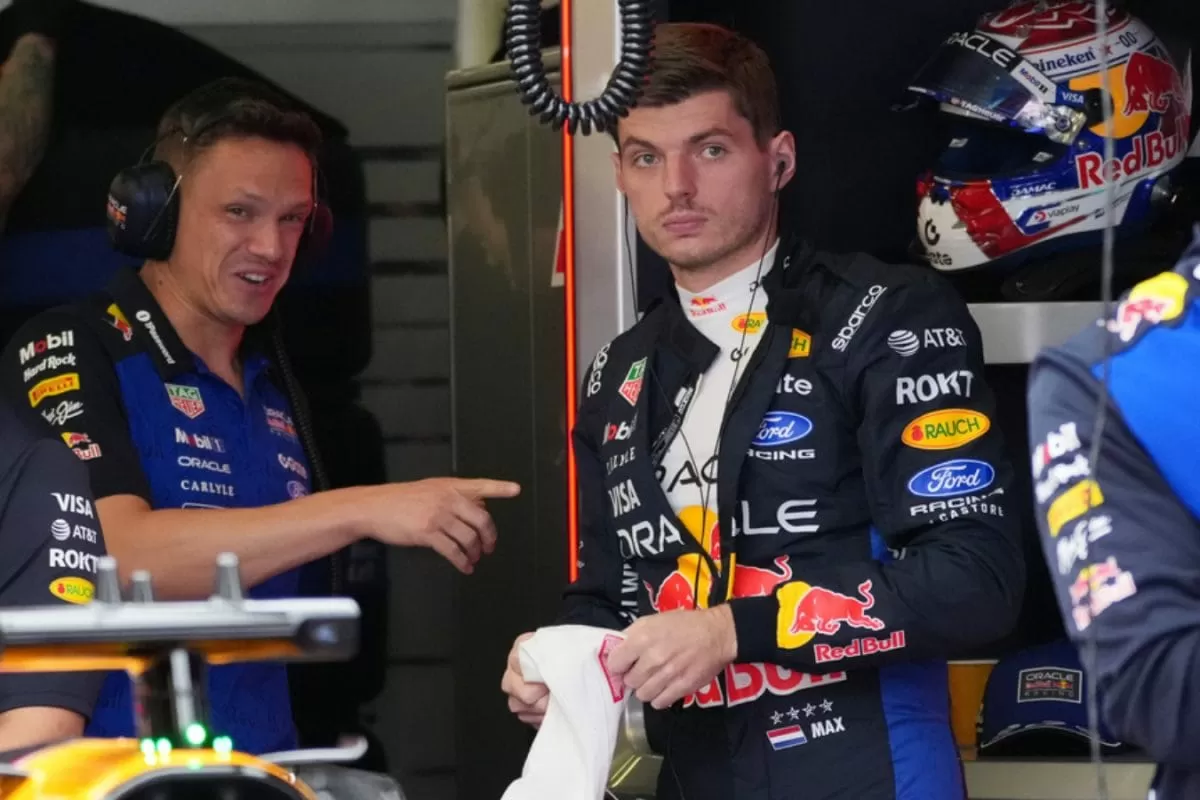
Max Verstappen, one of the most talented and outspoken drivers in Formula 1, has recently made headlines with his criticism of the sport’s 2026 regulations. In an interview with a leading motorsport magazine, the Dutch driver expressed his concerns about the direction in which F1 is heading, calling the new regulations “anti-racing” and comparing them to “Formula E on steroids.”
Verstappen’s comments have sparked a heated debate among fans and experts alike, with many questioning the impact of these regulations on the future of the sport. But before we delve into the details of his criticism, let’s first understand what these regulations are all about.
The 2026 regulations, also known as the “Next Generation” rules, were announced by the FIA (Fédération Internationale de l’Automobile) in October 2021. These regulations aim to make F1 more sustainable, affordable, and competitive by introducing new engine and aerodynamic rules. The key changes include the introduction of a new hybrid power unit, a standardized chassis, and simplified aerodynamics.
While these changes have been welcomed by some as a step towards a greener and more exciting F1, Verstappen is not convinced. In his interview, he expressed his disappointment with the new regulations, stating that they are “killing the essence of racing.” He believes that the standardized chassis and simplified aerodynamics will make the cars too similar, taking away the competitive edge and making it difficult for drivers to overtake.
Verstappen also criticized the new hybrid power unit, stating that it will make F1 cars sound like “vacuum cleaners.” He believes that the iconic sound of the current V6 turbo engines is an essential part of the F1 experience and that the new power unit will take away the thrill and excitement of the sport.
But perhaps the most controversial part of Verstappen’s criticism was his comparison of the 2026 regulations to “Formula E on steroids.” For those unfamiliar, Formula E is a fully electric racing series that has gained popularity in recent years. Verstappen’s comment suggests that the new regulations will make F1 cars too quiet and slow, similar to the electric cars in Formula E.
While Verstappen’s comments may seem harsh, they do raise valid concerns about the future of F1. The sport has always been known for its high-speed, adrenaline-fueled races, and any changes that compromise this aspect may not sit well with fans. However, it is also essential to note that the 2026 regulations are still in the development stage, and there is room for improvement and adjustments.
In response to Verstappen’s criticism, FIA President Jean Todt stated that the new regulations are necessary for the long-term sustainability of the sport. He also emphasized that the FIA is open to feedback and will continue to work with teams and drivers to find the right balance between sustainability and excitement.
It is also worth mentioning that Verstappen’s criticism is not entirely unfounded. In recent years, F1 has seen a decline in viewership and attendance, and the new regulations may not help in reversing this trend. However, it is also essential to consider the bigger picture and the need for F1 to adapt to the changing times and become more environmentally friendly.
In conclusion, Max Verstappen’s criticism of F1’s 2026 regulations has sparked an important conversation about the future of the sport. While his comments may have been harsh, they do highlight the concerns of many fans and drivers. It is now up to the FIA and the teams to find a balance between sustainability and the essence of racing to ensure that F1 continues to thrive in the years to come.
