
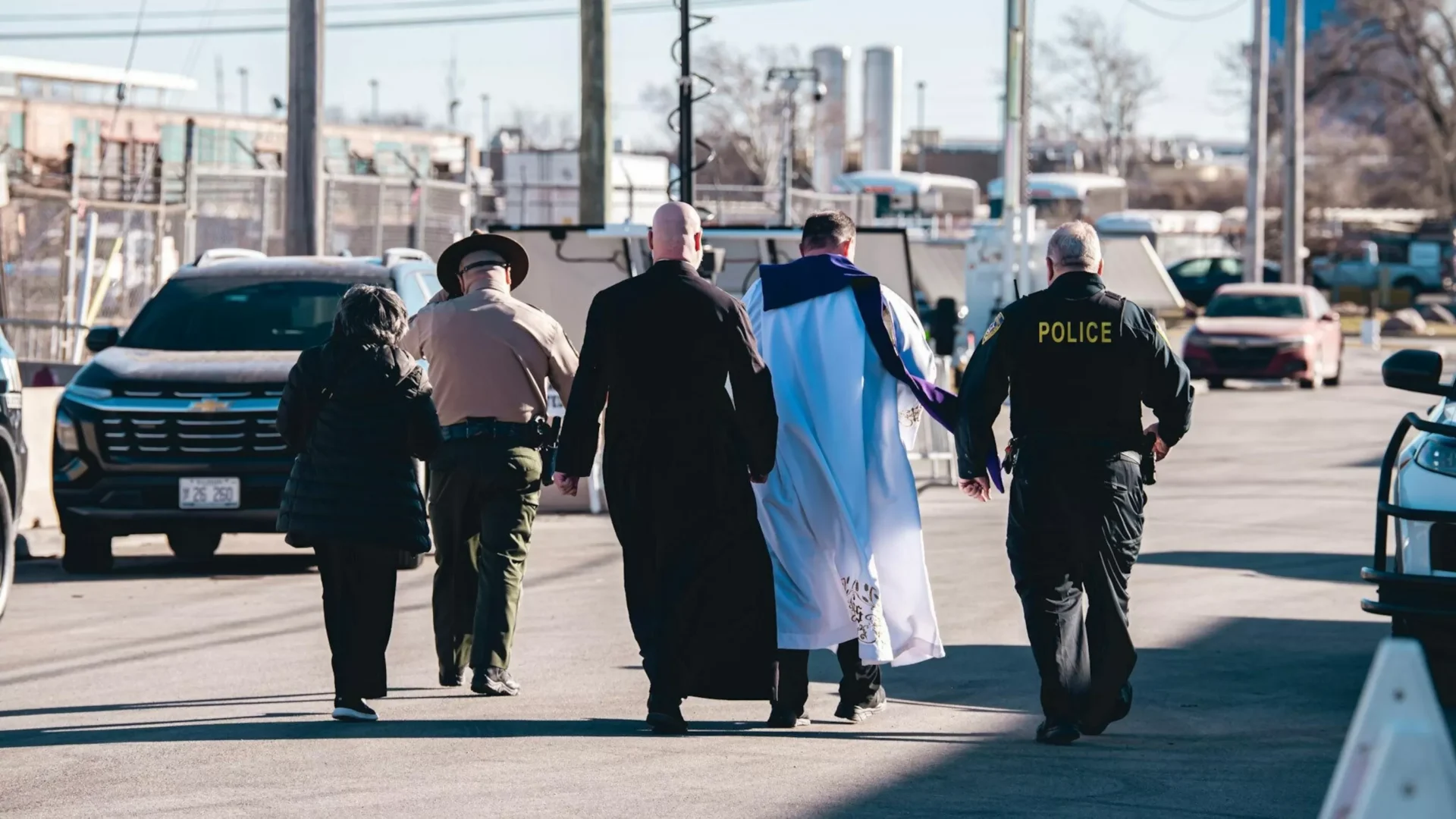
Faith Leaders Ministering to Detained Migrants: A Controversial yet Crucial Role
In recent years, the issue of immigration and the treatment of detained migrants has become a hotly debated topic. As the number of migrants seeking refuge and asylum in different parts of the world continues to rise, so does the need for support and assistance. In this challenging and often contentious landscape, faith leaders have stepped up to play a crucial role in ministering to detained migrants. However, this role has not been without its controversies.
The role of faith leaders in providing spiritual and emotional support to detained migrants is not a new one. For centuries, religious organizations and leaders have been at the forefront of providing aid and comfort to those in need, including migrants and refugees. However, in recent times, this role has become far more contentious, with some questioning the motives and actions of faith leaders in this space.
One of the main reasons for this increased scrutiny is the polarizing political climate surrounding immigration. With governments and policymakers taking hardline stances on immigration policies, faith leaders who advocate for the rights and well-being of migrants are often seen as being on the opposite side of the political spectrum. This has led to accusations of bias and even interference in political matters.
Another factor contributing to the contentious nature of faith leaders ministering to detained migrants is the complex and often delicate nature of the situation. Detained migrants are often in a vulnerable and traumatic state, having fled their homes and faced numerous challenges before reaching their current situation. This can make it difficult for faith leaders to navigate their role without causing further harm or exacerbating existing tensions.
Despite these challenges, faith leaders have continued to play a vital role in ministering to detained migrants. They provide much-needed emotional and spiritual support, offering a sense of hope and comfort to those who have been through unimaginable experiences. In many cases, faith leaders are the only source of support and guidance for detained migrants, who may have been separated from their families and communities.
Moreover, faith leaders also play a crucial role in advocating for the rights and dignity of detained migrants. They bring attention to the often inhumane conditions in detention centers and speak out against any injustices or violations of human rights. This advocacy work is essential in holding governments and authorities accountable for their treatment of detained migrants.
In addition to providing support and advocacy, faith leaders also facilitate important connections for detained migrants. They often act as a bridge between the detained individuals and their families, helping to maintain communication and provide updates on their well-being. This connection to the outside world can be a lifeline for detained migrants, who may feel isolated and alone in their current situation.
Furthermore, faith leaders also work towards creating a sense of community and belonging for detained migrants. Through religious services, support groups, and other activities, they help to foster a sense of togetherness and solidarity among those who are detained. This is especially important for migrants who may have been separated from their families and communities, providing them with a sense of belonging and purpose.
It is also worth noting that faith leaders do not discriminate when it comes to ministering to detained migrants. They provide support and assistance regardless of a person’s religious beliefs, nationality, or legal status. This inclusive approach is a testament to the compassionate and humanitarian nature of faith leaders, who prioritize the well-being of all individuals in need.
In conclusion, the role of faith leaders in ministering to detained migrants may be contentious, but it is also crucial. They provide much-needed support, advocacy, and community for those who are often forgotten and marginalized. Despite the challenges and criticisms they may face, faith leaders continue to fulfill their duty to serve and care for those in need. As we navigate the complex and ever-evolving landscape of immigration, let us not forget the invaluable contributions of faith leaders in ministering to detained migrants.
