
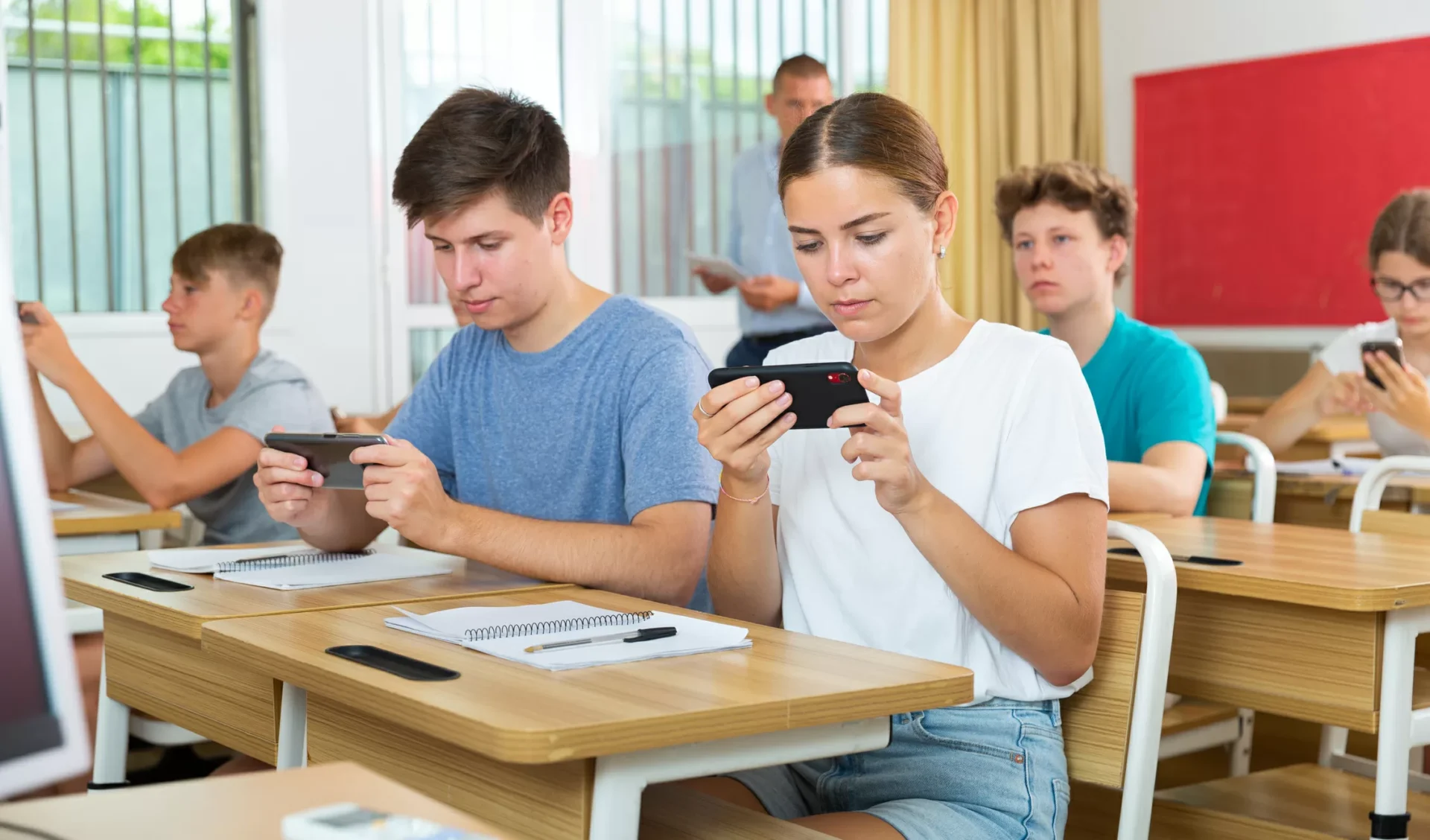
A Classroom Debate: Students vs. Teachers on Smartphone Use in School and Future Jobs
In today’s digital age, smartphones have become an integral part of our daily lives. From staying connected with friends and family to accessing information at our fingertips, these devices have revolutionized the way we communicate and learn. However, their use in schools has sparked a heated debate between students and teachers, with each side having a different perspective on the matter.
Recently, a classroom debate over phone rules brought to light the stark contrast in opinions between students and teachers. The discussion was centered around the use of smartphones in school and how it could impact students’ future jobs. While some argued that smartphones should be banned in schools, others believed that they could be used as a valuable learning tool. As the debate unfolded, it became clear that students and teachers had vastly different views on the role of smartphones in education and the workplace.
On one hand, students argued that smartphones are an essential part of their lives and should be allowed in schools. They pointed out that these devices are not just for entertainment, but also serve as a means of communication and access to information. With the increasing use of technology in the workplace, students believed that learning to use smartphones responsibly in school would prepare them for their future jobs. They also argued that banning smartphones would hinder their ability to stay connected with their peers and family, causing them to feel isolated and disconnected.
On the other hand, teachers expressed concerns about the negative impact of smartphones on students’ academic performance. They believed that the constant use of these devices in class could be a distraction and hinder students’ ability to focus and learn. They also raised concerns about the potential for cyberbullying and the misuse of social media during school hours. Moreover, teachers argued that in the professional world, the use of smartphones is limited and that students should learn to manage their time and prioritize their tasks without relying on these devices.
As the debate continued, it became evident that both students and teachers had valid points. While smartphones can be a valuable learning tool, they can also be a source of distraction and misuse. However, instead of completely banning them, a middle ground could be reached where the use of smartphones is regulated and monitored in schools.
One way to achieve this is by implementing a clear set of rules and guidelines for smartphone use in schools. This could include designated times for phone usage, such as during breaks or after class, and consequences for violating the rules. By doing so, students would learn to use their phones responsibly and understand the importance of balancing their time between schoolwork and technology.
Moreover, teachers could also incorporate smartphones into their lesson plans to make learning more engaging and interactive. With the vast amount of information available on the internet, students could use their phones to research and gather data for projects and assignments. This would not only enhance their learning experience but also prepare them for the use of technology in their future careers.
Furthermore, the debate also shed light on the different perspectives of students and teachers on the use of smartphones in future jobs. While students saw smartphones as an essential tool in the workplace, teachers emphasized the importance of developing other skills, such as critical thinking and problem-solving, which are crucial for success in any job. This highlights the need for a balance between technology and traditional learning methods in schools.
In conclusion, the classroom debate over phone rules revealed the contrasting views of students and teachers on the use of smartphones in school and future jobs. While students saw them as a valuable learning tool, teachers expressed concerns about their potential negative impact. However, by finding a middle ground and implementing clear guidelines for smartphone use, we can harness the benefits of technology while also promoting responsible usage. After all, in today’s digital world, it is essential to equip students with the necessary skills to succeed in both their academic and professional lives.
