
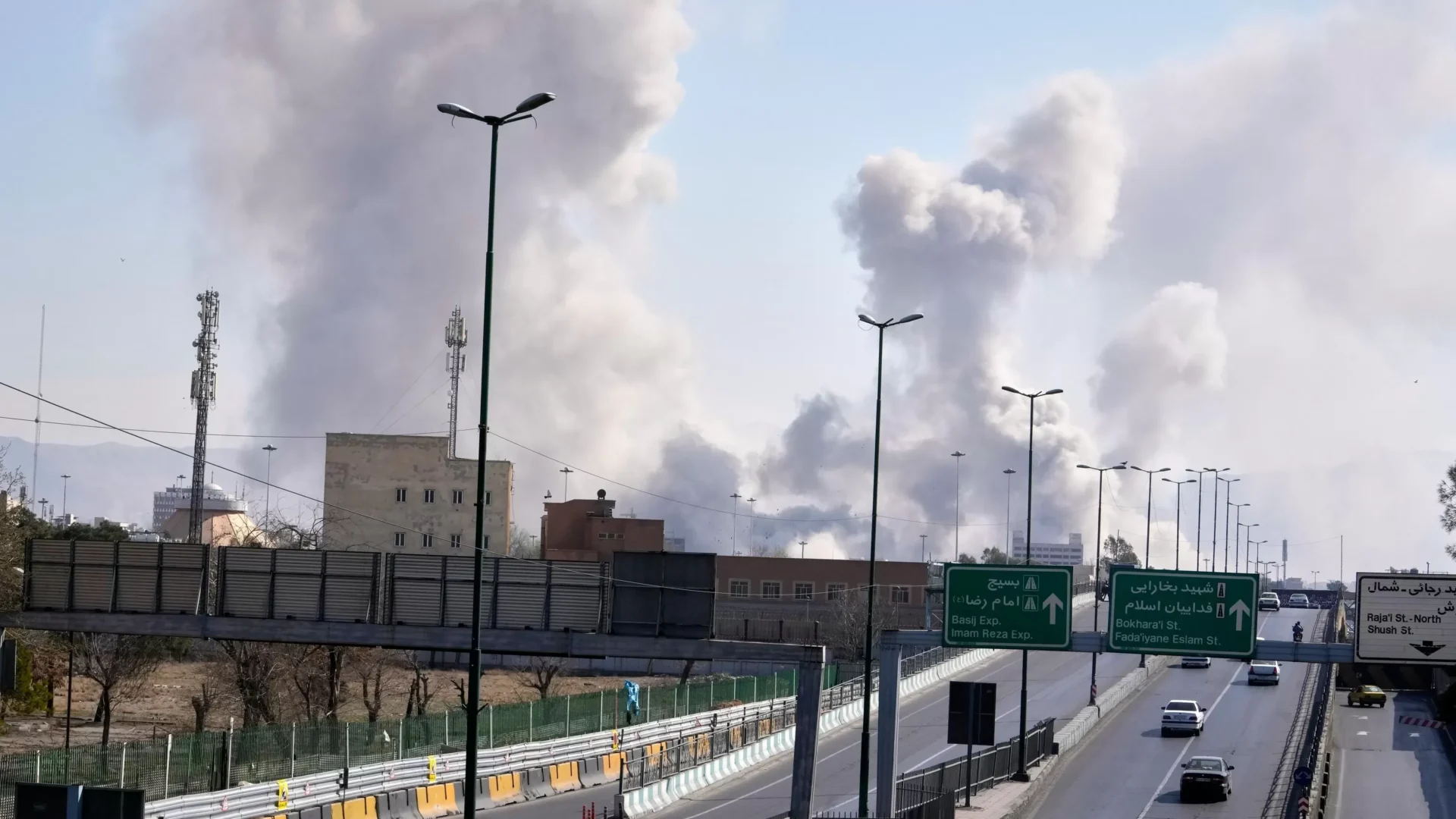
In the midst of the escalating tensions between Iran and the United States, a new battleground has emerged – the internet. With the rise of social media and the ease of sharing information, a deluge of misrepresented and fabricated videos has spread widely online since the Iran war began last weekend. These videos have been fueled in part by state-linked propaganda influence campaigns, particularly those aimed at shaping public perception of who is winning the war and how bad the casualties have been.
The power of social media to spread information, both accurate and false, has become undeniable. In the case of the Iran war, we have seen an alarming increase in the dissemination of misleading or completely false information through various online platforms. This has not only caused confusion and panic among the public, but it has also exacerbated the already tense situation between the two countries.
One of the main factors contributing to this flood of misinformation is the involvement of state-linked propaganda influence campaigns. These campaigns are often carried out by governments or other state actors with the goal of shaping public opinion in their favor. In the case of the Iran war, both the Iranian and US governments have been accused of spreading false information and manipulating videos to support their respective narratives.
One example of this is a video that went viral on social media showing what appeared to be a missile strike on a US military base in Iraq. The video was accompanied by a caption claiming that it was footage of an Iranian missile attack. However, it was later revealed that the video was actually from a video game and had been edited to make it seem real. This is just one of many instances where videos have been manipulated or misrepresented to push a certain agenda.
Another tactic used by these propaganda campaigns is the spread of fake news. In the past few days, there have been numerous reports of false casualty numbers and exaggerated claims of military successes by both sides. These reports, which have been shared widely on social media, have only added to the confusion and fear among the public.
The consequences of this deluge of misinformation are far-reaching. Not only does it sow discord and mistrust among people, but it also has the potential to escalate the conflict between Iran and the US. With tensions already at an all-time high, the spread of false information can easily lead to further misunderstandings and even violent reactions.
It is important for individuals to be vigilant and fact-check information before sharing it on social media. In times of crisis, it is easy to fall prey to sensationalized or manipulated videos and news articles. However, we must remember that our actions on social media can have real-world consequences.
In addition to individuals, social media platforms also have a responsibility to combat the spread of misinformation. Many of these platforms have taken steps to remove or flag false content, but more needs to be done. Governments and tech companies must work together to find solutions to this problem and prevent the spread of false information.
Moreover, it is crucial for the media to play a responsible role in reporting on the Iran war. In such a volatile situation, it is imperative that news outlets verify their sources and fact-check information before publishing it. Sensationalized or biased reporting only adds fuel to the fire and does a disservice to the public.
In conclusion, the deluge of misrepresented or fabricated videos surrounding the Iran war is a dangerous trend that must be addressed. The spread of false information through social media and other online platforms has the potential to worsen the already tense situation and cause harm to innocent people. It is up to all of us – individuals, governments, social media platforms, and the media – to take a stand against this trend and promote responsible use of information. Let us not allow fake news and propaganda to cloud our judgment and escalate conflicts. In the words of George Orwell, “During times of universal deceit, telling the truth becomes a revolutionary act.” Let us be revolutionaries and stand for the truth.
