
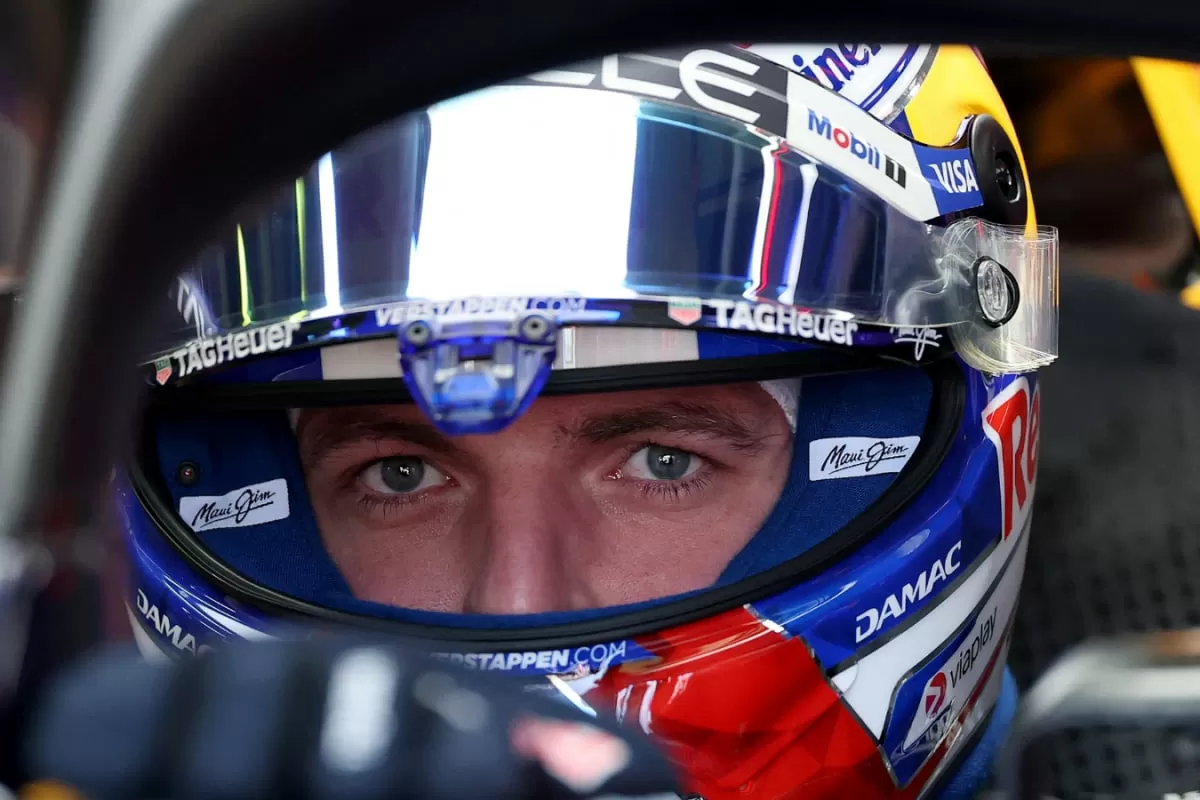
The world of Formula One (F1) has been buzzing with excitement and anticipation ever since the announcement of the 2026 F1 rules. The proposed changes in the regulations have stirred up a lot of debate and controversy among fans, drivers, and teams. The most talked-about change is the introduction of smaller, lighter cars with a 50/50 fuel-electric split. While some have welcomed this change with open arms, others, including top drivers Max Verstappen and Lewis Hamilton, have criticized it, calling it ‘anti-racing’. However, F1 President Stefano Domenicali has come forward to defend the changes, stating that they are necessary for the future of the sport.
The 2026 F1 rules aim to make the sport more sustainable and environmentally friendly by reducing the carbon footprint of the cars. The new regulations will require teams to use a 50/50 split of fuel and electric power, with the electric component being powered by sustainable energy sources. This move towards a more sustainable future has been applauded by many, including environmentalists and fans who want to see F1 take a step towards being more responsible.
However, not everyone is on board with these changes. Top drivers Max Verstappen and Lewis Hamilton have been vocal about their disapproval of the new rules. Verstappen, known for his aggressive driving style, has expressed concerns that the smaller and lighter cars will take away the thrill and excitement of racing. He believes that the cars will become too easy to drive, and the challenge of pushing them to their limits will be lost. Hamilton, a seven-time world champion, has also voiced his displeasure, stating that the changes will make F1 less competitive and turn it into a ‘spec series’.
Their comments have sparked a heated debate among fans and experts, with many questioning the impact of these changes on the sport. However, F1 President Domenicali has come forward to address these concerns and defend the changes. In an interview, he stated that the new rules are not aimed at making the sport less competitive or taking away the challenge for drivers. Instead, they are a necessary step towards a more sustainable future for F1. He also added that the new cars will still be challenging to drive, and the drivers will have to adapt their driving styles to suit the changes.
Domenicali also emphasized that the new regulations will bring about a more level playing field for all teams. With the current regulations, the top teams have a significant advantage over the smaller ones due to their larger budgets. However, with the introduction of the 50/50 fuel-electric split, the focus will shift towards developing efficient and sustainable power units, rather than spending exorbitant amounts on fuel. This will give smaller teams a chance to compete with the top teams, making the sport more exciting and unpredictable.
The F1 President also addressed the concerns about the cars becoming too easy to drive. He stated that the new regulations will not take away the challenge for drivers, but it will change the way they approach racing. With the emphasis on sustainable energy, drivers will have to be more strategic with their driving, managing their fuel and electric power throughout the race. This will require a different set of skills and tactics, making the sport more challenging and exciting.
Moreover, the smaller and lighter cars will also bring about a change in the aerodynamics, making it easier for cars to follow each other closely. This will lead to more wheel-to-wheel racing and overtaking, something that fans have been longing for. It will also reduce the reliance on aerodynamics, which has been a major factor in determining the performance of a car. This will level the playing field and make the sport more competitive.
In addition to the changes in the cars, the 2026 F1 rules also include a budget cap, which aims to make the sport more financially sustainable for teams. This will prevent the larger teams from spending excessive amounts of money, making it more challenging for smaller teams to compete. It will also ensure that the sport remains competitive and exciting for fans.
In conclusion, the 2026 F1 rules bring about significant changes that aim to make the sport more sustainable, competitive, and exciting. While some may have reservations about the smaller and lighter cars with a 50/50 fuel-electric split, F1 President Stefano Domenicali has reassured fans that the changes are necessary for the future of the sport. These changes will not only
