
Ohio’s Request to Narrow Range of Products Eligible Under SNAP
In recent years, there has been a growing concern over the Supplemental Nutrition Assistance Program (SNAP), also known as food stamps, and the types of products that are eligible for purchase with these benefits. Many states have been looking for ways to improve the program and ensure that it is being used for its intended purpose of providing nutritious food to those in need. Ohio is the latest state to join this effort, with a request to narrow the range of products eligible under SNAP.
This move by Ohio is part of a larger trend of states taking action to improve the effectiveness of SNAP. The program, which was created in 1964, provides food assistance to low-income individuals and families in the United States. While it has been successful in reducing food insecurity and improving the health of its beneficiaries, there have been concerns about the types of products that can be purchased with SNAP benefits.
Ohio’s request comes amid similar efforts in other states, such as Maine and New York, to limit the types of products that can be purchased with SNAP benefits. These efforts have been met with both support and criticism, with some arguing that it is necessary to ensure that SNAP is being used for nutritious food, while others believe it is an unnecessary restriction on personal choice.
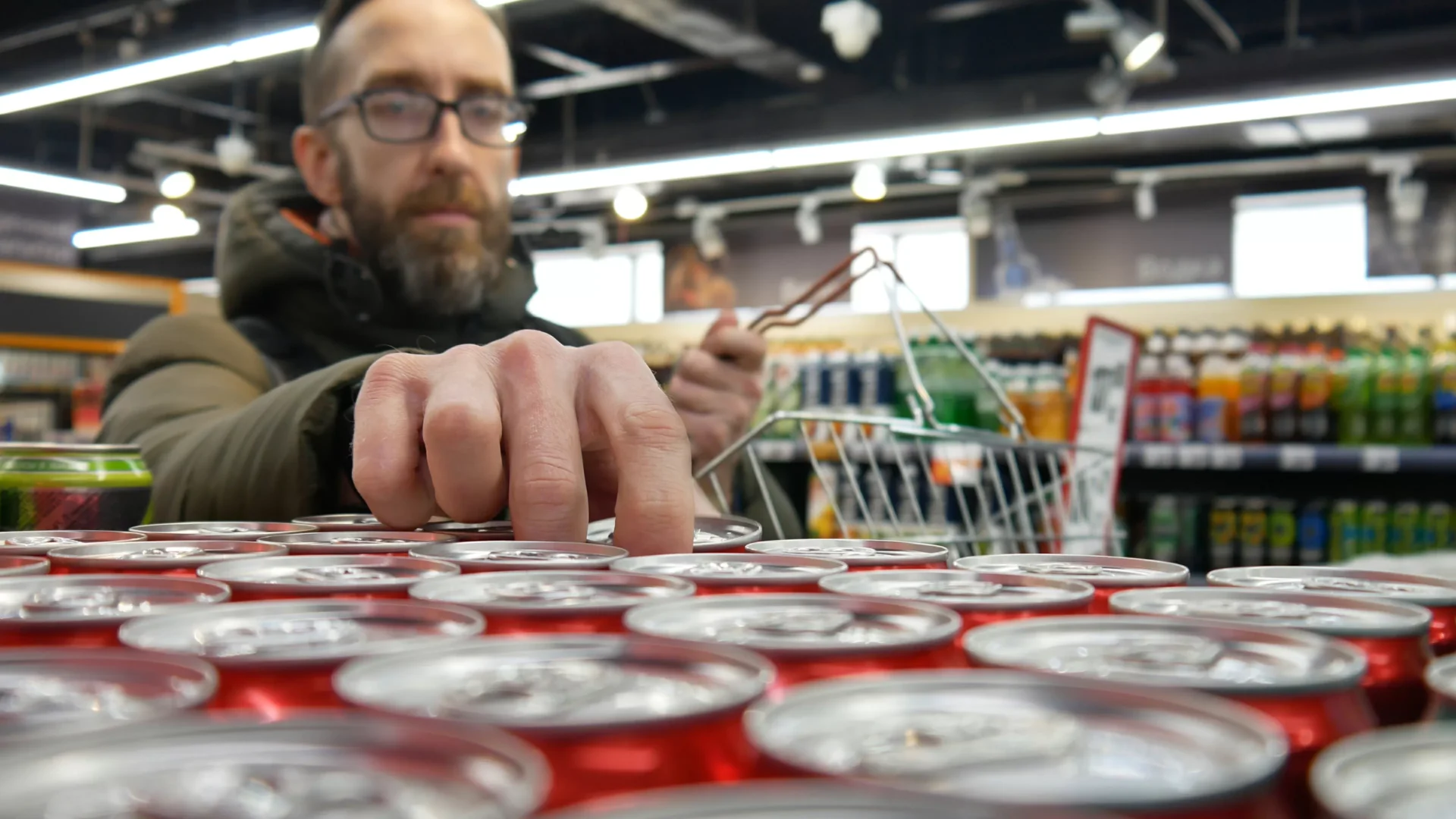
So, what exactly does Ohio’s request entail? The state is seeking to ban the purchase of certain items, such as soda, candy, and other unhealthy snacks, with SNAP benefits. This would mean that people using SNAP would no longer be able to buy these items at grocery stores or convenience stores. Instead, they would need to purchase them with their own money.
The rationale behind this request is to promote healthier eating habits among SNAP beneficiaries and to ensure that the program is being used for its intended purpose of providing nutritious food. According to the Ohio Department of Job and Family Services, nearly 40% of SNAP recipients in the state are obese, compared to 31% of the general population. This highlights the need for measures to encourage healthier food choices among SNAP beneficiaries.
Critics of this request argue that it unfairly targets low-income individuals and limits their food choices. They also argue that there is no evidence to suggest that limiting SNAP purchases will improve the health of its beneficiaries. However, supporters of the request point to studies that have shown a correlation between SNAP benefits and the consumption of unhealthy foods, as well as the potential cost savings for the state’s healthcare system in the long run.
Ohio’s request has received mixed reactions from the public. Some see it as a positive step towards promoting healthier lifestyles and improving the effectiveness of SNAP. Others view it as a hindrance to personal choice and an unnecessary burden on low-income individuals.
However, regardless of one’s stance on the issue, it is clear that there is a need for further discussion and action to improve the SNAP program. The program has been successful in providing food assistance to those in need, but there is room for improvement. Whether it is through limiting the types of products that can be purchased with SNAP benefits or implementing other measures, it is important to ensure that the program is being used effectively and efficiently.
In conclusion, Ohio’s request to narrow the range of products eligible under SNAP is a step towards improving the program and promoting healthier eating habits among its beneficiaries. While there may be differing opinions on the issue, it is important to continue the conversation and work towards finding solutions that will benefit all individuals involved. Ultimately, the goal should be to ensure that SNAP is fulfilling its purpose of providing nutritious food to those in need, while also promoting overall health and well-being.
