
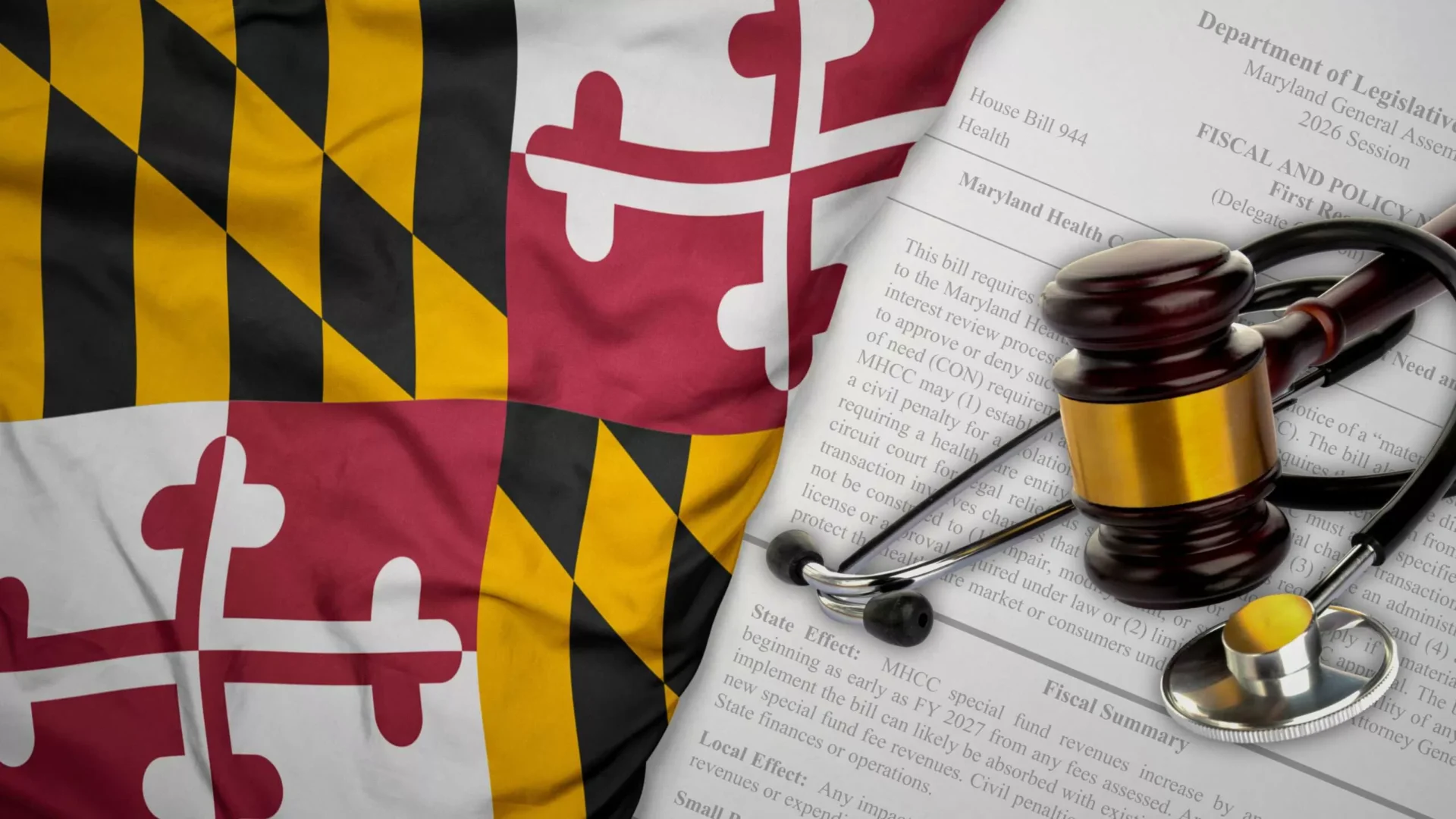
A new bill proposed in Maryland has sparked controversy and concern among medical professionals. The bill, if passed, could potentially make Maryland the most restrictive state in the country when it comes to healthcare.
According to one doctor, who wishes to remain anonymous, this bill could have serious consequences for patients and medical professionals alike. “This bill could drastically limit the options and treatments available to patients, and ultimately harm their health,” the doctor warns.
The proposed bill, known as the Patient Protection Act, aims to regulate and restrict certain medical procedures and treatments. Some of the key provisions include mandatory waiting periods for certain procedures, strict regulations on medication prescriptions, and limitations on certain types of surgeries.
While the intentions behind this bill may be well-meaning, many medical professionals are concerned that it could have a negative impact on patient care. The waiting periods, for example, could delay necessary medical procedures for patients in critical condition. This could potentially put their lives at risk.
In addition, the strict regulations on medication prescriptions could also limit the effectiveness of treatments for patients with chronic or severe illnesses. Doctors fear that this could result in a rise in preventable deaths and unnecessary suffering.
Furthermore, the bill also proposes limitations on certain types of surgeries, such as gender reassignment surgery. This has sparked outrage among the LGBTQ+ community and their allies, who argue that this would be a violation of their rights and could lead to discrimination against individuals seeking necessary medical care.
Many medical professionals have spoken out against the bill, stating that it goes against their duty to provide the best possible care for their patients. They argue that these restrictions could hinder their ability to treat their patients effectively and ethically.
The proposed bill has also drawn criticism for its lack of input from medical experts. Some doctors have expressed frustration that their voices and concerns have not been taken into consideration during the drafting of the bill.
Despite the backlash, the bill still has a chance of becoming law. However, many medical professionals and concerned citizens have banded together to oppose it. They have started a petition and organized rallies to raise awareness and urge lawmakers to reconsider the potential consequences of this bill.
In response to the criticism, the bill’s sponsor, Senator John Smith, has stated that the bill aims to protect patients and ensure their safety. He argues that these regulations are necessary to prevent malpractice and protect patients from potential harm.
However, many are not convinced by this argument and are calling for more discussion and collaboration between lawmakers and medical professionals to find a solution that benefits both patients and doctors.
It is clear that this proposed bill has caused quite a stir in the medical community and beyond. While the intentions behind it may be good, the potential consequences cannot be ignored. It is crucial for all parties involved to come together and find a solution that prioritizes patient care and respects the expertise of medical professionals.
In the meantime, concerned individuals can continue to voice their opposition to the bill and urge lawmakers to consider the potential harm it could cause. With collaboration and open communication, we can work towards a solution that benefits everyone and maintains Maryland’s reputation as a leader in healthcare.
