
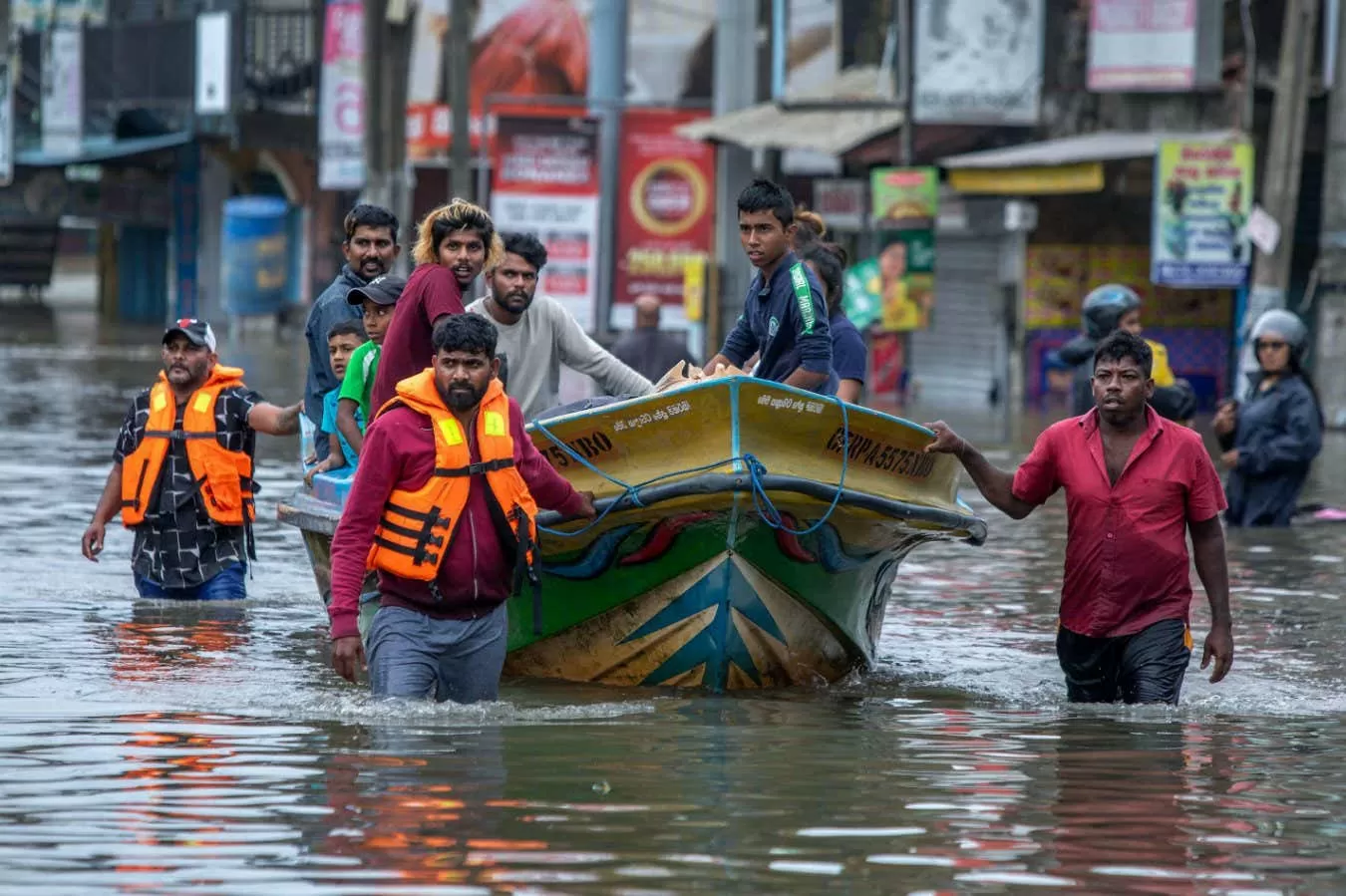
Most coastal risk assessments have underestimated current sea levels, meaning tens of millions of people face losing their homes to rising waters earlier than expected. This alarming fact has been brought to light by recent studies and has raised concerns about the future of coastal communities around the world.
For years, scientists have been warning about the consequences of climate change and its impact on sea levels. However, it seems that their warnings have not been taken seriously enough. The latest research shows that the sea level rise is happening at a much faster rate than previously thought, and this has serious implications for coastal areas.
According to the study published in the journal Nature Communications, the sea level has risen by an average of 3.2 millimeters per year since 1993. This is almost double the rate of the previous century. The study also found that the rate of sea level rise is accelerating, which means that the situation is getting worse with each passing year.
The consequences of this rapid sea level rise are devastating. It is estimated that by 2050, tens of millions of people living in coastal areas will be at risk of losing their homes to rising waters. This is a staggering number and it is a wake-up call for all of us to take immediate action to address this issue.
One of the main reasons for the underestimation of sea level rise is the lack of accurate data. Most coastal risk assessments have been based on outdated information and have not taken into account the latest research on sea level rise. This has led to a false sense of security and has left many communities vulnerable to the effects of rising waters.
Another factor contributing to the underestimation of sea level rise is the failure to consider the impact of extreme weather events. With the increase in frequency and intensity of hurricanes, storms, and floods, coastal areas are facing a higher risk of flooding and erosion. This, combined with the rising sea levels, poses a serious threat to the safety and livelihoods of millions of people living in these areas.
The consequences of not taking immediate action to address this issue are dire. Apart from the loss of homes and displacement of millions of people, there will also be a significant economic impact. Coastal areas are home to many industries such as tourism, fishing, and shipping, which will be severely affected by the rising sea levels. This will not only lead to job losses but also have a ripple effect on the global economy.
So, what can be done to address this issue? The first step is to acknowledge the problem and take it seriously. Governments, businesses, and individuals all have a role to play in mitigating the effects of sea level rise. This includes reducing carbon emissions, investing in renewable energy sources, and implementing sustainable coastal management practices.
In addition, there needs to be a greater focus on gathering accurate data and conducting regular risk assessments. This will help in identifying the areas that are most at risk and taking necessary measures to protect them. Building stronger and more resilient infrastructure, such as sea walls and flood barriers, can also help in mitigating the impact of rising sea levels.
It is also important to involve local communities in the decision-making process. They are the ones who will be directly affected by the consequences of sea level rise and their knowledge and experience can be valuable in finding solutions.
The good news is that it is not too late to take action. By working together and taking immediate steps, we can mitigate the effects of sea level rise and protect our coastal communities. It is time to take this issue seriously and make it a priority on the global agenda.
In conclusion, the recent studies have shown that most coastal risk assessments have underestimated current sea levels, putting millions of people at risk of losing their homes to rising waters. This is a wake-up call for all of us to take immediate action to address this issue. By acknowledging the problem, gathering accurate data, and involving local communities, we can work towards finding sustainable solutions to protect our coastal areas. Let us not wait for the situation to worsen, let us act now to secure a better future for our coastal communities.
