
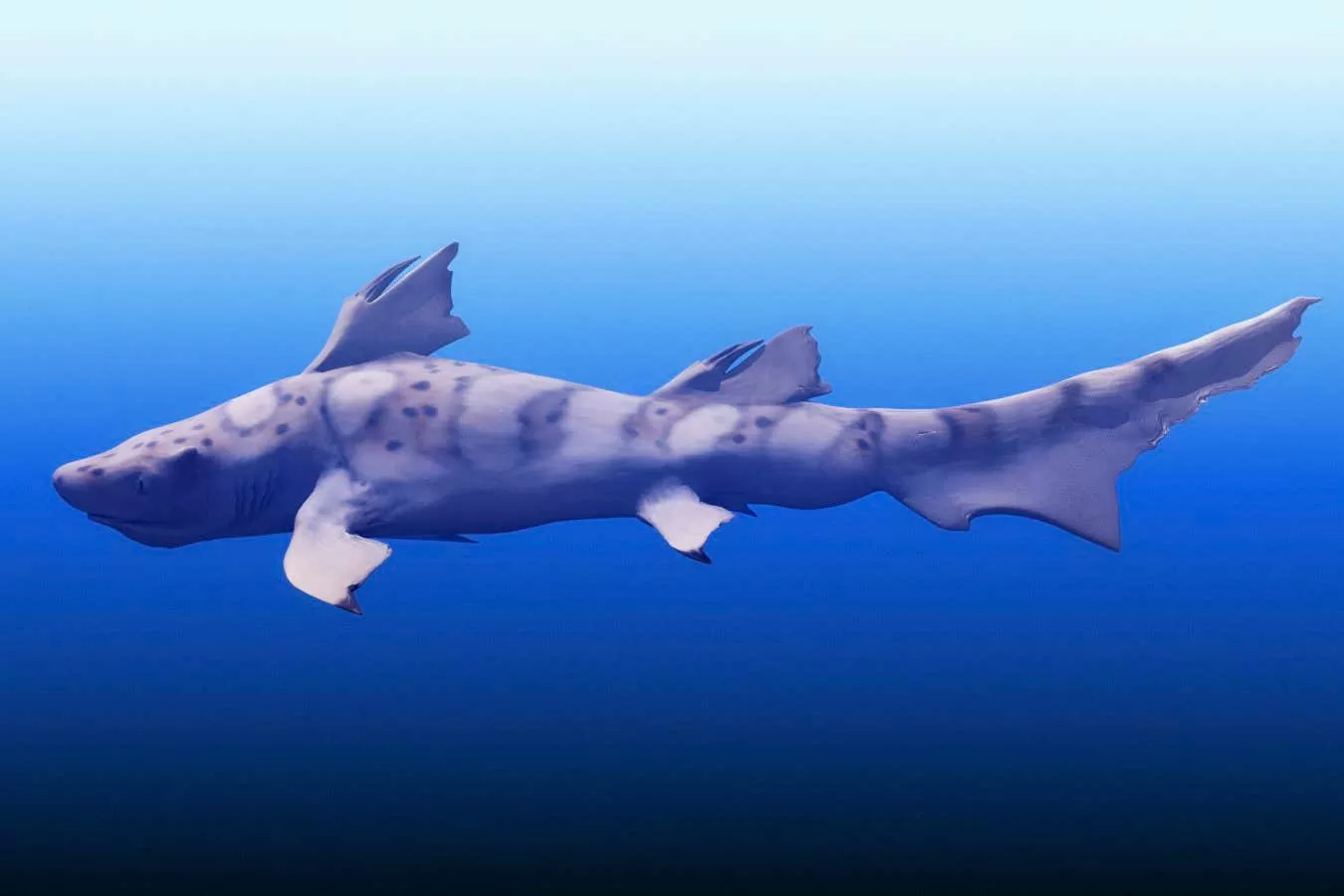
The Earth has gone through several mass extinction events in its long history, with the most devastating one occurring 252 million years ago. Known as the end-Permian extinction, this event wiped out over 80 per cent of marine species, making it the most severe extinction event in the planet’s history. It was a catastrophic event that reshaped the Earth’s ecosystems and left a lasting impact on the planet’s biodiversity. However, despite the immense loss of marine life, scientists have discovered that many ecosystems were able to maintain complex food webs, providing a glimmer of hope in the face of such a devastating event.
The end-Permian extinction, also known as the Great Dying, occurred at the end of the Permian period, which marked the end of the Paleozoic era. It is estimated to have lasted for about 60,000 years, and its effects were felt on both land and sea. The cause of this mass extinction is still debated among scientists, with theories ranging from massive volcanic eruptions to a meteor impact. Regardless of the cause, the end-Permian extinction had a profound effect on the Earth’s biodiversity, with around 96 per cent of all marine species and 70 per cent of land species going extinct.
The loss of such a large number of species had a significant impact on the Earth’s ecosystems. It caused a disruption in the food chain, as many species relied on each other for survival. With the loss of top predators, the balance of the food web was thrown off, leading to further extinctions. It was a domino effect that had a cascading impact on the entire planet.
However, despite the widespread devastation, scientists have discovered that some ecosystems were able to maintain complex food webs, even after the extinction event. This discovery has challenged the long-held belief that mass extinctions lead to a complete collapse of ecosystems. It shows that life has an incredible ability to adapt and recover, even in the face of such catastrophic events.
One example of a complex food web that survived the end-Permian extinction is the marine ecosystem of the South China Sea. Researchers have found evidence of a diverse and interconnected food web in this region, even after the mass extinction. This ecosystem was able to maintain its complexity by adapting to the changing conditions and filling in the gaps left by the extinct species. It shows that even in the face of extreme adversity, life finds a way to thrive.
Another example is the Triassic ecosystem of the Dolomites in Italy. This region was also affected by the end-Permian extinction, but researchers have found evidence of a diverse food web that was able to sustain itself. This ecosystem was able to adapt and evolve, with new species emerging to fill the roles of the extinct ones. It is a testament to the resilience of life and the ability of ecosystems to bounce back from even the most devastating events.
The discovery of these complex food webs in the aftermath of the end-Permian extinction has given scientists a new perspective on mass extinctions. It shows that while these events may cause a significant loss of biodiversity, they do not necessarily lead to the collapse of entire ecosystems. It also highlights the importance of biodiversity in maintaining the health and stability of ecosystems. The more diverse an ecosystem is, the better equipped it is to withstand and recover from such events.
The end-Permian extinction was a dark chapter in the Earth’s history, with devastating consequences for the planet’s biodiversity. However, the discovery of complex food webs in the aftermath of this event has given us hope for the future. It shows that even in the face of such catastrophic events, life finds a way to thrive and adapt. It is a reminder of the resilience and tenacity of our planet and the importance of preserving its delicate balance of biodiversity. Let us learn from the lessons of the past and work towards a sustainable future, where all species can coexist and thrive.
