
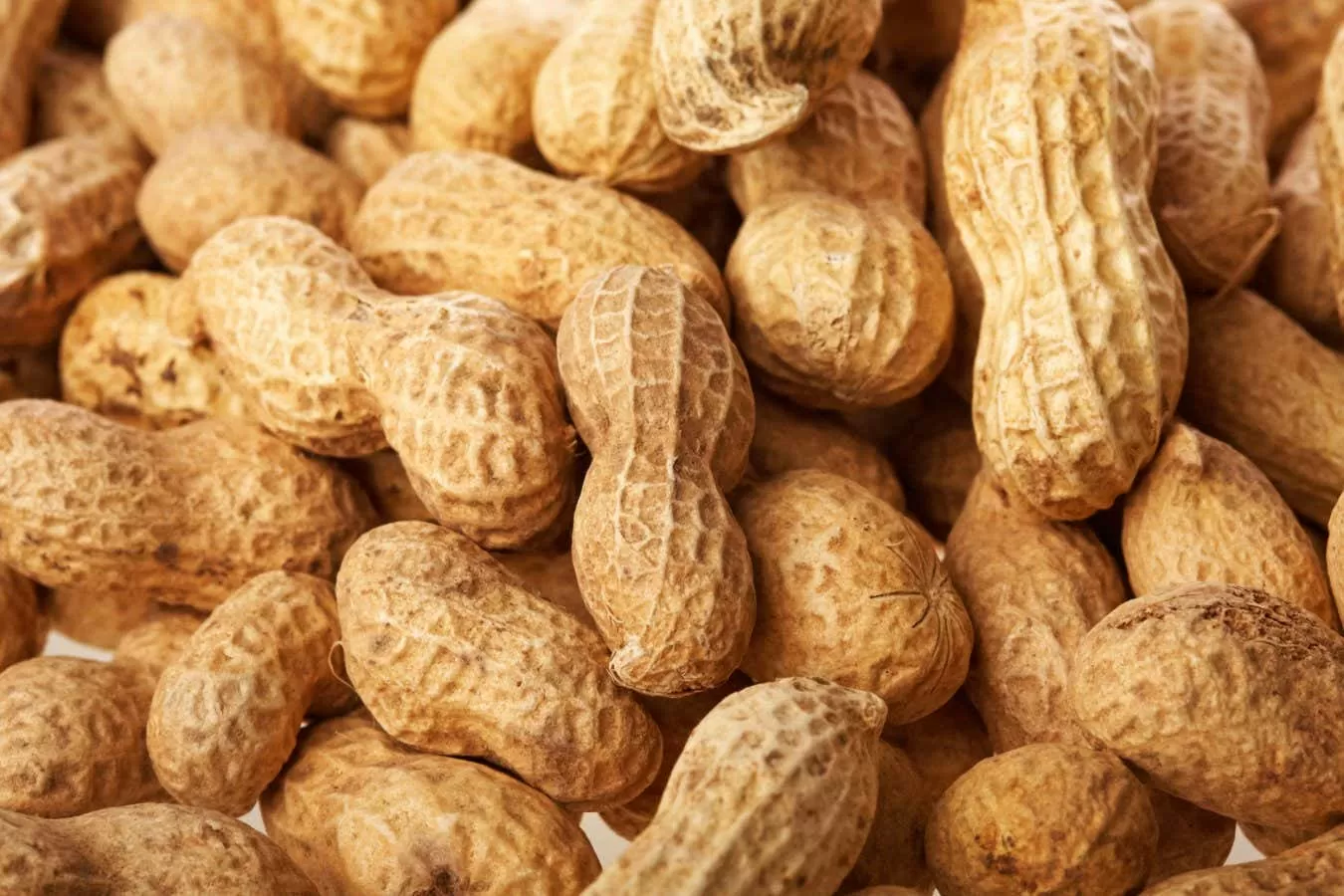
The human body is a complex and fascinating ecosystem, filled with trillions of microorganisms that play a crucial role in our overall health and well-being. While some of these microbes may have a negative reputation, such as the ones that cause infections, there are also many beneficial microbes that live in our body and help us in various ways. Recent research has shown that the microbes that reside in our mouth and gut may have a significant impact on how our body responds to certain allergens, specifically peanuts. This discovery has opened up new possibilities for preventing severe allergic reactions and could potentially save lives.
Peanut allergy is one of the most common food allergies, affecting millions of people worldwide. It is an immune response triggered by the proteins found in peanuts, causing symptoms ranging from mild itching and hives to life-threatening anaphylaxis. While the exact cause of peanut allergy is still unknown, scientists have found a link between the microbes in our body and the severity of the allergic reaction.
Studies have shown that individuals with a diverse and healthy gut microbiome are less likely to develop peanut allergies. The gut microbiome refers to the community of microorganisms that live in our digestive tract, and it plays a crucial role in our immune system. These microbes help in breaking down food, producing essential vitamins, and keeping harmful bacteria at bay. When the balance of these microbes is disrupted, it can lead to various health issues, including allergies.
Similarly, the microbes in our mouth also play a vital role in our immune system. They help in maintaining the health of our teeth and gums, and recent research has shown that they may also influence our body’s response to allergens. A study conducted on mice found that those with a specific type of bacteria in their mouth were less likely to develop peanut allergies. This suggests that the microbes in our mouth may also have a protective effect against allergies.
But how exactly do these microbes influence our body’s response to peanuts? It all comes down to the communication between our immune system and the microbes. Our immune system is constantly interacting with the microbes in our body, and this interaction can either enhance or suppress the immune response. In the case of peanut allergy, certain microbes may trigger a more severe immune response, while others may help in reducing it.
This discovery has opened up new possibilities for preventing severe allergic reactions to peanuts. Researchers are now exploring ways to manipulate the gut and oral microbiome to reduce the risk of developing peanut allergies. One approach is through probiotics, which are live microorganisms that can provide health benefits when consumed. Probiotics have been shown to improve the diversity of the gut microbiome and may help in reducing the risk of allergies. Another approach is through fecal microbiota transplantation, where the gut microbiome of a healthy individual is transferred to someone with a disrupted microbiome. This has shown promising results in treating various health conditions, including allergies.
However, it is essential to note that more research is needed in this area before these methods can be widely used. The human microbiome is complex, and what works for one person may not work for another. Therefore, it is crucial to understand the individual’s microbiome before attempting any interventions. Additionally, these methods should only be used under the guidance of a healthcare professional.
In conclusion, the microbes that live in our mouth and gut play a crucial role in our body’s response to peanuts. They can either enhance or suppress the immune response, which can determine whether an allergic reaction will be mild or life-threatening. This discovery has opened up new possibilities for preventing severe allergic reactions and could potentially save lives. However, more research is needed in this area, and any interventions should be done under the guidance of a healthcare professional. With further advancements in this field, we may be able to harness the power of our microbiome to protect ourselves from allergies and other health conditions.
