
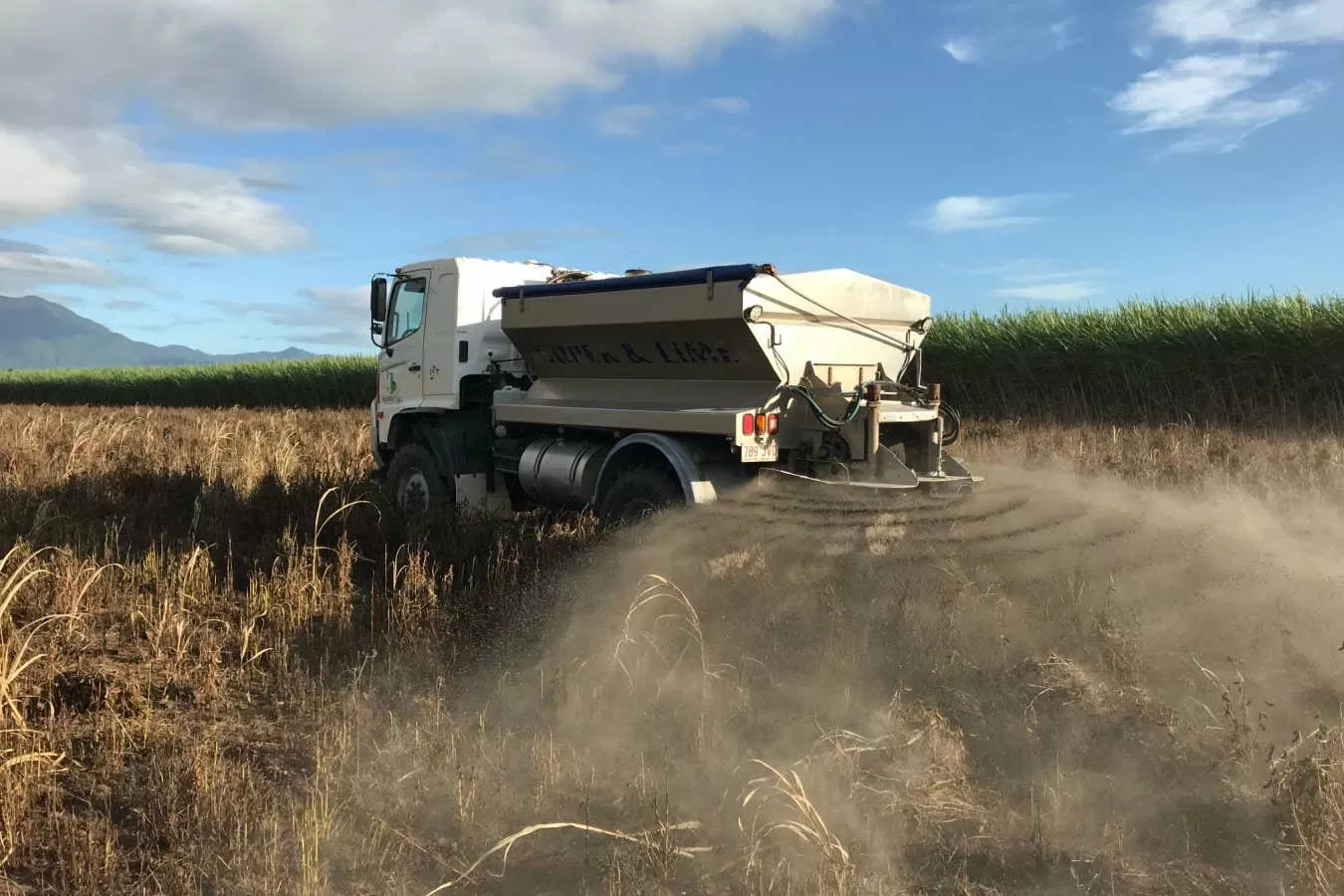
Putting silicate rocks from mine waste on fields has recently been suggested as a potential solution to both improving crop yields and reducing global warming. This may sound like a win-win situation, but some researchers are questioning where all of this rock will come from.
Silicate rocks, such as basalt, are abundant in our planet’s crust and make up a significant portion of mine waste. However, the idea of using these rocks on agricultural fields is relatively new and has yet to be fully explored. Despite the potential benefits, some experts are raising concerns about the practicality and sustainability of this approach.
So, what exactly are the potential benefits of using silicate rocks on fields? Let’s take a closer look.
First and foremost, these rocks contain essential nutrients for plants such as calcium, magnesium, and potassium. By spreading them on fields, these nutrients can be released into the soil over time, providing a long-lasting source of nourishment for crops. This means that farmers can reduce their use of chemical fertilizers, which can be harmful to the environment.
Moreover, the application of silicate rocks can also help combat the effects of global warming. These rocks have the ability to capture carbon dioxide (CO2) from the atmosphere and store it in the soil. This process, known as carbon sequestration, is a natural way of reducing CO2 levels in the atmosphere, which is a major contributor to global warming.
Studies have shown that the use of silicate rocks on fields can have a significant impact on crop yields. In fact, some crops have shown an increase of up to 30% in their yields when using this method. Not only does this mean more food can be produced, but it also means that less land will need to be used for agriculture to meet the growing demand for food.
So, what’s the catch? The concern is that there may not be enough silicate rocks to meet the demand for this method. With the growing global population and the need for more food production, the amount of rock required for this approach could be substantial. This raises the question of whether we have enough mine waste to supply this demand.
While the exact amount of silicate rocks needed is still unclear, researchers are exploring alternative sources such as abandoned quarries and volcanic rocks. Additionally, some experts believe that this method should be seen as a complementary approach rather than a standalone solution. This means that it should be used in conjunction with other initiatives such as sustainable farming practices and reducing food waste.
Furthermore, there are concerns about the sustainability of using silicate rocks on fields. As with any farming practice, there is the potential for unintended consequences. For example, the release of certain minerals from the rocks may have adverse effects on the soil and surrounding ecosystems if not carefully monitored.
To address these concerns, more research is needed to understand the long-term effects of using silicate rocks on fields. This includes studying the impact on soil health, water quality, and biodiversity. By thoroughly understanding the potential risks and benefits, we can ensure that this approach is sustainable and beneficial for both agriculture and the environment.
In conclusion, the idea of using silicate rocks from mine waste on fields to improve crop yields and limit global warming is a promising one. However, it is essential to approach this method with caution and continue to explore alternative sources. By doing so, we can potentially reap the benefits of this approach while ensuring its sustainability for the future. Let’s work together to find innovative and sustainable solutions for a better, greener tomorrow.
