
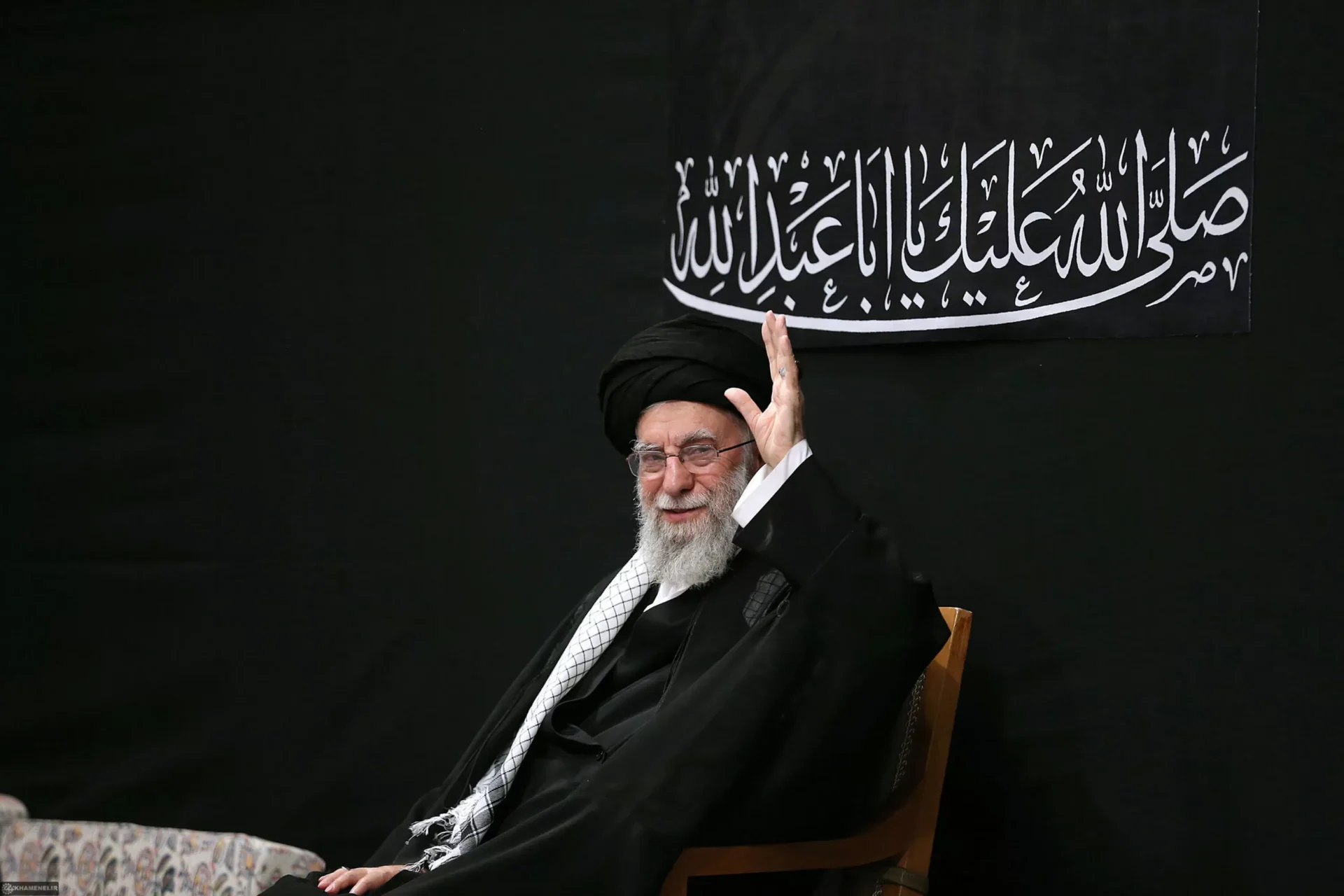
Perspective: Supreme Leader Ayatollah Ali Khamenei’s Legacy of Repression in Iran
Since the Islamic Revolution in 1979, Iran has been ruled by a series of Supreme Leaders, each with their own impact on the country. But none have been as polarizing and controversial as Ayatollah Ali Khamenei, who has been in power for over three decades. Many Iranians have grown up knowing no other leader, and for years, Khamenei has been hailed as a strong and unwavering leader. However, as his reign comes to an end, it is important to reflect on the legacy he leaves behind. And unfortunately, it is a legacy marred by repression and violence.
Khamenei came into power in 1989 after the death of Ayatollah Ruhollah Khomeini, the founder of the Islamic Republic of Iran. He was seen as a loyal follower of Khomeini and was chosen to succeed him as the Supreme Leader. Khamenei promised to continue Khomeini’s policies and uphold the ideals of the Islamic Revolution. However, as the years passed, it became clear that Khamenei’s rule was not as just and fair as he claimed.
One of the most significant aspects of Khamenei’s rule is the widespread repression of dissent. Iran has a history of cracking down on political dissent, but under Khamenei’s rule, it reached new levels. Dissenters, whether they are political activists, journalists, or students, have faced harsh punishment for speaking out against the regime. They have been arrested, tortured, and even killed for daring to challenge the status quo.
Another troubling aspect of Khamenei’s rule is the lack of free and fair elections. While Iran has held presidential and parliamentary elections, they have been heavily controlled by the regime. Many candidates, especially those who are critical of the government, have been disqualified from running, leaving voters with limited choices. Furthermore, the regime has been accused of rigging the elections to ensure their preferred candidates win. This has resulted in a lack of representation for the people and a government that does not truly reflect their views and needs.
The press in Iran has also been subjected to strict censorship under Khamenei’s rule. The regime controls all forms of media and limits what can be reported. Journalists have been imprisoned for reporting on sensitive topics, and many have had their licenses revoked. This has resulted in a lack of transparency and accountability within the government, leading to a culture of fear and mistrust among the people.
Furthermore, Khamenei’s rule has also been marked by economic mismanagement and corruption. Despite being a country rich in natural resources, Iran’s economy has been struggling for years. The regime’s mismanagement and corruption have led to high unemployment, inflation, and a widening gap between the rich and poor. This has caused frustration and anger among the Iranian people, who have been forced to bear the brunt of the regime’s failures.
Khamenei has also been a strong supporter of Iran’s nuclear program, which has caused tensions with the international community. The regime has repeatedly defied international sanctions and has faced criticism for its nuclear ambitions. This has resulted in economic isolation for Iran and has had a negative impact on the lives of ordinary Iranians.
While Khamenei has been hailed as a strong and decisive leader by some, his rule has been marked by a disregard for human rights and a lack of accountability. The Iranian people have been denied basic freedoms and have had to live under a repressive regime for decades. And as Khamenei’s rule comes to an end, the country is facing numerous challenges that will require a new approach and a leader who is willing to listen to the people and address their needs.
Despite the dark legacy of Khamenei’s reign, there is hope for a better future for Iran. The recent protests and demonstrations across the country have shown that the people are no longer willing to accept the status quo. They are demanding change and are bravely speaking out against the regime. It is time for the Iranian government to listen to its people and work towards a more democratic and inclusive society.
In conclusion, Supreme Leader Ayatollah Ali Khamenei has ruled Iran with an iron fist for over three decades, leaving a legacy of repression, violence, and economic mismanagement. His rule has denied the Iranian people their basic rights and has
