
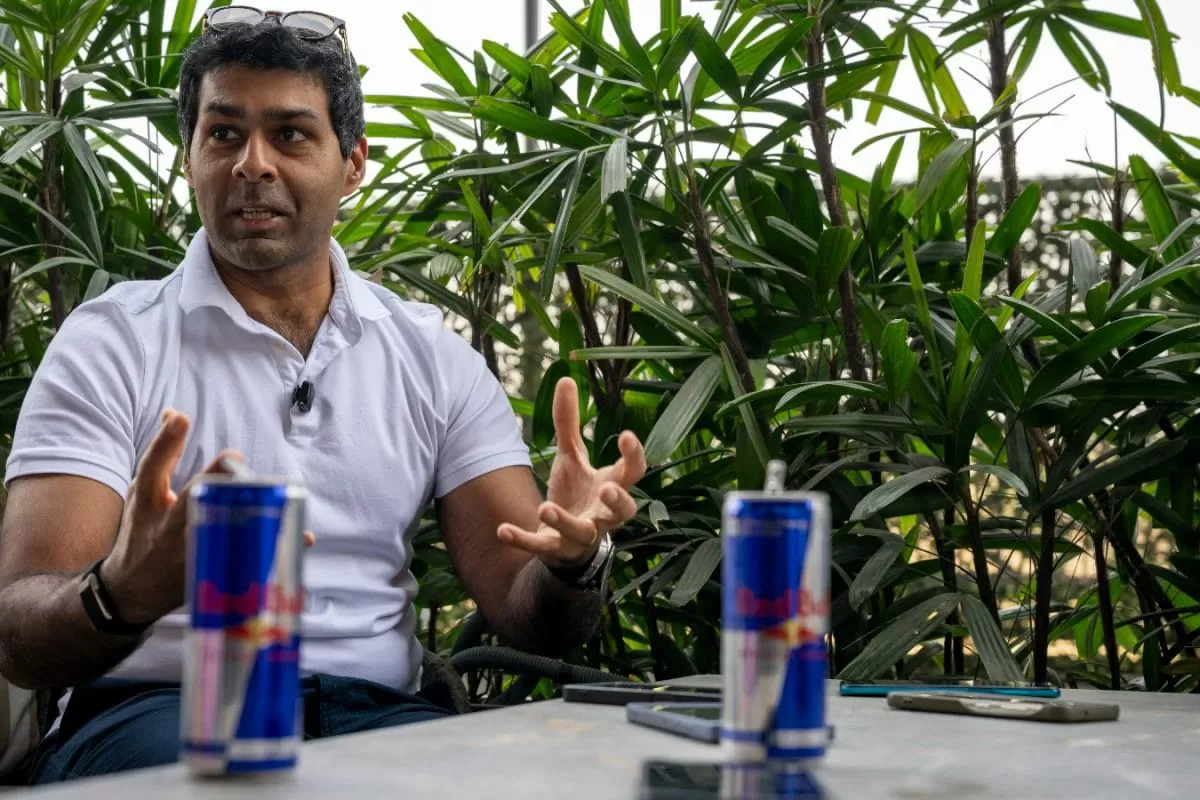
With the ever-evolving landscape of motorsports, the role of engineering has become more crucial than ever. This is the belief of former Formula One driver and current motorsport expert Karun Chandhok. In a recent interview, Chandhok expressed his views on the changing dynamics of the sport and how engineering, rather than star drivers, will be the key to success in the future.
Gone are the days when a driver’s skill and talent alone could determine the outcome of a race. With the introduction of new regulations and the increasing complexity of hybrid technology, the role of engineers has become more prominent. Chandhok believes that it is the engineers who will ultimately set the tone in the world of motorsports.
One of the major changes in the world of motorsports is the shift towards hybrid technology. This has brought about a whole new level of complexity, not just for the drivers, but also for the engineers. With the introduction of hybrid power units, the focus has shifted towards efficient energy management and optimization. This has made the role of engineers more critical, as they are responsible for developing and fine-tuning these complex systems.
Chandhok emphasizes the importance of teamwork and collaboration between engineers and drivers. He believes that the success of a team depends on the synergy between the two, with engineers providing the necessary tools and information for the drivers to perform at their best. This collaboration is even more crucial in the era of hybrid technology, where engineers play a significant role in managing the energy usage of the car, allowing the drivers to focus on their performance on the track.
The introduction of new regulations has also brought about a change in the approach of teams towards the sport. In the past, teams would invest heavily in star drivers to secure victories. However, with the increase in regulations and the focus on sustainability, teams are now investing more in research and development to gain a competitive advantage. This has led to a shift in the balance of power, with engineering becoming the driving force behind success.
Chandhok also believes that the current state of the sport has opened up new opportunities for engineers. With the advancements in technology, there is a growing demand for engineers with a specialized skill set in motorsports. This has given rise to a new breed of engineers who are not just technically sound but also have a deep understanding of the sport. They are the ones who will pave the way for the future of motorsports.
The increasing complexity of hybrid technology has also brought about a change in the way young drivers approach the sport. In the past, drivers would rely solely on their talent and skill to secure a spot in a team. However, with the emphasis now on efficient energy management and optimization, young drivers are now expected to have a basic understanding of engineering principles. This has led to a new generation of drivers who are not just fast behind the wheel but also have a technical understanding of the car.
Chandhok also believes that the sport has become more inclusive with the introduction of new regulations. With teams focusing on sustainability, there is a greater emphasis on diversity and inclusivity. This has opened up opportunities for engineers from diverse backgrounds, making the sport more accessible and inclusive.
In conclusion, the world of motorsports is changing, and with it, the role of engineering has become more crucial than ever. With the introduction of new regulations and the increasing complexity of hybrid technology, engineers have become the driving force behind success. They are the ones who will set the tone for the future of the sport. Chandhok’s insights highlight the importance of collaboration between engineers and drivers, and how this partnership will be the key to achieving success in the world of motorsports. As the sport continues to evolve, it is clear that engineering will play a significant role in shaping its future.
