
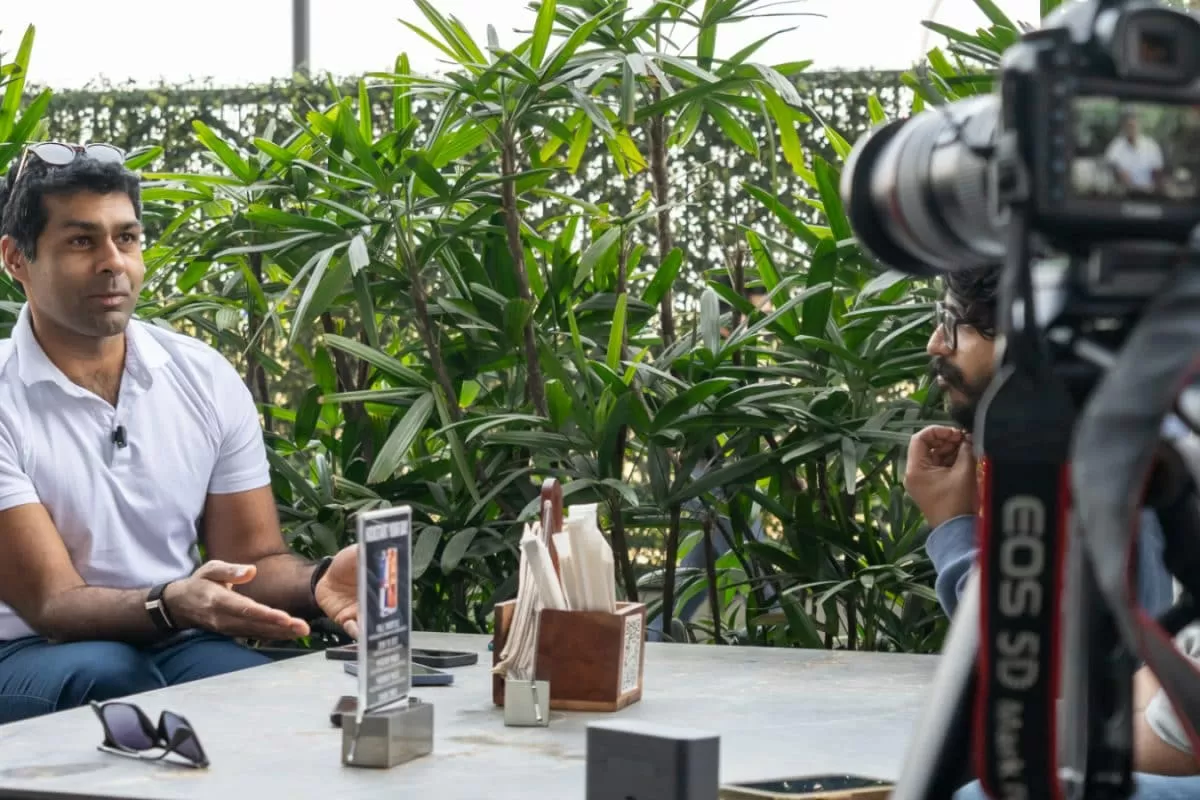
Karun Chandhok Breaks Down India’s Barriers to F1
When one thinks of Formula One, we often picture the iconic races in Monaco, the fierce rivalry between top drivers, and the glamorous lifestyle that comes with being a part of this elite sport. However, behind the glitz and glamour, there lies a complex and structured system that determines who gets to be a part of this exclusive club. Unfortunately, for many talented Indian drivers, this system has been a barrier to their dreams of making it to the Formula One grid. But Karun Chandhok, India’s first and only F1 driver, has shed light on the issues that have been holding India back from having a presence in this prestigious sport, and what needs to change.
Money has always been a crucial factor in F1. With teams spending millions of dollars each year on research, technology, and top-notch drivers, it’s no surprise that having financial backing is a necessity to secure a spot in the sport. Chandhok, who raced for the now-defunct HRT team in 2010, has highlighted the lack of corporate involvement and sponsorship in India as a major hindrance to the country’s progress in F1. “It’s a chicken and egg situation,” he says, explaining that without a driver or team from India in the spotlight, companies are hesitant to invest in the sport, which leads to a lack of opportunities for Indian drivers. And without the financial backing, no driver can reach the heights of F1.
But Chandhok also points out that the problem runs deeper than just financial support. The Indian motorsport industry lacks the infrastructure and organization needed to nurture and develop young talent. Unlike in other countries where there is a clear pathway for drivers to progress from karting to junior levels before reaching F1, India has no such structure. This makes it challenging for young Indian drivers to gain the necessary experience and exposure to move up the ranks and eventually make it to F1.
Another issue that Chandhok has highlighted is the absence of a racing culture in India. Though cricket is often considered a religion in the country, other sports, including motorsport, have struggled to gain a foothold. Unlike in Europe, where aspiring drivers grow up watching F1 races and have easy access to racing circuits and go-karting tracks, Indians have limited exposure to the sport. This lack of interest in motorsport also translates to a lack of government support and funding for the sport, further hindering its growth.
Despite these barriers, Chandhok remains optimistic about India’s potential to make it big in F1. He believes that the country has some talented drivers who can compete with the best in the world if given a chance. However, for this to happen, there must be a more structured and organized approach to nurturing young talent. He suggests that the government should invest in building state-of-the-art facilities and provide financial support to promising drivers, much like countries such as France and the UK have done.
Chandhok also stresses the importance of promoting motorsport as a viable career option for young Indians. He believes that with the right marketing and awareness, more companies will be willing to sponsor drivers and teams, and this will help create a sustainable ecosystem for Indian motorsport to thrive. Additionally, he suggests that India should have its own racing series, similar to the lower categories in Europe, to give young drivers a chance to gain experience and showcase their skills.
Another crucial step for India to make its mark in F1 is to have a race of its own. Chandhok believes that hosting a Formula One Grand Prix in India will not only attract more corporate and government support for the sport but will also generate interest and enthusiasm among the masses. The success of the Indian Grand Prix in 2011, which was held at the Buddh International Circuit, showed that there is a market for F1 in India. Unfortunately, the race was discontinued in 2013 due to financial issues, but Chandhok remains hopeful that a return is possible with the right approach and support.
Karun Chandhok’s insights into the barriers faced by Indian drivers in reaching F1 are eye-opening. But more importantly, his optimism and passion for the sport give hope that these barriers can be overcome. With the right support and structured approach, Indian drivers have the potential to compete at the highest level of motorsport and make the country proud. Let’s hope that in the near future, we
