
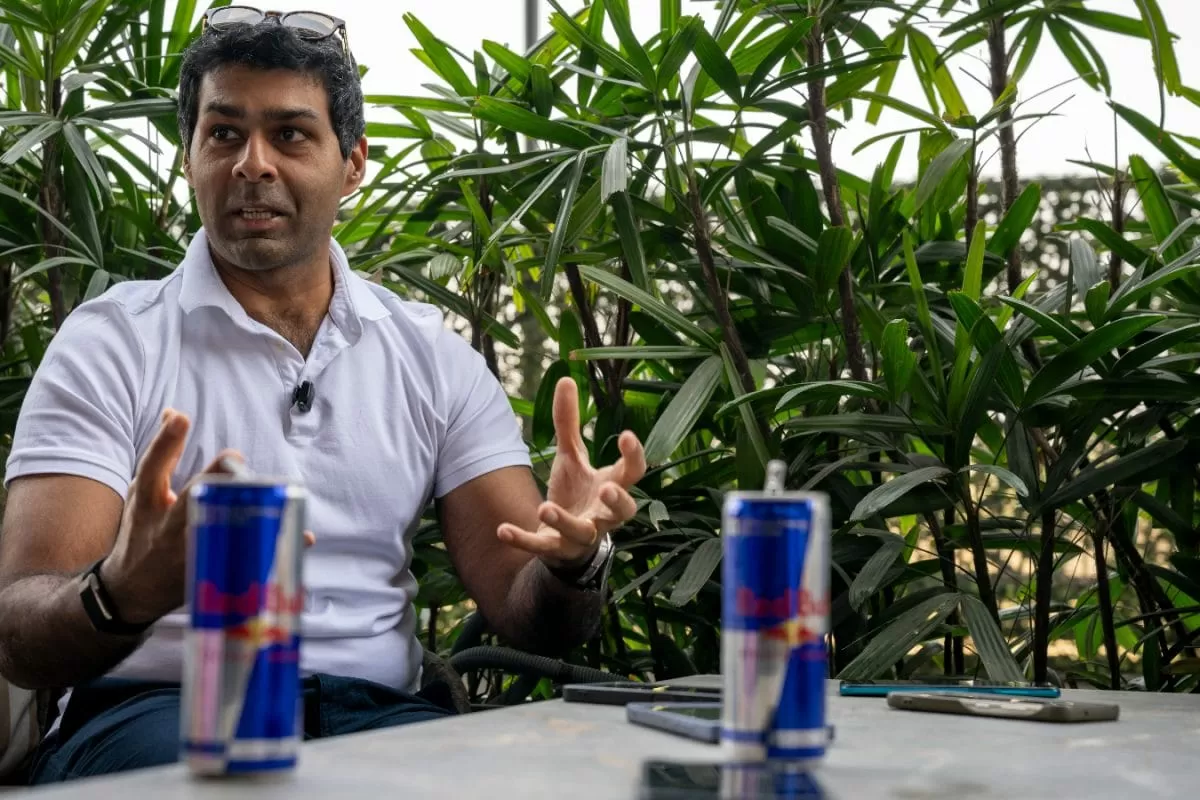
In the world of motorsports, the focus has always been on the star drivers who push the limits and thrill the audience with their skills and speed. However, with the introduction of fresh regulations and the increasing complexity of hybrid technology, the spotlight is now shifting towards the engineering aspect of the sport. And according to renowned Indian racing driver Karun Chandhok, this shift is a positive one that will set the tone for the future of motorsports.
Chandhok, who has made a name for himself in various racing series including Formula One, Formula E, and Le Mans, believes that the engineering aspect of motorsports is often overlooked but is crucial in determining the success of a team. In a recent interview, he stated, “In the past, it was all about the star drivers and their abilities on the track. But now, with the advancements in technology and the introduction of new regulations, it’s the engineering that will make all the difference.”
The world of motorsports is constantly evolving, and with the introduction of hybrid technology, it has become even more complex. This has led to a shift in focus from pure driving skills to a combination of driving and technical expertise. As Chandhok rightly points out, “With the hybrid technology, the engineers have a bigger role to play in the performance of the car. They have to find the perfect balance between the electric and combustion engines, and this requires a high level of skill and precision.”
The new regulations have also brought about a change in the way teams approach the sport. In the past, teams would rely heavily on their star drivers to deliver results. But now, with the introduction of budget caps and restrictions on the number of personnel, teams are forced to focus on the engineering aspect to gain a competitive edge. This has resulted in a more level playing field, where teams with better engineering capabilities have a chance to compete with the bigger and more established teams.
Chandhok’s views are further supported by the recent success of smaller teams in Formula One, such as Racing Point and AlphaTauri. These teams have managed to challenge the dominance of the big players, thanks to their strong engineering capabilities. This has not only made the sport more exciting but has also opened up opportunities for new and upcoming engineers to make a mark in the world of motorsports.
The shift towards engineering is not limited to Formula One. In other racing series such as Formula E and Le Mans, where the focus has always been on sustainability and innovation, engineering has always played a crucial role. And with the increasing popularity of these series, it is evident that the audience is also recognizing the importance of engineering in motorsports.
Chandhok’s own experience in Formula E is a testament to this. As a driver for the Mahindra Racing team, he has seen firsthand the impact of engineering on the performance of the car. He says, “In Formula E, the engineers have to constantly adapt to changing track conditions and battery levels. This requires a high level of technical expertise, and it’s amazing to see how they are able to make split-second decisions that can make or break a race.”
The shift towards engineering in motorsports is not just limited to the track. It has also opened up opportunities for engineers to work in the industry and contribute to the development of new technologies. With the increasing focus on sustainability and the use of alternative fuels, motorsports has become a testing ground for new technologies that can eventually be applied to road cars. This has created a demand for engineers with a passion for motorsports and a drive to push the boundaries of technology.
In conclusion, the shift towards engineering in motorsports is a positive one that will set the tone for the future of the sport. It not only adds a new dimension to the competition but also opens up opportunities for new talent to make a mark in the industry. As Chandhok rightly puts it, “In the end, it’s the engineering that will determine the success of a team. And with the advancements in technology, the possibilities are endless.” So let’s embrace this change and look forward to an exciting future for motorsports.
