
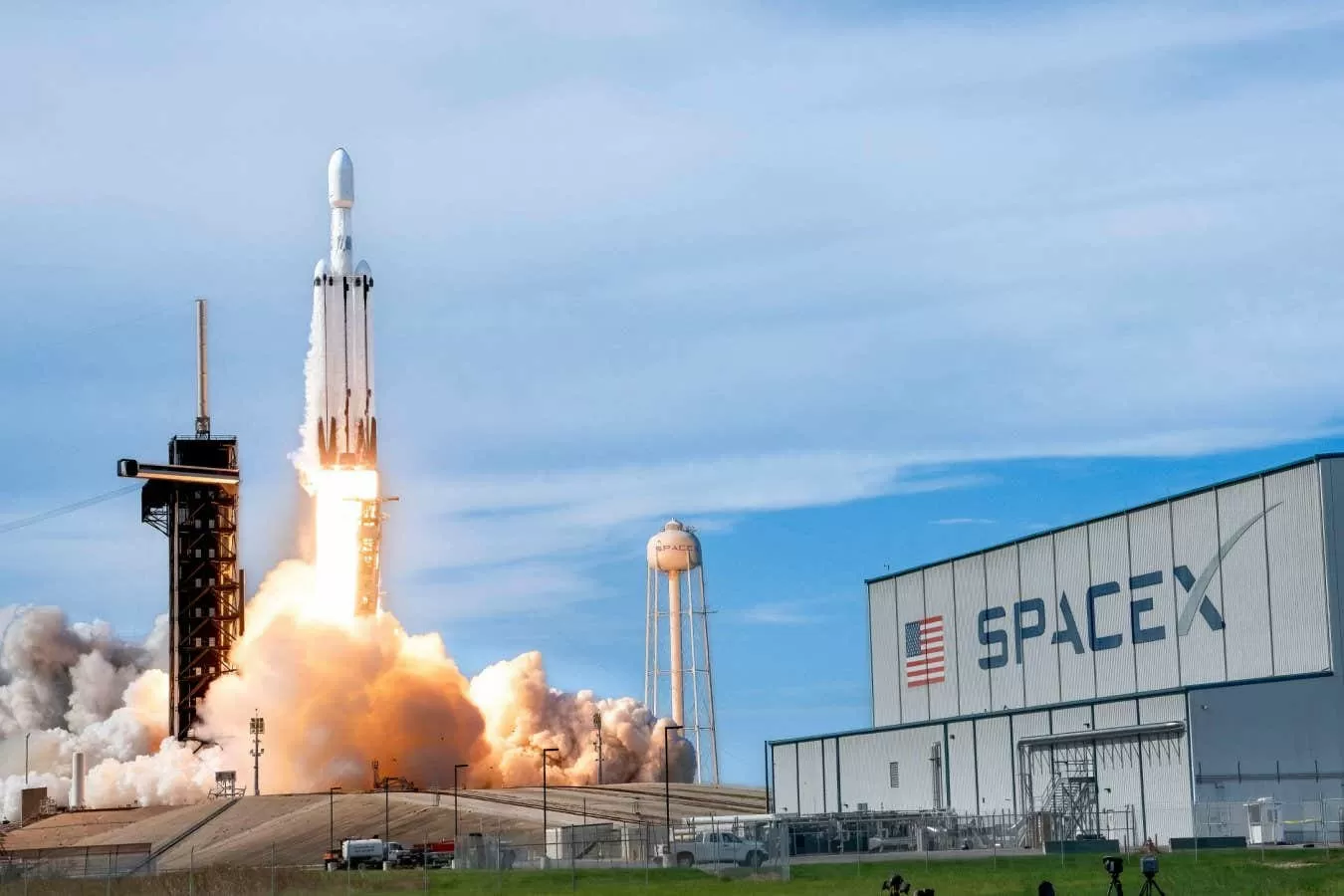
SpaceX, the innovative aerospace company founded by Elon Musk, has been making headlines with its ambitious plans for a gargantuan mega-constellation. This constellation, consisting of thousands of small satellites, is set to revolutionize the way we access and use the internet. However, amidst all the excitement and anticipation, there is a growing concern about the potential environmental impact of this project.
The mega-constellation, named Starlink, aims to provide high-speed internet access to even the most remote corners of the world. With its low Earth orbit satellites, Starlink promises to deliver internet speeds that are comparable to, if not better than, traditional broadband services. This has the potential to bridge the digital divide and bring the benefits of the internet to millions of people who currently do not have access.
But the question that many are asking is, at what cost? The sheer scale of this project is unprecedented, with SpaceX planning to launch up to 12,000 satellites by the mid-2020s. This is more than six times the number of operational satellites currently in orbit. And the company has already received approval from the Federal Communications Commission (FCC) to launch 4,425 satellites, with plans to request permission for an additional 7,500.
The environmental impact of such a massive constellation is still being grappled with. One of the major concerns is the potential for space debris. With so many satellites in orbit, there is a high risk of collisions, which could create a cascade effect and render entire regions of space unusable. This could have serious consequences for future space exploration and could also pose a threat to existing satellites and spacecraft.
Another concern is the impact on astronomical observations. The bright lights of the Starlink satellites could interfere with ground-based telescopes and disrupt scientific research. This has already been observed in the early stages of the project, with astronomers reporting difficulties in capturing clear images due to the presence of the satellites in their field of view.
Furthermore, the launch of thousands of satellites will also have a significant carbon footprint. SpaceX’s rockets use a combination of kerosene and liquid oxygen as fuel, which releases carbon dioxide into the atmosphere. The company has stated that it is working on developing more sustainable rocket fuels, but it is unclear how long it will take to implement these changes.
Despite these concerns, the FCC has not been required to conduct an environmental impact assessment for the Starlink project. This is because the agency’s regulations do not require it for commercial satellite projects. This has raised questions about the potential loopholes in the regulatory framework and the need for more stringent regulations to protect the environment.
However, it is important to note that SpaceX is not the only company launching satellites into space. Other companies, such as OneWeb and Amazon’s Project Kuiper, also have plans for mega-constellations. This means that the environmental impact of these projects needs to be addressed on a broader scale, and not just for SpaceX’s Starlink.
In response to the concerns raised, SpaceX has taken some steps to mitigate the potential environmental impact of its project. The company has stated that it is working closely with astronomers to minimize the impact on astronomical observations. It has also committed to deorbiting its satellites within five years of their launch, which will help reduce the amount of space debris.
In addition, SpaceX has also announced plans to equip its satellites with sunshades to reduce their brightness and make them less visible to ground-based telescopes. The company has also stated that it is exploring the use of more environmentally friendly rocket fuels and is committed to reducing its carbon footprint.
Despite the challenges and concerns, the potential benefits of the Starlink project cannot be ignored. The internet has become an essential part of our daily lives, and providing access to those who currently do not have it could have a significant impact on education, healthcare, and economic opportunities. Furthermore, the advancements in technology and space exploration that could result from this project could have far-reaching benefits for humanity.
In conclusion, the environmental impact of SpaceX’s planned gargantuan mega-constellation is a valid concern that needs to be addressed. While the FCC may not be required to study it, it is crucial for the company to take proactive measures to mitigate any potential negative effects. The success of this project could pave the way for a more connected and technologically advanced world, but it is essential to ensure that it is done in a responsible and sustainable manner. As we embark on this new era of
