
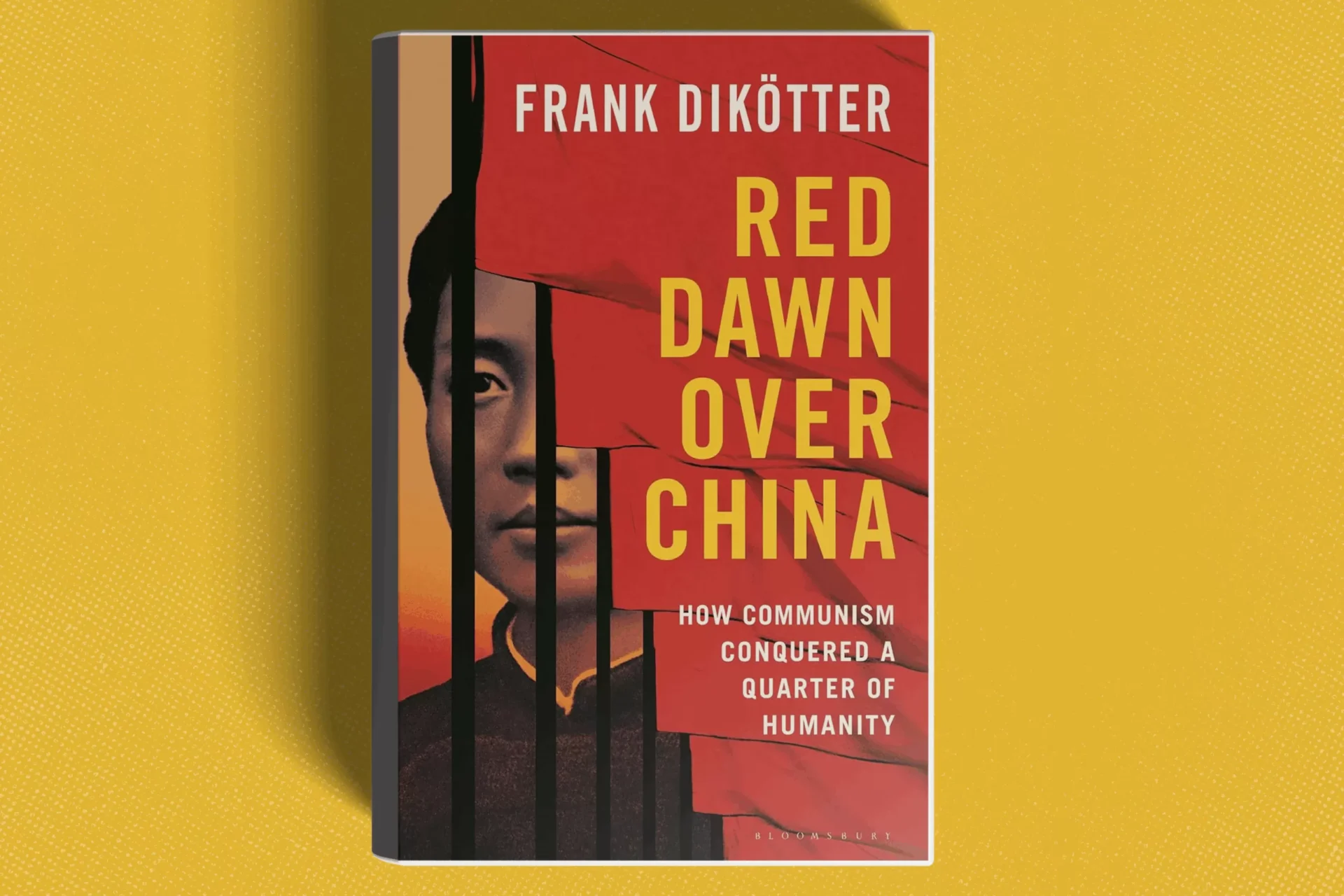
The power of propaganda is undeniable. It has the ability to shape public opinion, influence beliefs, and even sway elections. Political parties are well aware of this and often use propaganda to their advantage. However, when the evidence tells a different story than what is being portrayed by the party’s triumphant propaganda, it is important to take a step back and critically examine the situation.
In recent years, we have seen a rise in the use of propaganda by political parties. With the advent of social media, it has become easier than ever to spread false information and manipulate public perception. But as citizens, it is our responsibility to question and seek the truth, rather than blindly accepting what is being fed to us.
The evidence often tells a different story than what we see in the party’s propaganda. Let’s take a look at some examples.
One of the most common tactics used by political parties is to take credit for the successes of the country while conveniently ignoring their failures. This is a classic case of cherry-picking information to fit a narrative. For instance, a party may boast about the decrease in unemployment rates, but fail to mention the rise in poverty levels. This creates a false sense of accomplishment and distracts from the bigger picture.
Another common tactic is to demonize the opposition. Parties often resort to character assassination and spreading false information about their opponents in order to gain an advantage. This not only creates a toxic political environment but also takes the focus away from important issues that need to be addressed.
In addition, political parties often use fear-mongering to manipulate public opinion. They paint a doomsday scenario if their opponents were to come into power, creating a sense of urgency and desperation among voters. This tactic is not only unethical but also undermines the intelligence of the electorate.
But what does the evidence say? The truth is, no political party is perfect. They all have their flaws and shortcomings. It is important to look beyond the propaganda and examine the policies and actions of each party objectively. This is where the evidence comes into play.
The evidence tells us that no single party can take credit for the success of a country. It is the collective effort of the government, citizens, and various other factors that contribute to a country’s progress. Similarly, no single party can be blamed for all the problems in a country. It is important to hold parties accountable for their actions, but also to acknowledge the complexities of governing a nation.
Furthermore, the evidence shows that demonizing the opposition and spreading false information only creates division and hinders progress. It is important for political parties to engage in healthy debates and discussions, rather than resorting to mudslinging and personal attacks.
Moreover, fear-mongering only serves to create a sense of panic and chaos. It is important for parties to focus on presenting their own policies and plans for the future, rather than instilling fear in the minds of voters.
As citizens, it is our responsibility to critically examine the evidence and make informed decisions. We must not let ourselves be swayed by propaganda and false narratives. It is important to demand transparency and accountability from our leaders, and to hold them responsible for their actions.
In conclusion, the evidence often tells a different story than what we see in the party’s triumphant propaganda. It is important for us to look beyond the surface and seek the truth. As citizens, we must not let ourselves be manipulated by propaganda, but rather use our critical thinking skills to make informed decisions. Let us not be blinded by the glitter of propaganda, but instead, let us seek the truth and hold our leaders accountable for their actions.
