
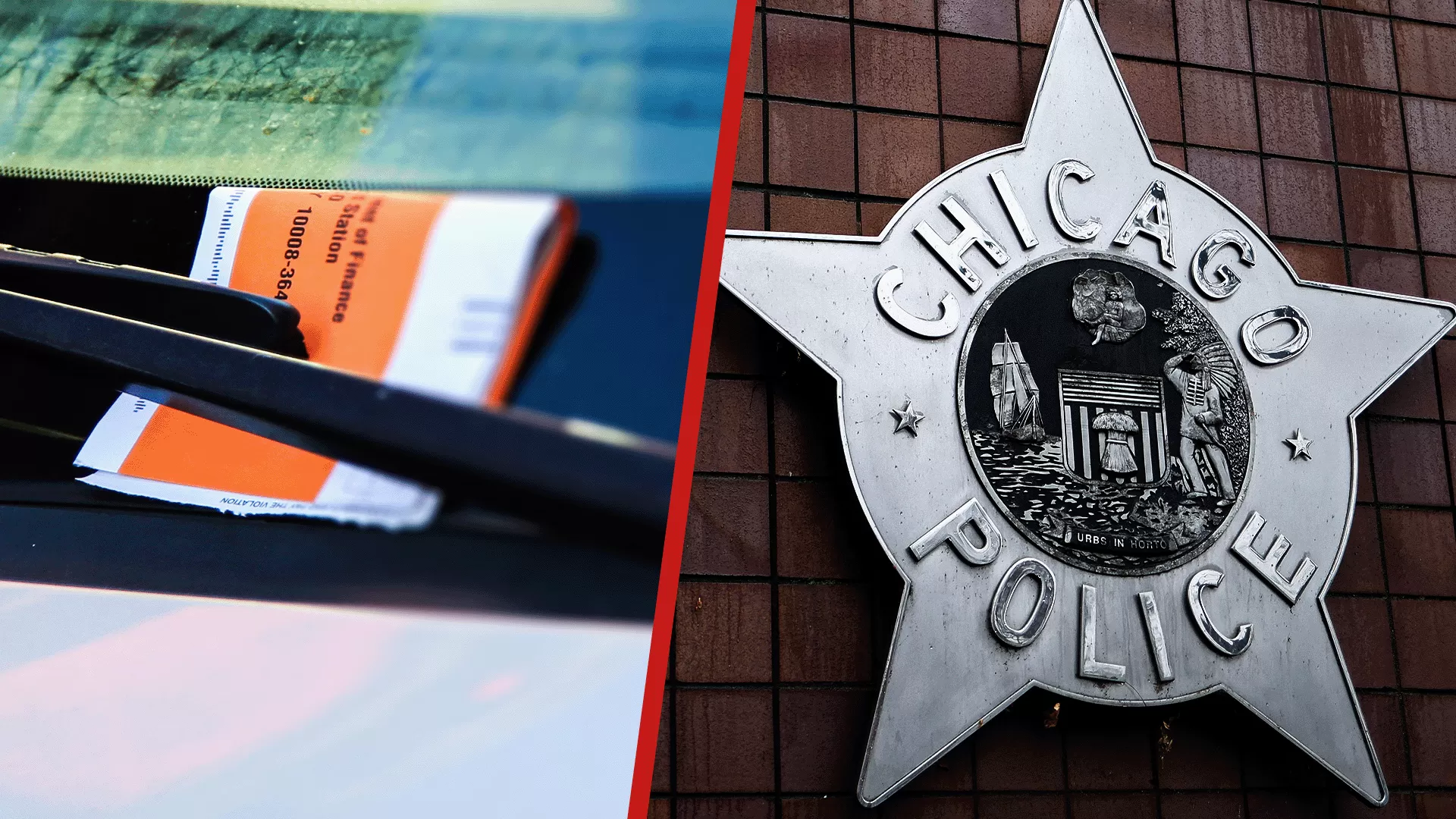
In 2018, a class action lawsuit was filed against the city of Chicago, alleging that the city was unlawfully overcharging its residents for parking and sticker fines. The lawsuit, which was brought on behalf of thousands of Chicagoans, claimed that the city’s parking and sticker fines were excessive and unfair, and that the city was using these fines as a way to generate revenue rather than to promote public safety.
The lawsuit, which was filed in the Circuit Court of Cook County, argued that the city’s parking and sticker fines were in violation of state law, which prohibits municipalities from using fines as a source of revenue. The plaintiffs also claimed that the fines were disproportionately affecting low-income residents, who were struggling to keep up with the high cost of living in the city.
The class action lawsuit was a result of years of frustration and anger among Chicago residents over the city’s parking and sticker fines. Many residents felt that the fines were excessive and unfair, and that the city was using them as a way to fill its coffers rather than to promote public safety. The lawsuit was seen as a way for residents to hold the city accountable for its actions and to seek justice for the overcharging.
The lawsuit also shed light on the city’s parking and sticker fine system, which was found to be flawed and in need of reform. The system, which was put in place to regulate parking and ensure compliance with city regulations, was found to be confusing and inconsistent. Many residents reported receiving fines for minor infractions or for violations they were not aware of, leading to frustration and financial burden.
The class action lawsuit was a wake-up call for the city of Chicago, which was forced to reevaluate its parking and sticker fine system. In response to the lawsuit, the city implemented several changes to make the system more fair and transparent. These changes included a new online portal where residents could easily contest fines, as well as a review process for contested fines to ensure they were issued correctly.
The lawsuit also brought attention to the issue of income inequality in the city. Many residents, especially those from low-income communities, were struggling to keep up with the high cost of living in Chicago. The excessive fines only added to their financial burden, making it difficult for them to make ends meet. The lawsuit highlighted the need for the city to address this issue and to find ways to make living in Chicago more affordable for all residents.
The class action lawsuit was a victory for the residents of Chicago. It not only brought attention to the issue of overcharging for parking and sticker fines, but it also forced the city to make much-needed changes to its system. The lawsuit also served as a reminder to the city that it has a responsibility to its residents to ensure fair and just practices.
In the end, the class action lawsuit was a testament to the power of the people. It showed that when residents come together and stand up for their rights, they can bring about positive change and hold those in power accountable. The lawsuit also served as a reminder to the city that it must always prioritize the well-being of its residents over its own financial gain.
As we move forward, it is important for the city of Chicago to continue to listen to its residents and address their concerns. The class action lawsuit was a step in the right direction, but there is still more work to be done to ensure that the city’s parking and sticker fine system is fair and just for all. Let us hope that this lawsuit serves as a catalyst for positive change and that the city of Chicago will continue to strive towards a more equitable and just society for all its residents.
