
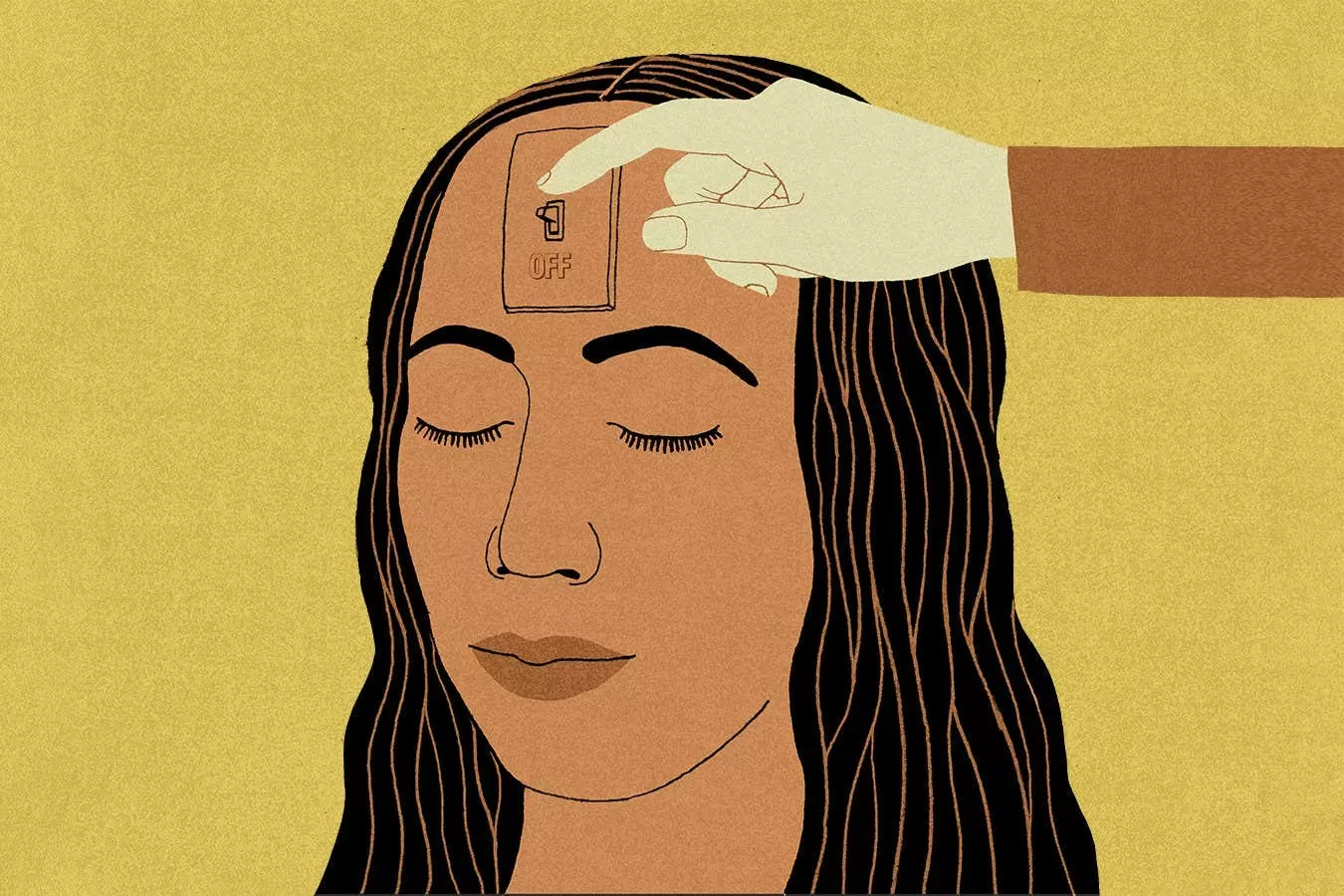
A good night’s sleep is often seen as the key to feeling refreshed and energized for the day ahead. We’ve all heard the recommended 8 hours of sleep, and many of us strive to achieve this magic number every night. However, recent studies have shown that the quality of our sleep is just as important as the quantity. In fact, how we feel about our sleep can have a bigger impact on our mood and energy levels than the actual number of hours we rest. This means that changing our mindset towards sleep can be the key to feeling more energized and productive throughout the day.
So, how can we change our mindset towards sleep to feel more energized? It all starts with understanding the importance of quality sleep and the impact it has on our overall well-being.
First and foremost, it’s important to recognize that sleep is not just a time for our bodies to rest, but it is also a time for our brains to recharge. During sleep, our brains go through different stages of sleep, each with its own purpose. The deep sleep stage is when our bodies repair and regenerate, while the REM (rapid eye movement) stage is when our brains process emotions and memories. Without enough quality sleep, our bodies and minds are unable to fully recharge, leading to feelings of grogginess and fatigue.
Another important factor to consider is our internal clock, also known as our circadian rhythm. This is our body’s natural sleep-wake cycle, which is regulated by hormones and influenced by external factors such as light and temperature. When our circadian rhythm is disrupted, it can affect the quality of our sleep, making it harder for us to feel rested and energized. This is why it’s important to establish a consistent sleep schedule and create a sleep-friendly environment to support our natural sleep-wake cycle.
Now that we understand the importance of quality sleep, let’s explore some practical tips to help us change our mindset towards sleep and feel more energized.
1. Create a bedtime routine
Just like how we have a morning routine to start our day, it’s important to have a bedtime routine to wind down and prepare our bodies for sleep. This can include activities such as reading, listening to calming music, or practicing relaxation techniques like deep breathing or meditation. By creating a consistent bedtime routine, we signal to our bodies that it’s time to relax and prepare for sleep.
2. Avoid screens before bedtime
The blue light emitted from electronic devices can disrupt our circadian rhythm and make it harder for us to fall asleep. It’s best to avoid screens at least an hour before bedtime and instead opt for activities that promote relaxation.
3. Make your bedroom a sleep sanctuary
Our bedroom environment plays a crucial role in the quality of our sleep. Make sure your bedroom is dark, quiet, and cool to promote a restful sleep. Invest in comfortable bedding and pillows, and remove any distractions such as TVs or work-related items.
4. Practice gratitude
It’s easy to get caught up in the stress and busyness of our daily lives, but taking a moment to reflect on the things we are grateful for can have a positive impact on our mindset. Before going to bed, take a few minutes to write down three things you are grateful for. This can help shift our focus from any negative thoughts to a more positive mindset, promoting better sleep.
5. Don’t stress about sleep
Ironically, stressing about not getting enough sleep can actually make it harder for us to fall asleep. Instead of worrying about the number of hours we sleep, focus on creating a healthy sleep routine and environment. Trust that our bodies know how much rest they need and allow ourselves to relax and drift off to sleep.
By changing our mindset towards sleep and prioritizing quality over quantity, we can feel more energized and productive throughout the day. Remember, it’s not just about the number of hours we sleep, but the quality of our sleep that truly matters. So, let’s make sleep a priority and reap the benefits of a well-rested mind and body. Sweet dreams!
