
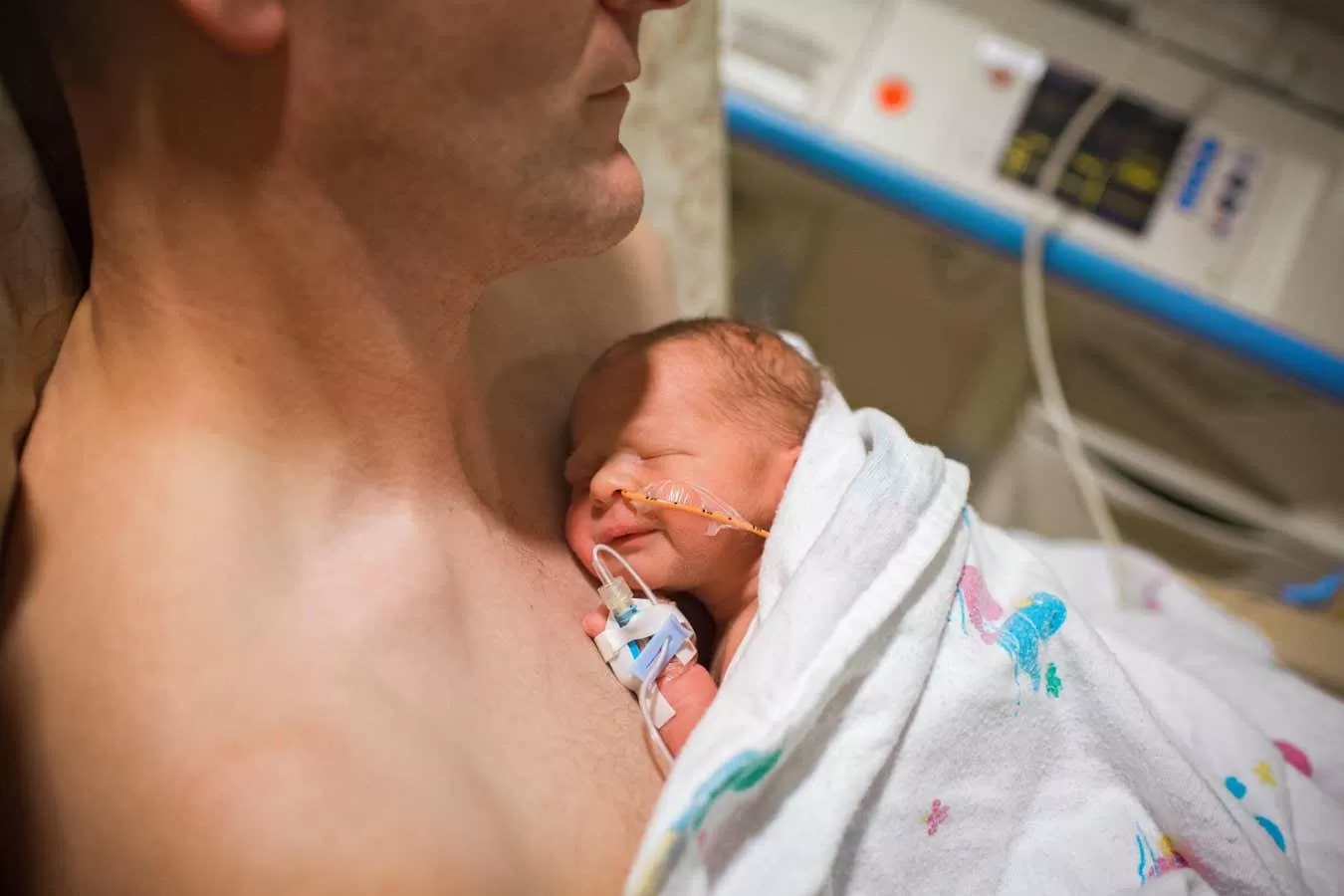
Postpartum depression is a condition that affects many new mothers, causing them to feel overwhelmed, anxious, and even sad after giving birth. It is a well-known fact that women can experience postpartum depression, but what many people are unaware of is that men can also suffer from this condition. According to recent studies, around 40 per cent of people are unaware that men can experience postpartum depression too. This lack of awareness is not only concerning but also needs to change.
Traditionally, postpartum depression has been viewed as a condition that only affects women. However, research has shown that men can also experience this type of depression. In fact, a study conducted by the American Psychological Association found that one in ten new fathers experience symptoms of postpartum depression. This is a significant number that cannot be ignored. It is time to break the stigma surrounding postpartum depression in men and raise awareness about this important issue.
One of the main reasons why men are often overlooked when it comes to postpartum depression is because of societal expectations. Men are expected to be strong, stoic, and providers for their families. As a result, they may feel pressure to hide their emotions and not seek help when they are struggling. This can lead to feelings of isolation and shame, making it even harder for men to open up about their struggles with postpartum depression.
Another factor contributing to the lack of awareness about postpartum depression in men is the focus on the mother and baby after childbirth. While it is important to prioritize the health and well-being of the mother and baby, it is equally important to recognize the impact of a new baby on the father. With the focus solely on the mother, fathers may feel neglected and left out, leading to feelings of depression and anxiety.
It is also essential to understand that postpartum depression in men can manifest differently than in women. While women may experience more emotional symptoms, such as crying and feelings of sadness, men may exhibit more physical symptoms, such as headaches, stomach aches, and changes in appetite. This difference in symptoms can make it even harder for men to recognize that they are experiencing postpartum depression and seek help.
The consequences of not addressing postpartum depression in men can be severe. It can not only affect the father’s mental health but also impact the entire family dynamic. A father’s depression can lead to strained relationships with their partner and children, and in some cases, even affect the child’s development. It is crucial to recognize that postpartum depression in men is a real and valid issue that needs to be addressed.
So, what can be done to change the current situation? The first step is to increase awareness about postpartum depression in men. This can be achieved through education and open discussions about the condition. Men need to be made aware that it is okay to seek help and that they are not alone in their struggles. It is also essential for healthcare professionals to be trained in identifying and treating postpartum depression in men.
Furthermore, there should be more support and resources available for men who are experiencing postpartum depression. This can include support groups specifically for fathers, online resources, and counseling services. By providing a safe and understanding environment for men to seek help, we can break the stigma surrounding postpartum depression in men and encourage more men to come forward and seek treatment.
It is also vital for society to change its perception of masculinity. Men should not be expected to hide their emotions and suffer in silence. It takes strength and courage to seek help and address mental health issues. By promoting a more open and accepting attitude towards men’s mental health, we can create a more supportive environment for fathers struggling with postpartum depression.
In conclusion, it is time to change the narrative surrounding postpartum depression in men. It is a real and valid condition that affects many new fathers. By increasing awareness, providing support and resources, and promoting a more open attitude towards men’s mental health, we can break the stigma and help fathers struggling with postpartum depression. Let us come together and make a positive change for the well-being of families and society as a whole.
