
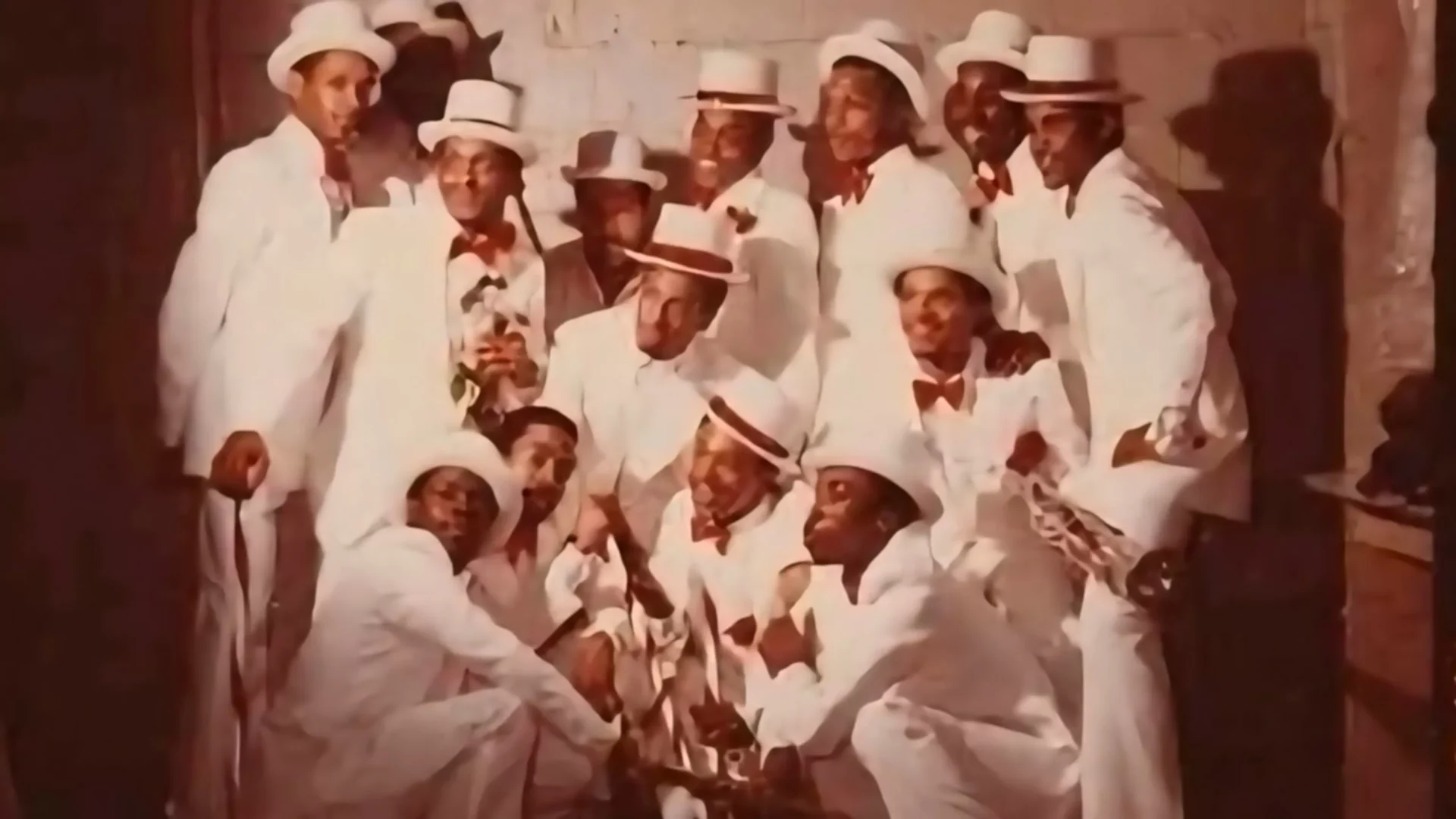
As we enter the month of February, we not only celebrate the legacy of African Americans, but also the vibrant culture and music that they have brought to our society. One unique aspect of that culture is go-go music, and what better place to honor it than the city where it was born – Washington, D.C. In honor of Black History Month, “Good Morning America” is shining a spotlight on this iconic sound that has been the city’s soundtrack for decades.
Go-go music originated in the 1970s in the nation’s capital, and has since then become an integral part of the city’s identity. It is a fusion of different types of music, such as funk, R&B, hip-hop and afrobeat, creating a distinct sound that is unique to D.C. It was created by the legendary Chuck Brown, who is often referred to as the “Godfather of Go-Go.” From its humble beginnings in local clubs and parks, go-go music has evolved into a cultural phenomenon that has spread beyond the city limits.
Despite its popularity, go-go music has not always received the recognition it deserves. In the 1980s and 1990s, it faced challenges and opposition, with some labeling it as a disruptive and even dangerous genre. However, the go-go community stood strong and persevered, with artists and fans alike dedicated to preserving and spreading this important cultural heritage. And now, in 2021, go-go is experiencing a revival, with a new generation of artists carrying on the legacy and introducing it to a wider audience.
One of those artists is Derek “D-Money” Bailey, a young go-go musician and producer who grew up in the heart of D.C. “Go-go music has always been a part of my life,” he says. “It has a special energy and rhythm that you can’t find anywhere else.”
Derek, along with other local artists, has been pushing the boundaries of go-go music, blending it with other genres and creating a new wave of go-go that is gaining popularity not only in D.C., but also across the country. He believes that go-go is more than just music, it is a culture and a way of life. “Go-go is about community and bringing people together. It’s about spreading love and positivity through music,” he explains.
And that is exactly what go-go has been doing for decades in D.C. It has become a unifying force, bringing people from different backgrounds together to celebrate and dance to the infectious beats. It has also served as a platform for social and political commentary, with artists using their music to address issues and raise awareness about important causes.
As part of the “GMA” celebration of Black History Month, the show will be featuring some of the city’s top go-go artists, such as Rare Essence, EU, and Backyard Band. These artists have been part of the go-go scene for years and are excited to share their music and stories with a wider audience. “Being able to showcase our music on a national platform is a dream come true for us,” says Andre “Whiteboy” Johnson, lead singer of Rare Essence. “We want the world to experience the energy and essence of go-go music.”
In addition to the music, the “GMA” segment will also highlight the various landmarks in the city that are significant to the go-go community, such as the historic Howard Theatre, the Chuck Brown Memorial Park, and the mural dedicated to the “Godfather of Go-Go.” These places serve as a reminder of the rich history and impact of go-go music on the city.
So, as we celebrate Black History Month, let us also take a moment to honor and appreciate the vibrant and resilient go-go culture that has made Washington, D.C. its home. It continues to inspire and unite people of all backgrounds, and its influence can be felt not only in D.C., but in the world of music as a whole. Let us all join “Good Morning America” in celebrating this iconic sound and its role in shaping the city’s soundtrack.
