
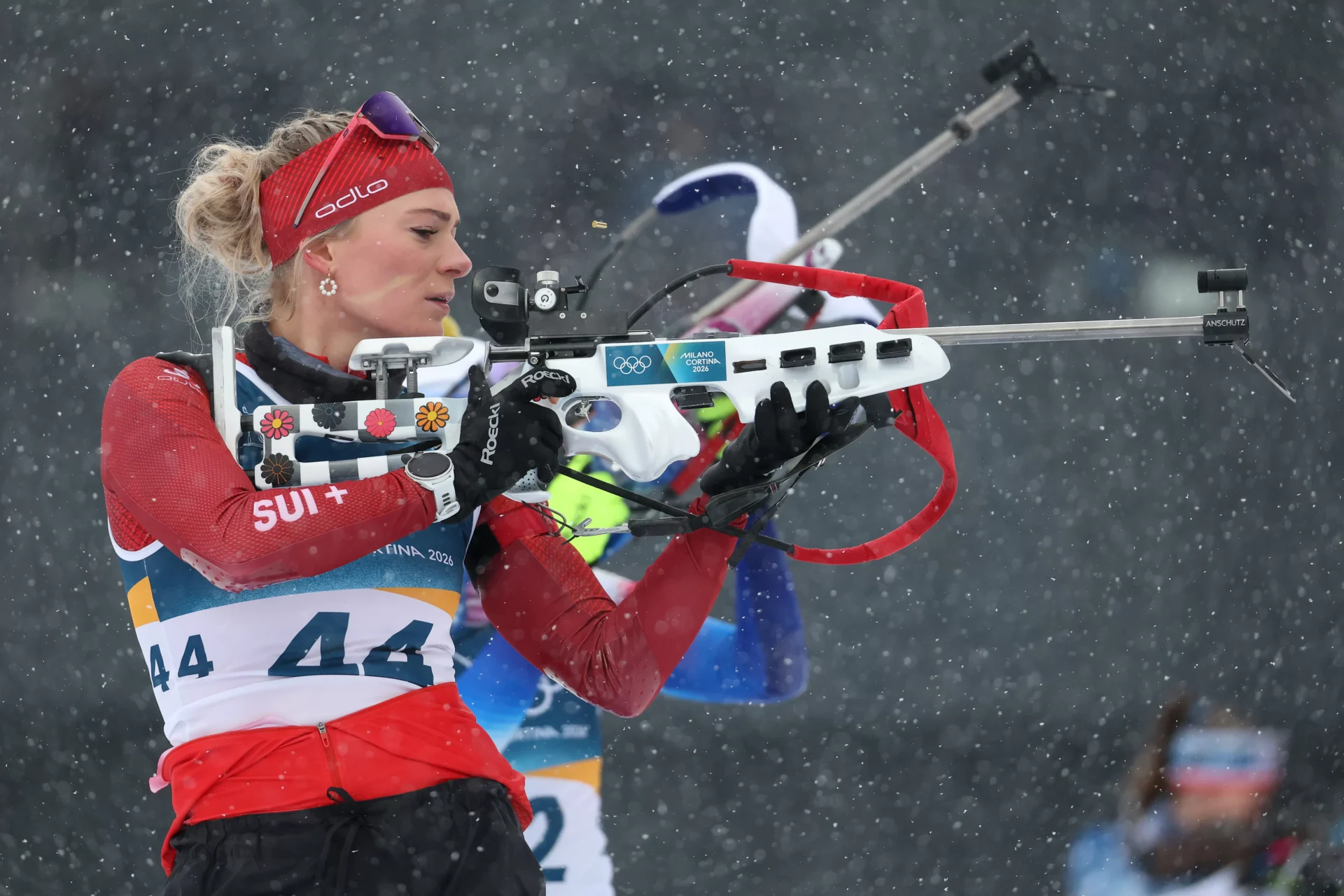
Have you ever wondered how the Vikings, a fierce and feared group of Scandinavian warriors, trained for military domination? While their era may be long gone, their military training techniques have served as inspiration for one of the most unique and challenging sports in the modern Winter Olympics – the biathlon.
The biathlon, a combination of cross-country skiing and rifle shooting, made its debut at the 1960 Winter Olympics in Squaw Valley. This unusual sport has roots dating back to the 18th century, when Norwegian military units would compete in competitions that involved skiing and shooting. Let’s dive into the history of the biathlon and discover how its origins can be traced back to the fearsome Vikings.
The Viking era, spanning from the 8th to the 11th century, was a time of great conquest and expansion for the Scandinavian people. They were known for their fierce warrior spirit and their mastery of warfare. But what many people don’t know is that the Vikings were also skilled hunters and expert skiers.
In fact, skiing played a crucial role in their daily lives and was not just a means of transportation, but also a way to train for battle. The Vikings would have to navigate harsh and snowy terrain during their raids and expeditions, making skiing an essential skill for survival. This also provided them with an advantage over their enemies, as they were able to move quietly and swiftly through the snowy landscape.
The Vikings also developed a unique weapon known as the “Skolbólts,” a javelin with a long, pointed head that could be thrown with great force while skiing. This weapon allowed the Vikings to attack their enemies from a distance, further showcasing their skill and agility on skis.
The Scandinavian military training techniques were not solely focused on skiing, as marksmanship and archery were also highly valued skills. The Vikings would often engage in mock battles and competitions that involved shooting at targets with precision and accuracy. This combination of skiing and marksmanship would later serve as the foundation for the biathlon.
Fast forward to the 18th century, where the Norwegian military would hold competitions that combined skiing and shooting – the precursor to the biathlon. These competitions were not only a form of entertainment, but also practical training for the soldiers. It tested their endurance, strength, and accuracy, all essential qualities for a successful military force.
As time passed, the biathlon continued to evolve and gain popularity among Scandinavians. In 1924, the first biathlon club was established in Norway, and by the 1940s, the sport had spread to other Scandinavian countries.
But it wasn’t until the 1960 Winter Olympics in Squaw Valley that the biathlon was officially recognized as a sport. The inaugural biathlon event consisted of a 20km individual race, with four shooting rounds interspersed between five laps of skiing. Norwegian athlete Klas Lestander secured the first Olympic gold medal in biathlon, further cementing the sport’s Scandinavian roots.
Since its Olympic debut, the biathlon has undergone many changes and advancements. The original course, which was a 20km individual race, has been broken up into shorter distances such as the 10km sprint and the 12.5km pursuit. The shooting range has also evolved, with athletes now using rifles with precision sights rather than the old-fashioned muskets.
Despite these changes, the biathlon has stayed true to its roots by continuing to test athletes’ skiing abilities and shooting accuracy. It remains one of the most challenging sports in the Winter Olympics, requiring intense physical and mental stamina.
In conclusion, the history of the biathlon is deeply intertwined with the military training techniques of the Vikings. Their skill and mastery of skiing and marksmanship laid the foundation for this unique and thrilling sport. From its humble beginnings in 18th century Norway to its official recognition at the 1960 Winter Olympics, the biathlon has come a long way and continues to captivate audiences worldwide. So, the next time you watch this exhilarating sport, remember its Viking roots and the legacy they have left behind.
