
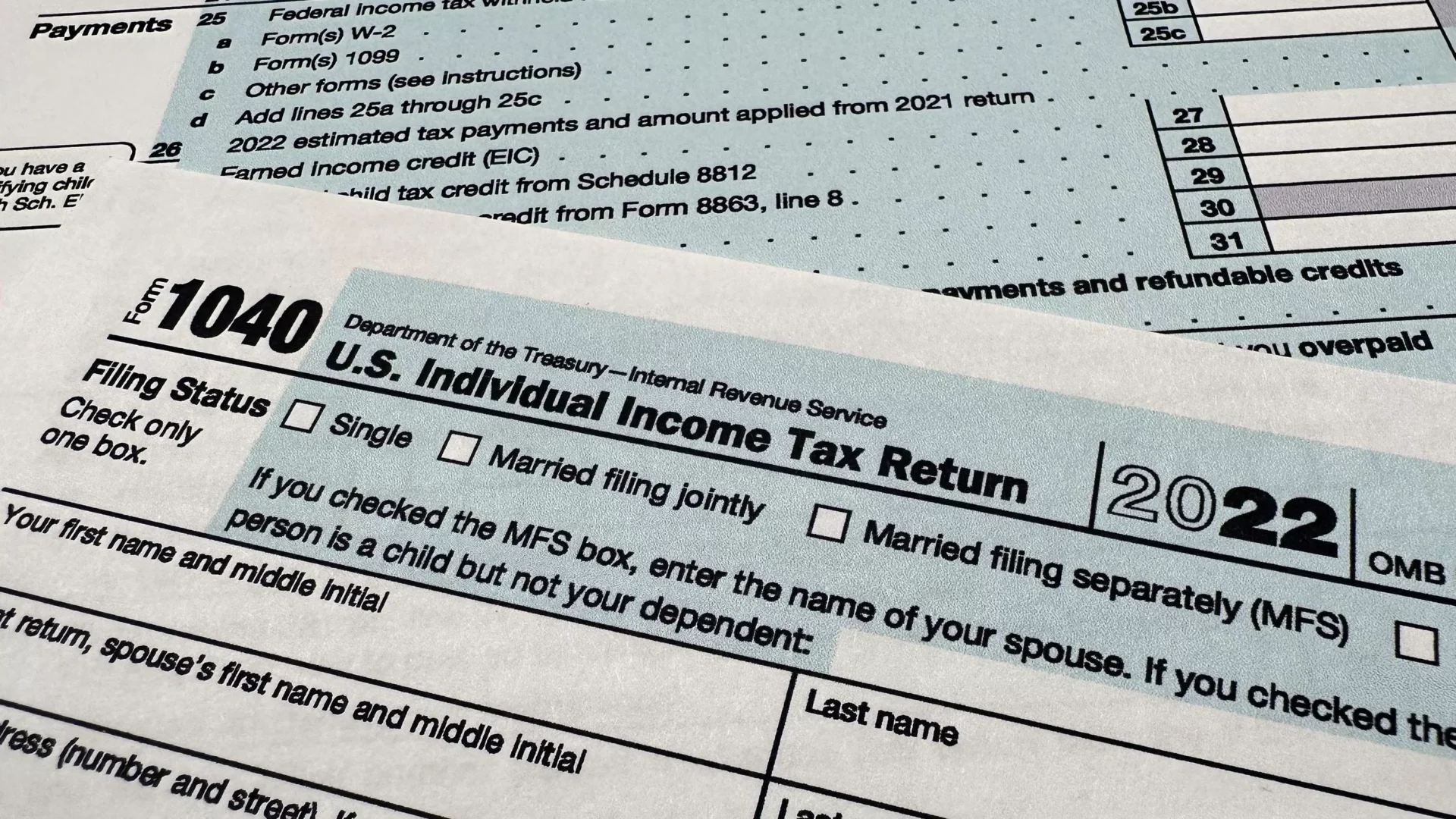
It’s that time of year again – tax season is underway and it’s time to start thinking about filing your tax return with the IRS. With the deadline of April 15 quickly approaching, it’s important to start gathering all of your necessary documents and information to ensure a smooth and timely filing process. While the thought of taxes may not be the most exciting, it’s a necessary task that can have a big impact on your financial well-being. So let’s dive into the world of taxes and make sure you’re ready to tackle this season head on.
The first step in the tax filing process is to gather all of your important documents. This includes things like your W-2 forms, 1099 forms, and any other documents related to your income. You will also need to have documentation of any deductions or expenses that you plan to claim on your return. It’s important to have all of these documents organized and readily available to make the filing process as smooth as possible.
Next, it’s time to decide how you want to file your taxes. You have a few options – you can file online using tax software, hire a professional tax preparer, or file by mail. Filing online has become increasingly popular in recent years, with many tax software programs offering user-friendly interfaces and step-by-step guidance. If you have a simple tax situation, this may be the best option for you. However, if you have a more complex tax situation, it may be worth investing in the help of a professional tax preparer. They can ensure that you are taking advantage of all possible deductions and credits and can help you navigate any confusing tax laws.
One thing to keep in mind when filing your taxes is to be aware of any changes to tax laws and deductions. The tax code is constantly evolving and it’s important to stay up-to-date to make sure you are taking advantage of any new deductions or credits. This year, there have been some changes to the standard deduction and tax brackets, so it’s important to double check to see how these changes may affect your return.
Another important aspect of tax season is staying organized and keeping track of deadlines. As mentioned earlier, the deadline for filing your tax return is April 15. However, if you need more time, you can file for an extension which will give you until October 15 to file your return. Keep in mind that an extension only applies to the filing of your return, not the payment of any taxes owed. If you think you may owe taxes, it’s best to estimate the amount and make a payment by the April 15 deadline to avoid any potential penalties or interest.
Filing your taxes may seem like a daunting task, but it’s important to remember the benefits of doing so. Not only does it fulfill your civic duty, but it can also have a positive impact on your financial situation. If you are owed a refund, filing your taxes promptly can put that money back in your pocket sooner. On the other hand, if you owe taxes, the sooner you file, the more time you have to come up with a payment plan if needed.
It’s also worth mentioning the potential consequences of not filing your taxes on time. If you miss the April 15 deadline without filing for an extension, you may face penalties and interest on any taxes owed. Additionally, if you don’t file at all, the IRS can take legal action to collect the taxes you owe. So it’s best to avoid these potential consequences by filing your taxes on time.
In conclusion, tax season may not be the most exciting time of year, but it’s an important task that shouldn’t be ignored. With the deadline of April 15 quickly approaching, it’s time to gather your documents, decide on the best way to file, and stay organized to ensure a smooth and timely filing process. By being proactive and staying informed of any changes to tax laws, you can make sure that you are taking full advantage of any deductions and credits available to you. So let’s tackle tax season with a positive attitude and take control of our financial future.
