
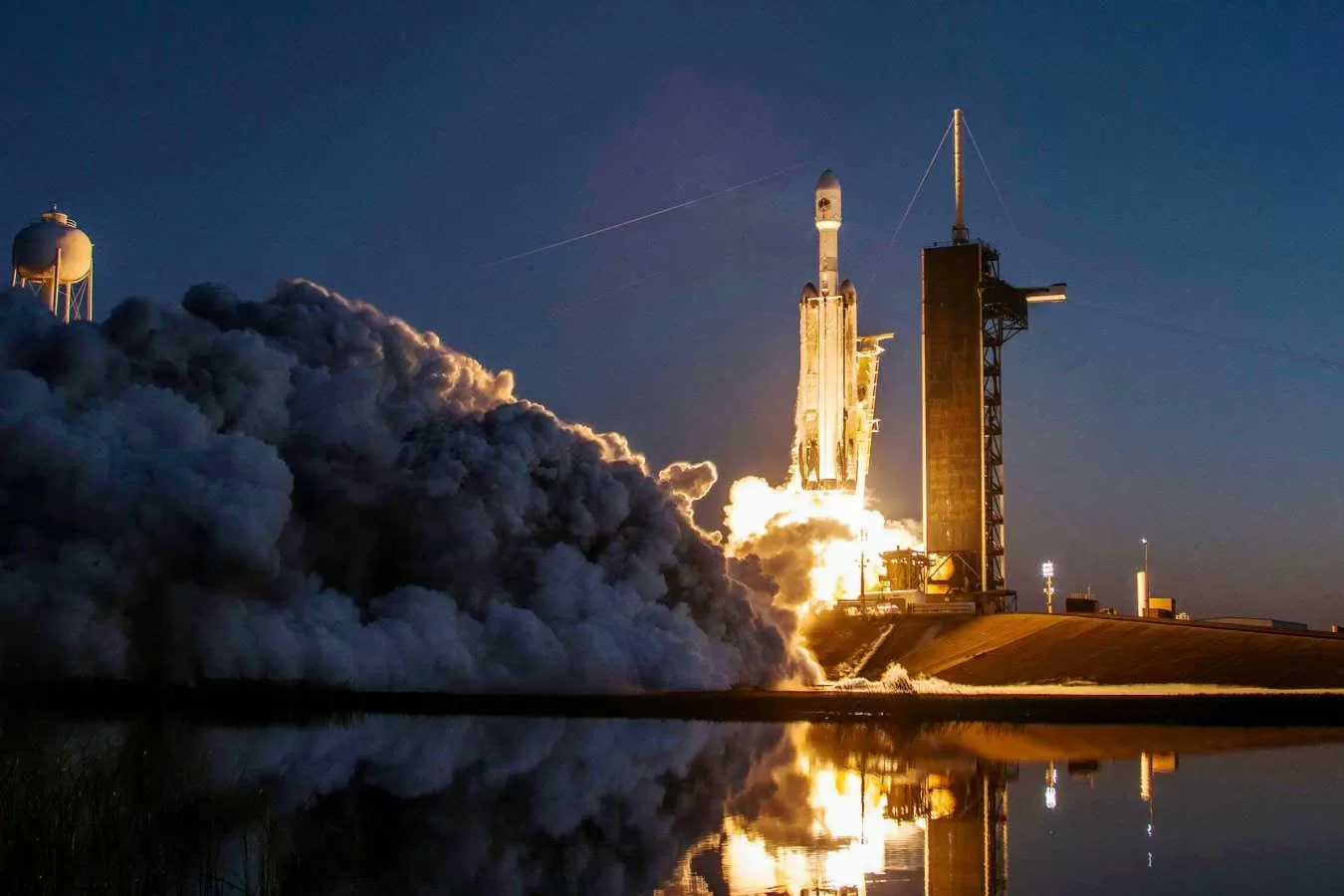
SpaceX, the aerospace company founded by Elon Musk, has recently made headlines with its ambitious proposal to deploy a large number of data centers in orbit. The purpose of these data centers would be to supply power for artificial intelligence (AI) systems, which are becoming increasingly prevalent in our society. While this proposal may seem like a science fiction dream come true, some experts are questioning the seriousness of SpaceX’s plan.
In a recent interview, SpaceX’s president and chief operating officer, Gwynne Shotwell, stated that the company is considering launching an “astronomical” number of data centers into orbit. This would involve sending thousands of satellites into space, each equipped with powerful computing capabilities to support AI applications. The idea behind this proposal is to reduce the latency and increase the speed of data processing for AI systems, which are currently limited by the distance between Earth and satellites in orbit.
On the surface, this proposal seems like a revolutionary step towards the future of AI technology. However, some experts are skeptical about the feasibility of such a plan. One of the main concerns is the cost involved in launching and maintaining thousands of satellites in orbit. The cost of launching a single satellite into space can range from tens of millions to hundreds of millions of dollars. Therefore, the cost of launching and maintaining thousands of satellites would be astronomical, to say the least.
Moreover, the idea of having data centers in orbit raises questions about the security and reliability of such a system. Satellites are vulnerable to space debris and other hazards, which could potentially disrupt the functioning of the data centers. This could have serious consequences for the AI systems that rely on these data centers for their operations. Additionally, the risk of cyber attacks on these data centers cannot be ignored, as they would be exposed to a whole new level of threats in space.
Another concern is the impact of such a massive deployment of satellites on the environment. The space around Earth is already cluttered with debris from previous space missions, and adding thousands of new satellites could exacerbate the problem. This could have a detrimental effect on future space missions and could also pose a threat to existing satellites and spacecraft.
Despite these valid concerns, SpaceX remains optimistic about its proposal. The company has a track record of achieving seemingly impossible feats, such as successfully launching and landing reusable rockets. SpaceX’s CEO, Elon Musk, has also expressed his enthusiasm for the project, stating that it would be a “game-changer” for AI technology.
Furthermore, SpaceX has already made significant progress in its satellite internet project, Starlink. The company has launched over 1,500 satellites into orbit and plans to have a total of 12,000 satellites in operation by 2027. This project aims to provide high-speed internet access to remote areas of the world, and the success of Starlink has given SpaceX the confidence to pursue its ambitious data center proposal.
In conclusion, while SpaceX’s proposal to deploy data centers in orbit may seem far-fetched, it cannot be dismissed entirely. The company has a proven track record of pushing the boundaries of space technology and has the resources and expertise to make this proposal a reality. However, it is essential to address the valid concerns raised by experts and ensure that the potential risks and consequences are thoroughly evaluated before moving forward with the project. If successful, this project could revolutionize the way we use AI technology and pave the way for a more connected and advanced future.
